Recording, Mixing and Mastering
Published on 16/03/2026


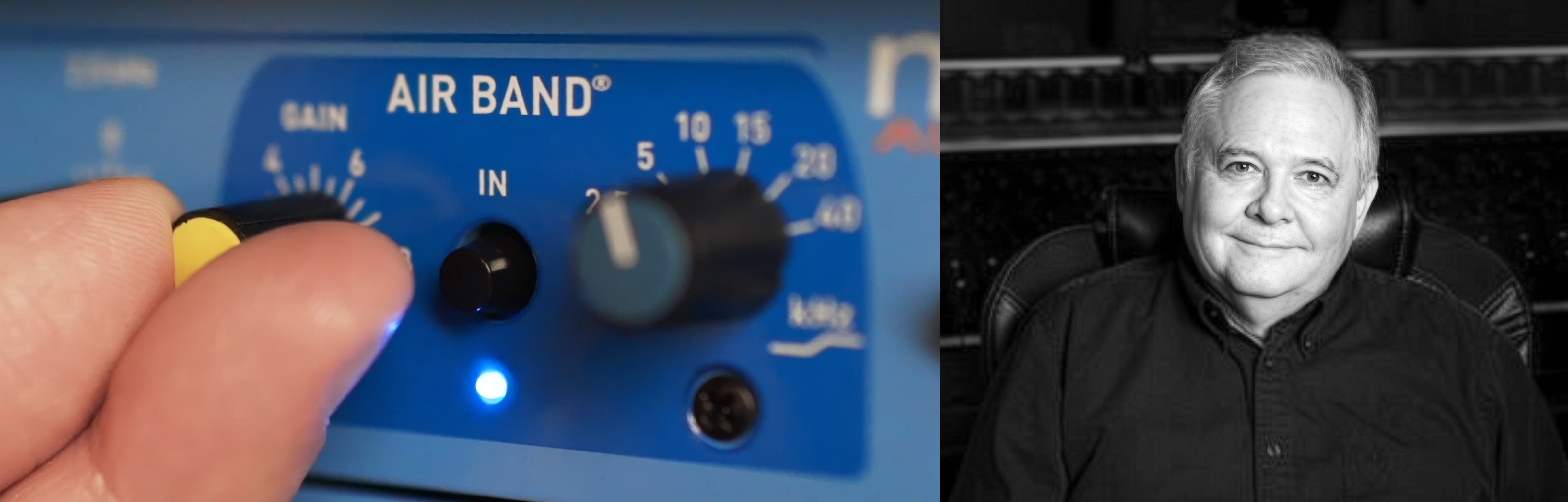
Maag Audio 's Air Band is one of the most recognizable equalization technologies in the world of professional audio. Prized in tracking, mixing and mastering, this particular equalization on the very high frequencies has become synonymous with air, openness and natural brilliance. In this in-depth look back at the history of the Air Band and see why Maag Audio products continue to be a leading choice for recording studios, sound engineers, and producers.
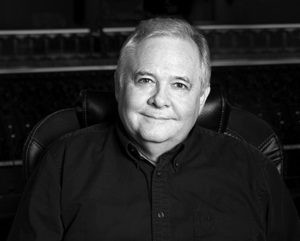
The history of the Air Band is directly linked to Cliff Maag, recording engineer and designer who introduced this circuitry in the early 1990s. According to Maag Audio's official documentation, Cliff Maag is the inventor of the NTI EQ3 and Nightpro PreQ3 / EQ3D models, devices in which the famous AIR BAND® first appeared.
From the beginning, the idea was not simply to "turn up the treble," but to create an EQ curve capable of adding detail and spaciousness in a musical way, without hardening the sound. It is this philosophy that still makes the Air Band a sought-after sonic signature in vocal productions, stereo mixes, and professional mastering chains.
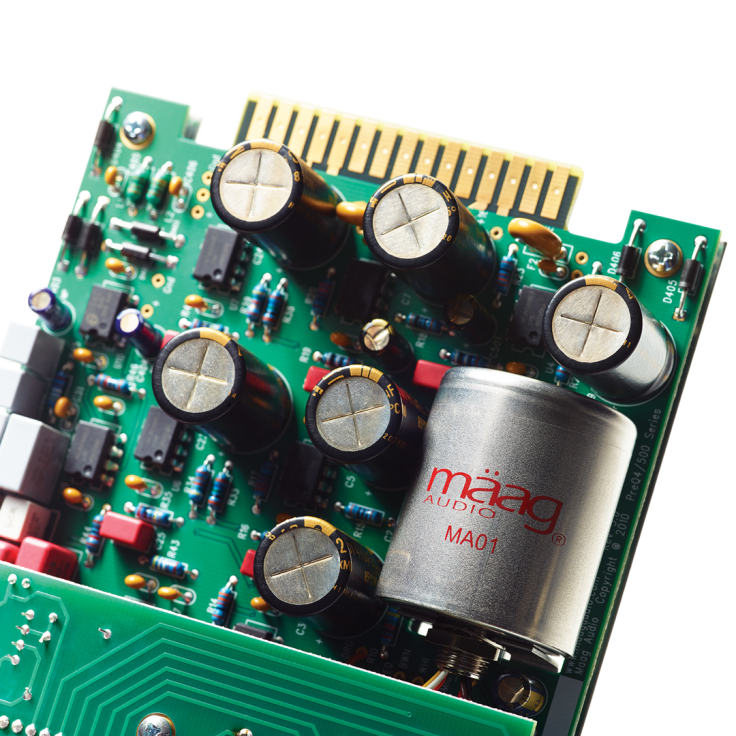
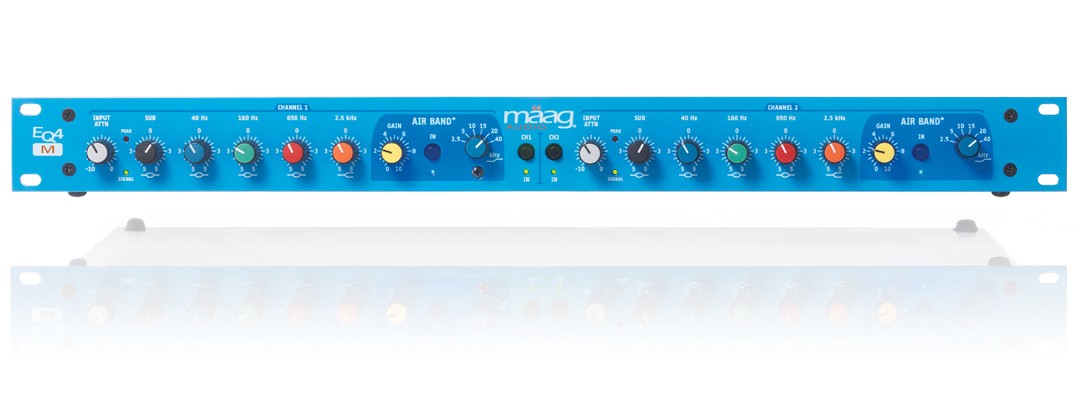
With the birth of Maag Audio, Air Band technology entered a new evolutionary phase. In fact, the manufacturer indicates that the Maag Audio EQ4M, considered the flagship model for mastering, is based on theoriginal 6-band NTI EQ3 equalizer. This step consolidated the legacy of the initial design, bringing it into a modern range of hardware and plug-ins that are highly valued in the studio environment.
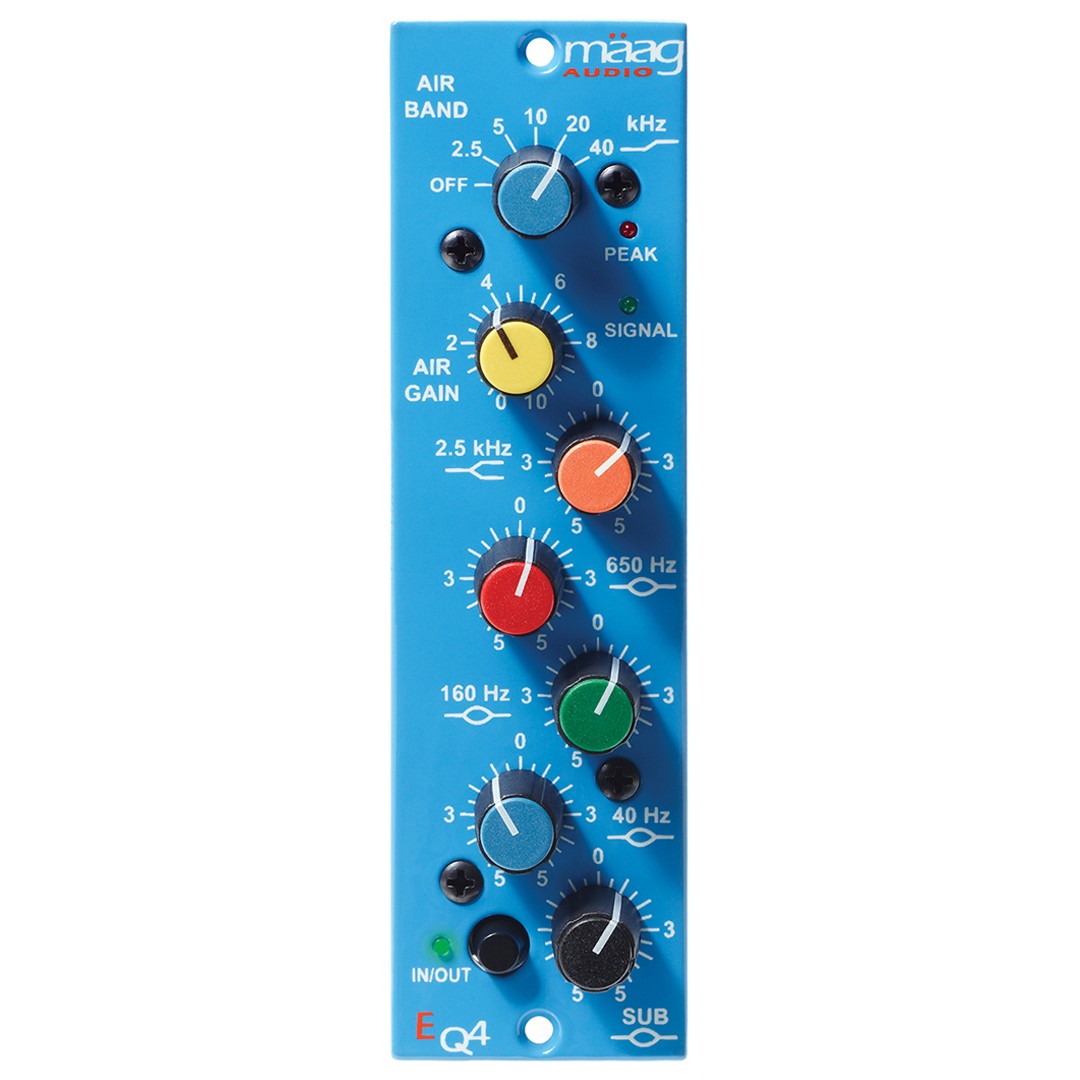
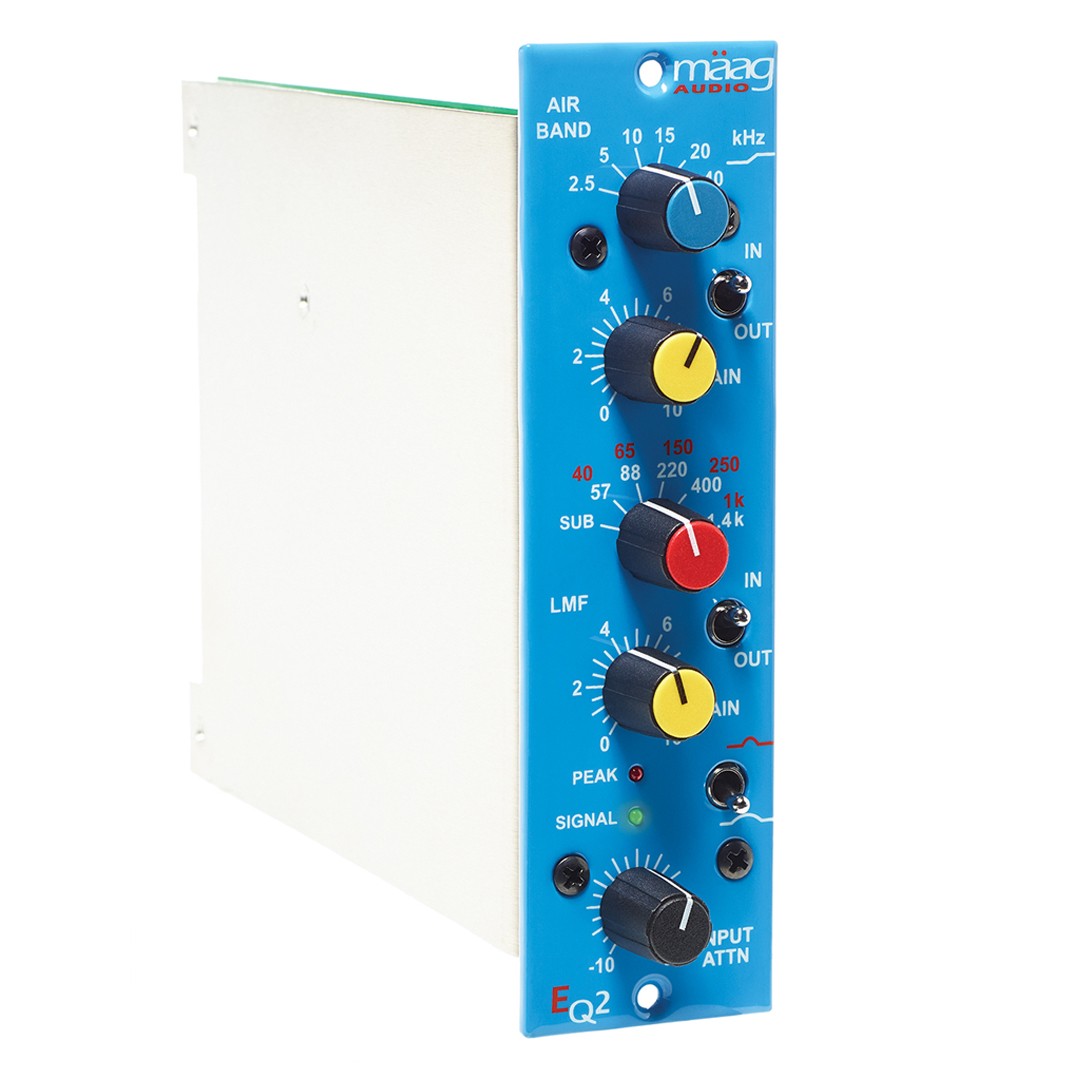
Over time, the Air Band has been integrated into several of the brand's products, including the EQ4, EQ4M, EQ2 and other processors in the Maag Audio line, always maintaining the same philosophy: to offer an open, refined and musical top-end.
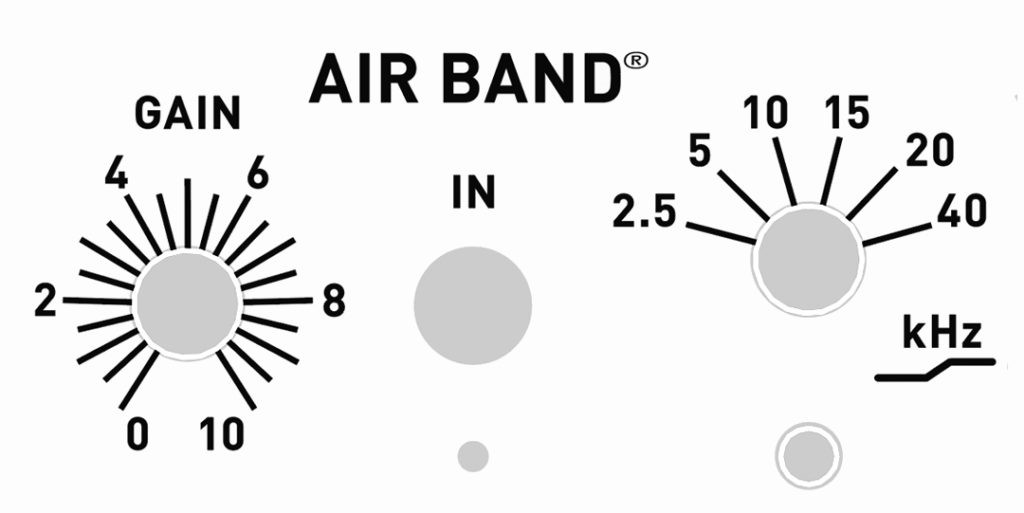
The Air Band is a shelf boost designed to work on the higher frequencies of the spectrum. In Maag Audio products, selectable frequencies go up to 40 kHz, with typical positions such as 2.5, 5, 10, 15, 20 and 40 kHz depending on the model. The official documentation also specifies that frequencies below the cutoff point are affected by the transition slope, contributing to a wider and more natural perception of the treble opening.
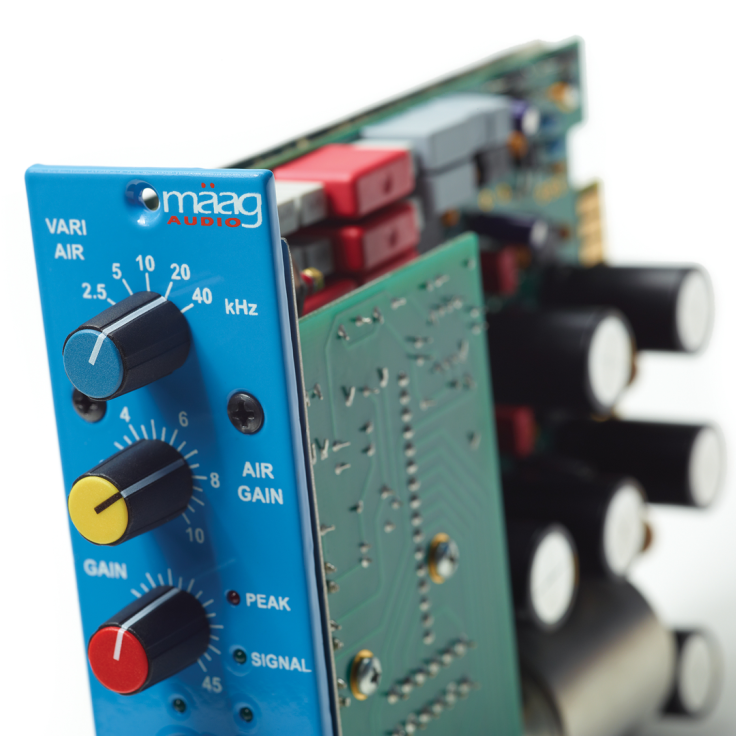
In practice, this means that the Air Band does not simply emphasize a "bright" area aggressively, but intervenes with a musicality that makes it particularly effective on vocals, stereo buses, acoustic instruments, and final masters.
Air Band's success depends on its ability to add presence and a sense of depth without pushing the sound toward harshness and excessive sibilance. It is a feature that many sound engineers look for when they want to give the mix a more breathy, defined, and three-dimensional feel.
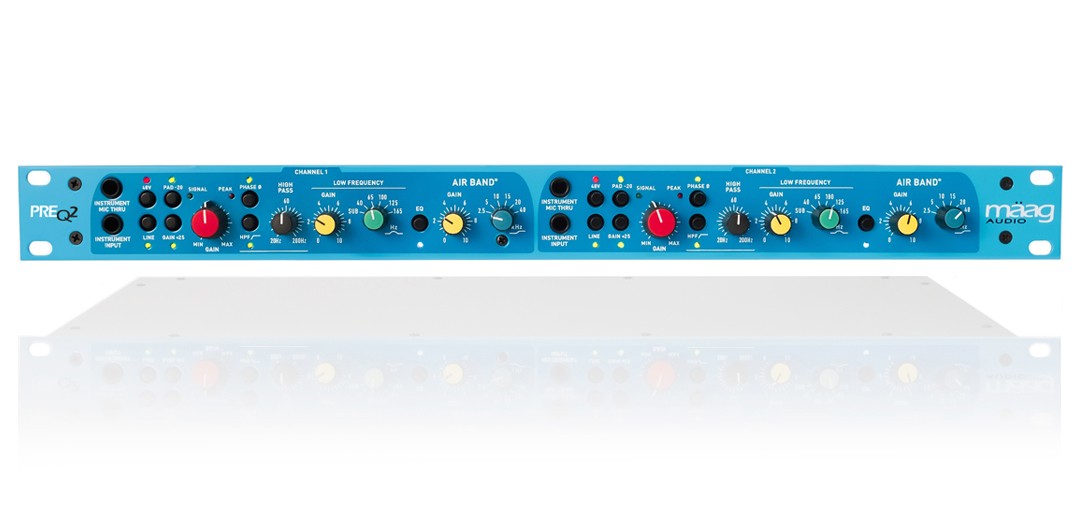
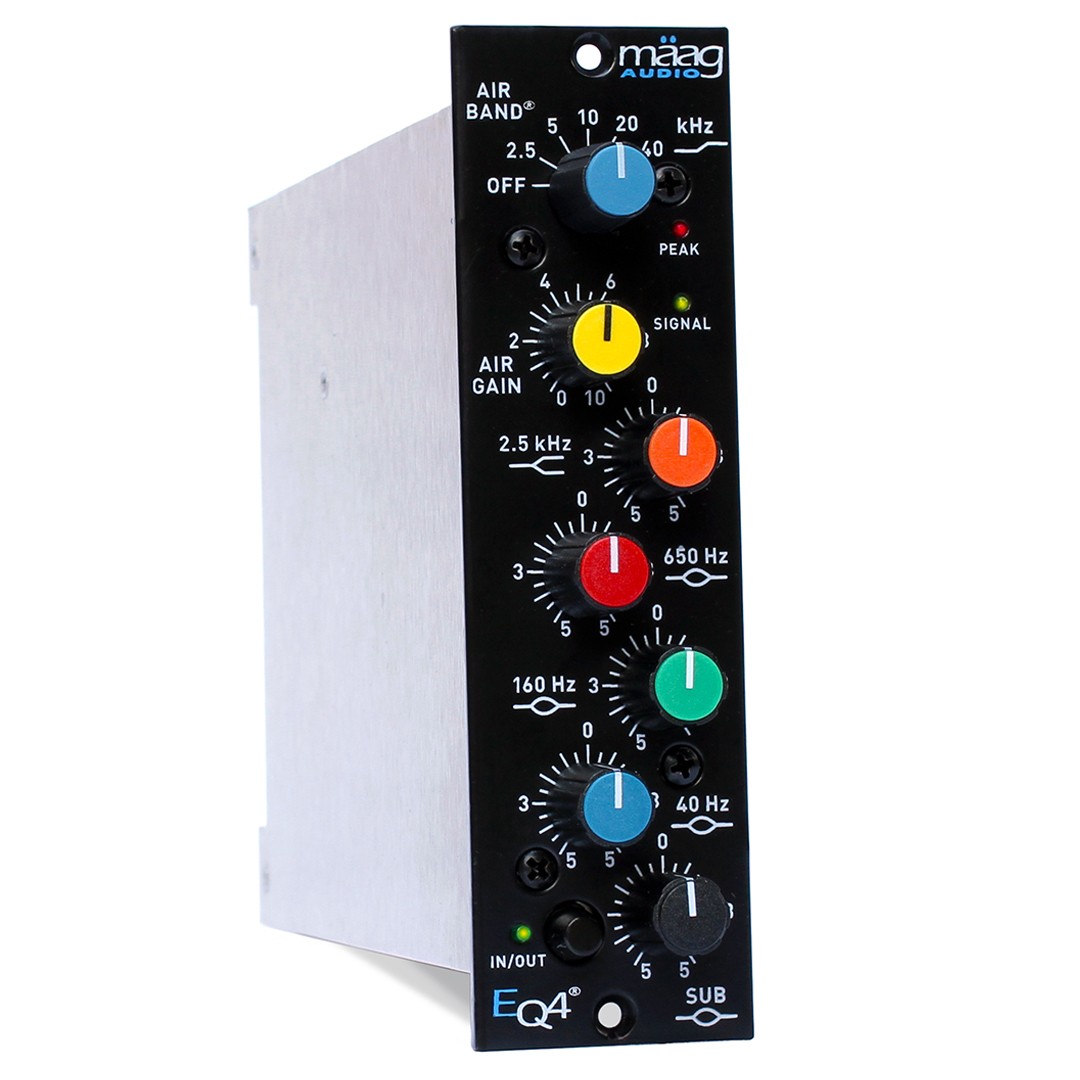
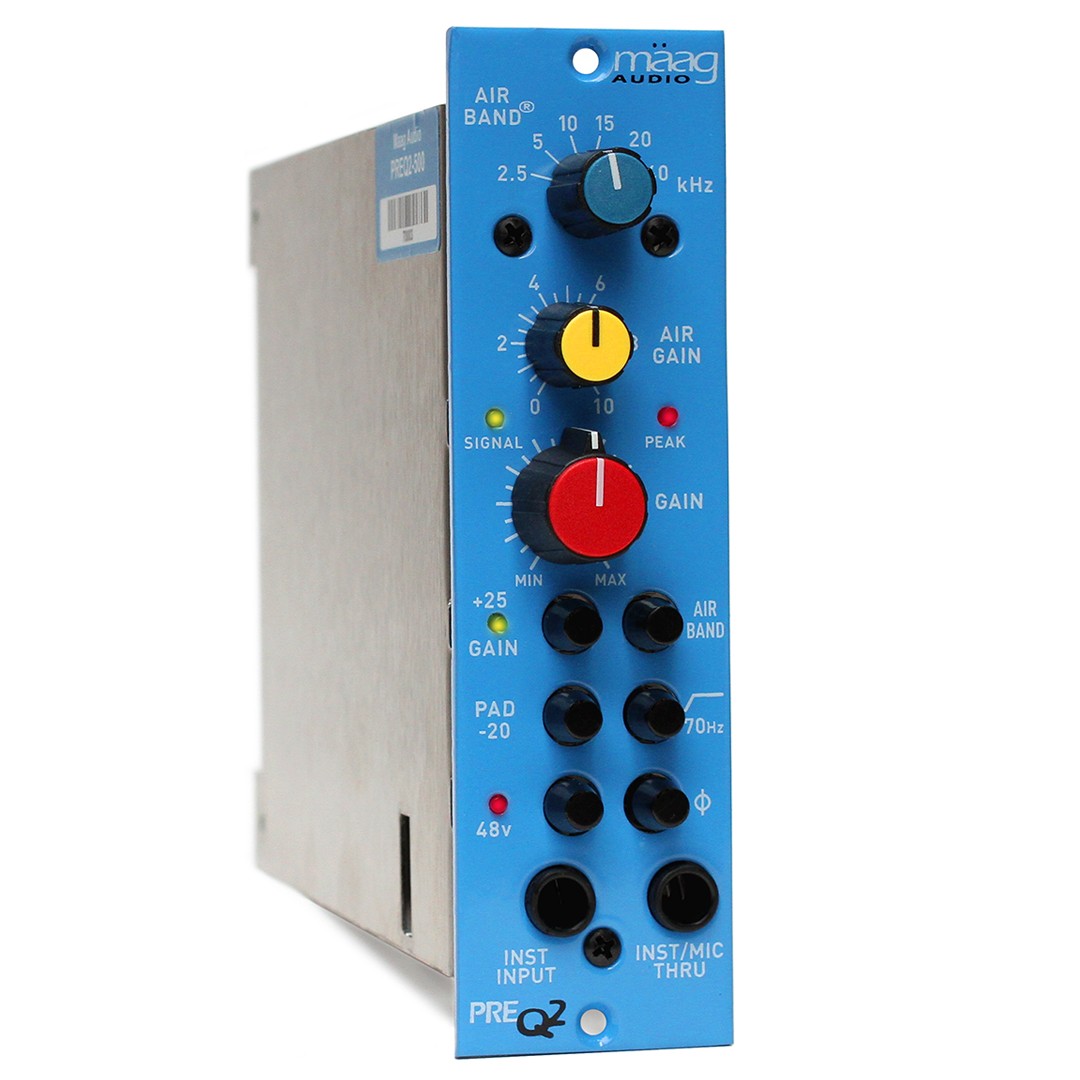
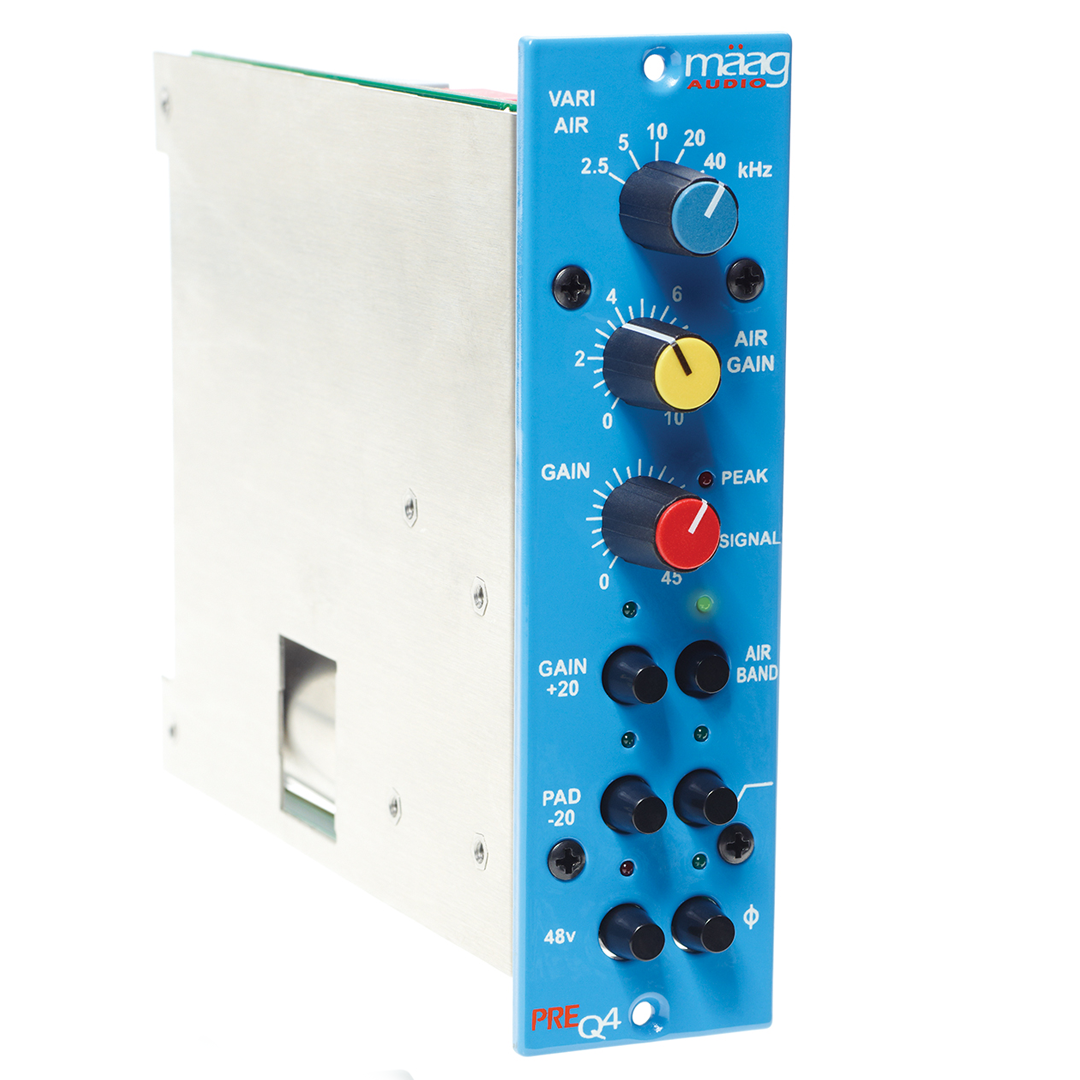
Those looking for Air Band character in hardware or plugin format often look to models such as Maag Audio PREQ2, EQ4, Maag Audio EQ4M and Maag Audio EQ2. The EQ4M, in particular, is known for its mastering-oriented approach, while the EQ2 and EQ4 have also become very popular tools in mixing and tracking.
For those who work in the studio and want to improve mix brightness, openness, and presence, Air Band technology still remains one of the most interesting solutions in the analog and hybrid EQ landscape.
If you are considering a Maag Audio equalizer at Milk Audio Store, knowing the history of the Air Band helps you understand why these processors are so sought after in the pro audio industry. It's not just an iconic name, but a technology with a true design legacy, created to deliver precise, musical and instantly recognizable high frequency refinement.
For producers, mixing engineers and mastering engineers, choosing a Maag Audio product means access to one of the most well-known circuitry for adding air, detail and transparency to the signal. It is precisely this sonic identity that makes the Air Band a benchmark still relevant in the workflow of many professionals.
The history of the Maag Audio Air Band starts with Cliff Maag's designs in the early 1990s and goes all the way up to the most popular modern equalizers in the studio. Its strength lies in an approach to high frequency equalization that aims for musicality, openness, and naturalness. That is why, even today, to speak of Maag Audio is to speak of one of the most recognizable technologies in the world of professional mixing and mastering.
Related Products
Join us today and get 5% off your next order!
Empty cart
