It seems you are not visiting the site with the correct settings for your country. Do you want to switch to the correct version of the site?

Continue Close and continue with current settings

Recording, Mixing and Mastering

PMC Speakers: PMC 6 or PMC 6-2, which to choose for studio and Dolby Atmos

Published on 14/04/2026

Complete guide to PMC Speakers monitors for mixing, mastering and Dolby Atmos

When it comes to professional studio monitors, PMC Speakers is one of the absolute benchmarks in the world of pro audio, from music mixing to film post-production.

Two models that often generate doubt-but also excitement-are the PMC 6 and PMC 6-2.
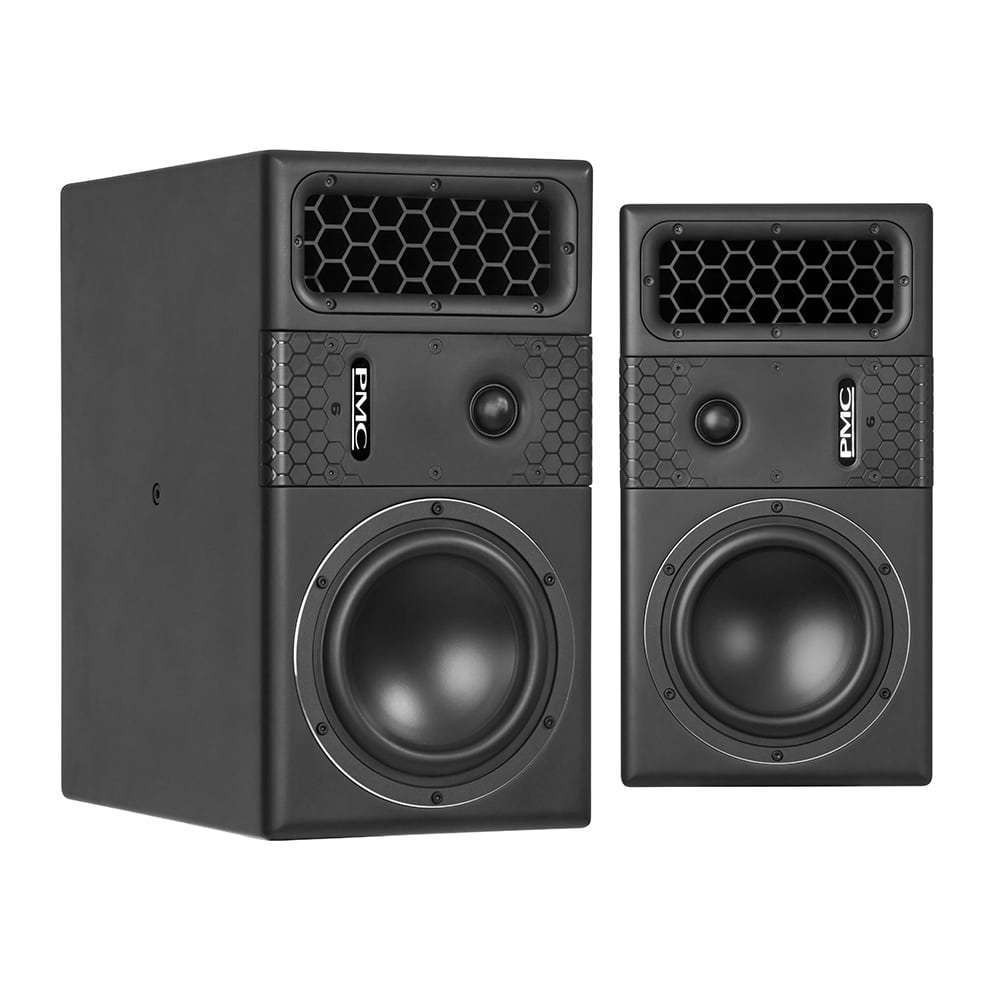

It's not simply a question of which is "better," but which is best suited to your workflow, environment, and goals.

In this guide we explore the real differences, when to choose one or the other, and how to integrate them into Dolby Atmos and immersive audio systems as well.

PMC philosophy: sonic coherence first

One of the most important aspects to understand is that PMC does not design "different" monitors, but systems that are consistent with each other.

Both PMC 6 and PMC 6-2 share:

  • ATL™ (Advanced Transmission Line) technology.
  • Laminair™ system for turbulence reduction
  • Advanced DSP with SoundAlign™
  • Extremely neutral and translatable sound signature

This means that switching from one to the other does not change the "character," but the scale and depth of monitoring.

PMC 6: precise nearfield monitor for compact studios

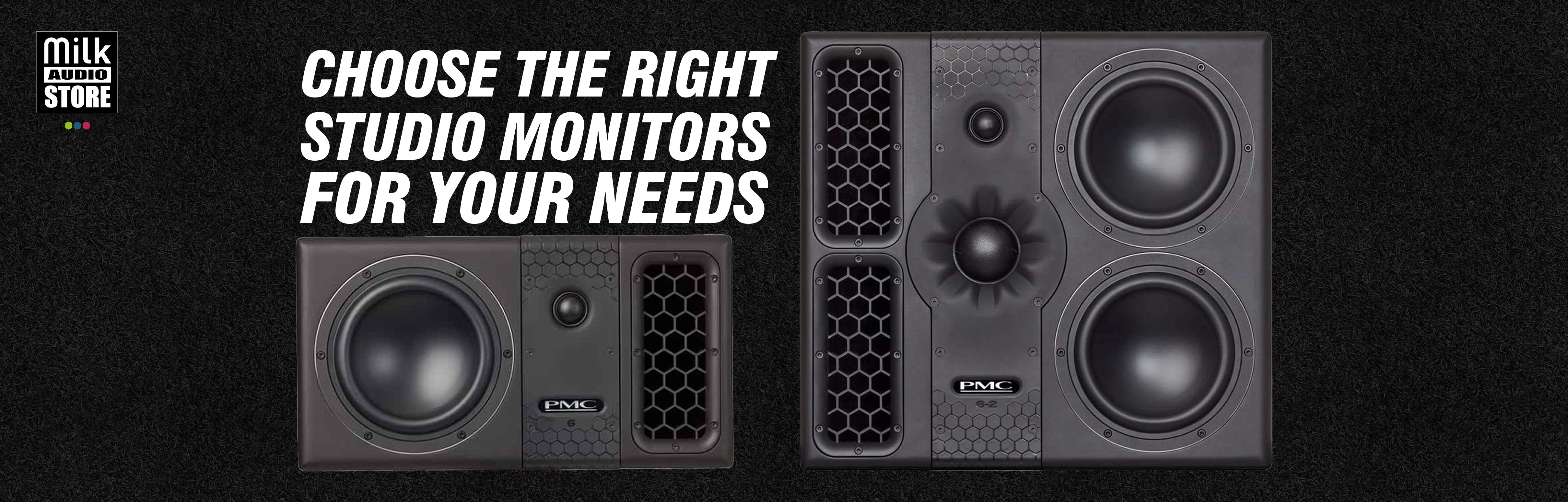
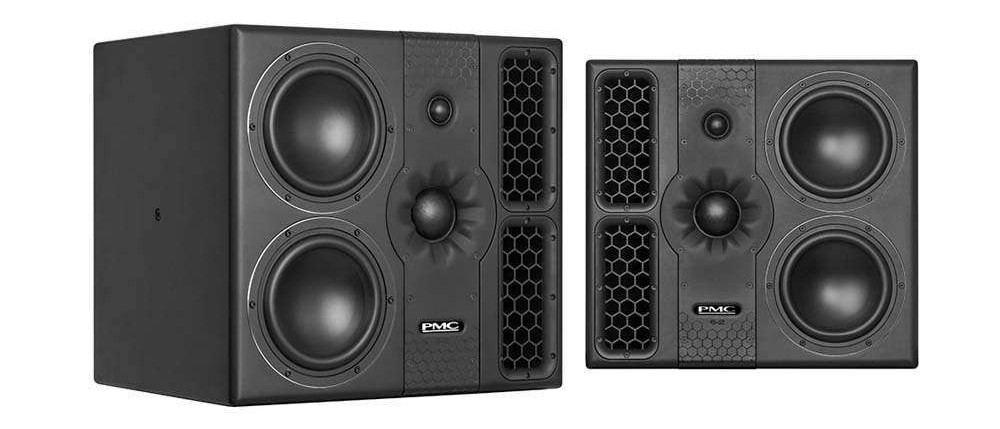
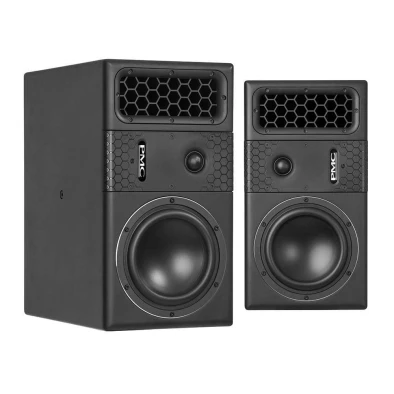
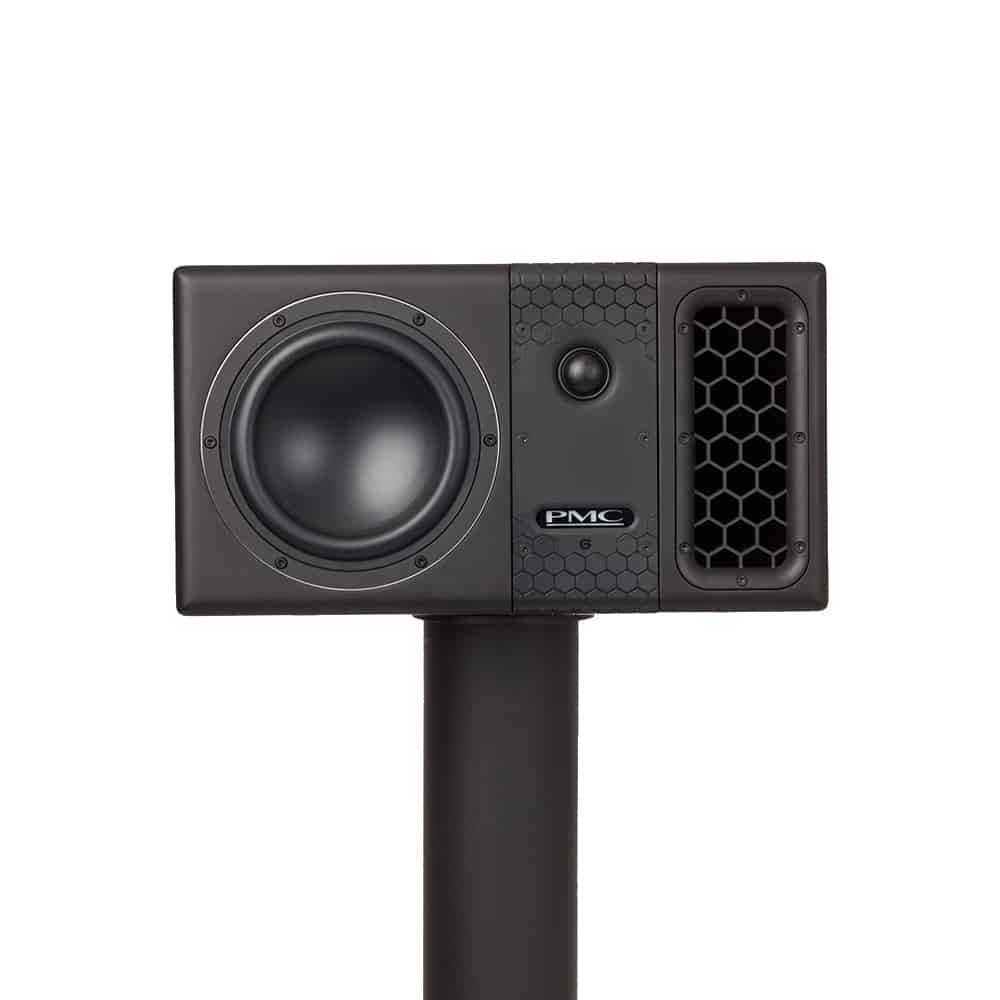
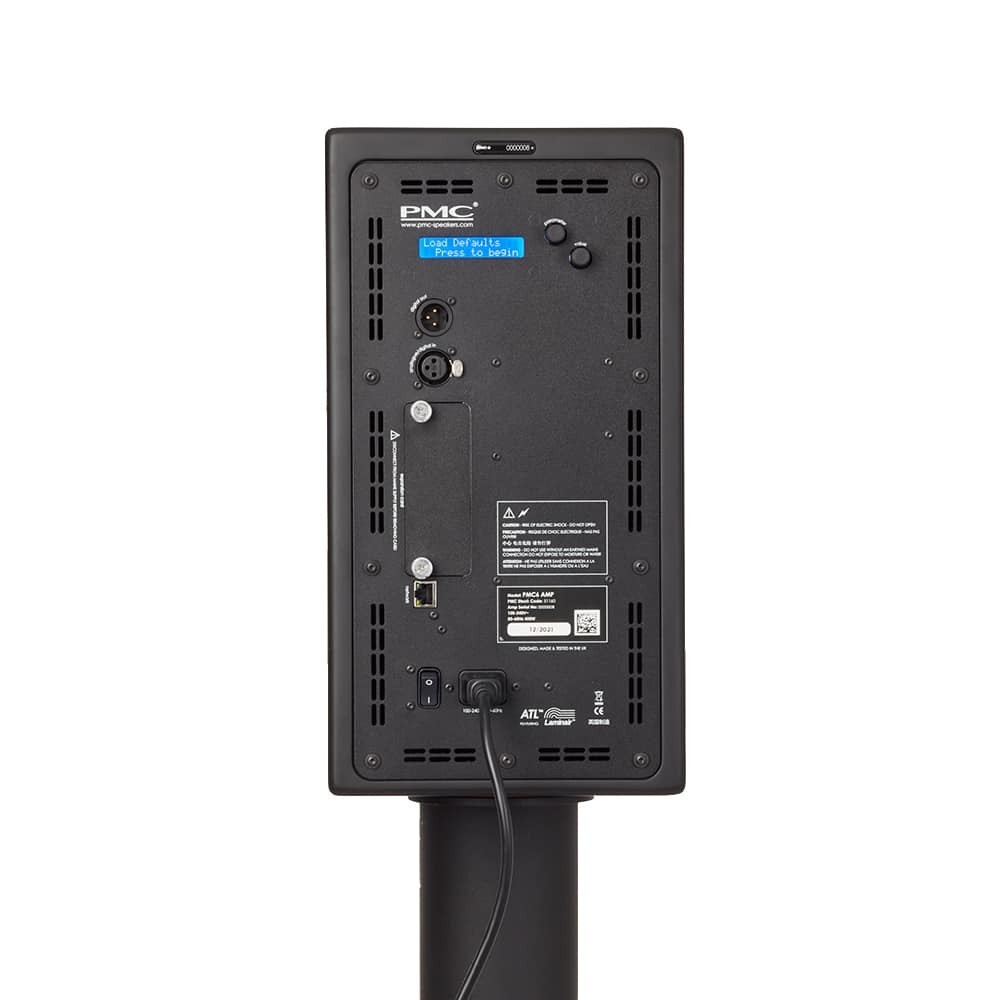
The PMC 6 is a 2-way active nearfield monitor designed to deliver amazing performance even in small spaces.
Why choose PMC 6

  • Incredible bass extension for a 6" (down to 39Hz)
  • Extremely accurate imaging
  • Excellent readability of details and issues in the mix
  • Perfect for small and medium-sized studios
  • Very easy to integrate into stereo or immersive setups

It's not "entry level"-it's a pure professional monitor, only more compact.

When it's the right choice

Choose PMC 6 if:

  • you work in home studios or compact control rooms
  • you do mixing, producing, editing
  • you want a reliable but unobtrusive system
  • you are building a modular Dolby Atmos system.

Many users describe it as:

"clinical and 3D"
"massive improvement in depth and frequency separation"

PMC 6-2: 3-way monitor for professional depth and headroom

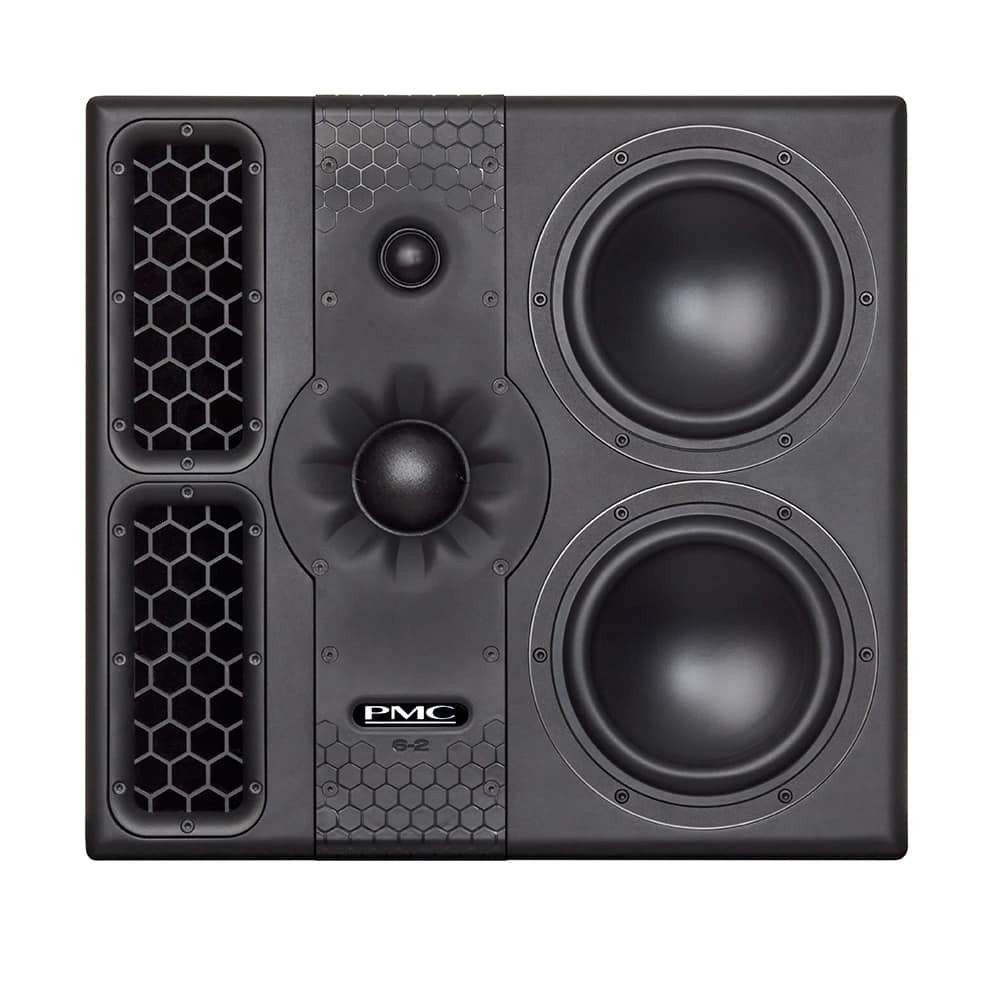
The PMC 6-2 is an active 3-way system with dual 6" woofers and a dedicated midrange.

Here we enter a different dimension:
more headroom, more depth, more three-dimensional realism
Why choose PMC 6-2

  • Extension up to 33Hz (without sub)
  • Dedicated midrange → superior detail and naturalness
  • Much higher headroom
  • Even wider and more stable imaging
  • "Main monitor" feel in compact format

When it's the right choice

Choose PMC 6-2 if you:

  • you work in advanced mixing/mastering
  • you do post-production or soundtracks
  • you have a medium-to-large treated control room
  • you want a more realistic depth perception

The reviews speak for themselves:

"They just disappear when mixing"
"Massive low end and incredible depth"
"Game changer"

PMC 6 and PMC 6-2 differences: which one to really choose

The key difference is not "quality," but:

listening scale and quantity of perceived information

Scenario Recommended choice
Small studio / nearfield PMC 6
Music production PMC 6
Advanced mixing PMC 6-2
Mastering PMC 6-2
Post-production PMC 6-2
Hybrid/Modular Setups PMC 6

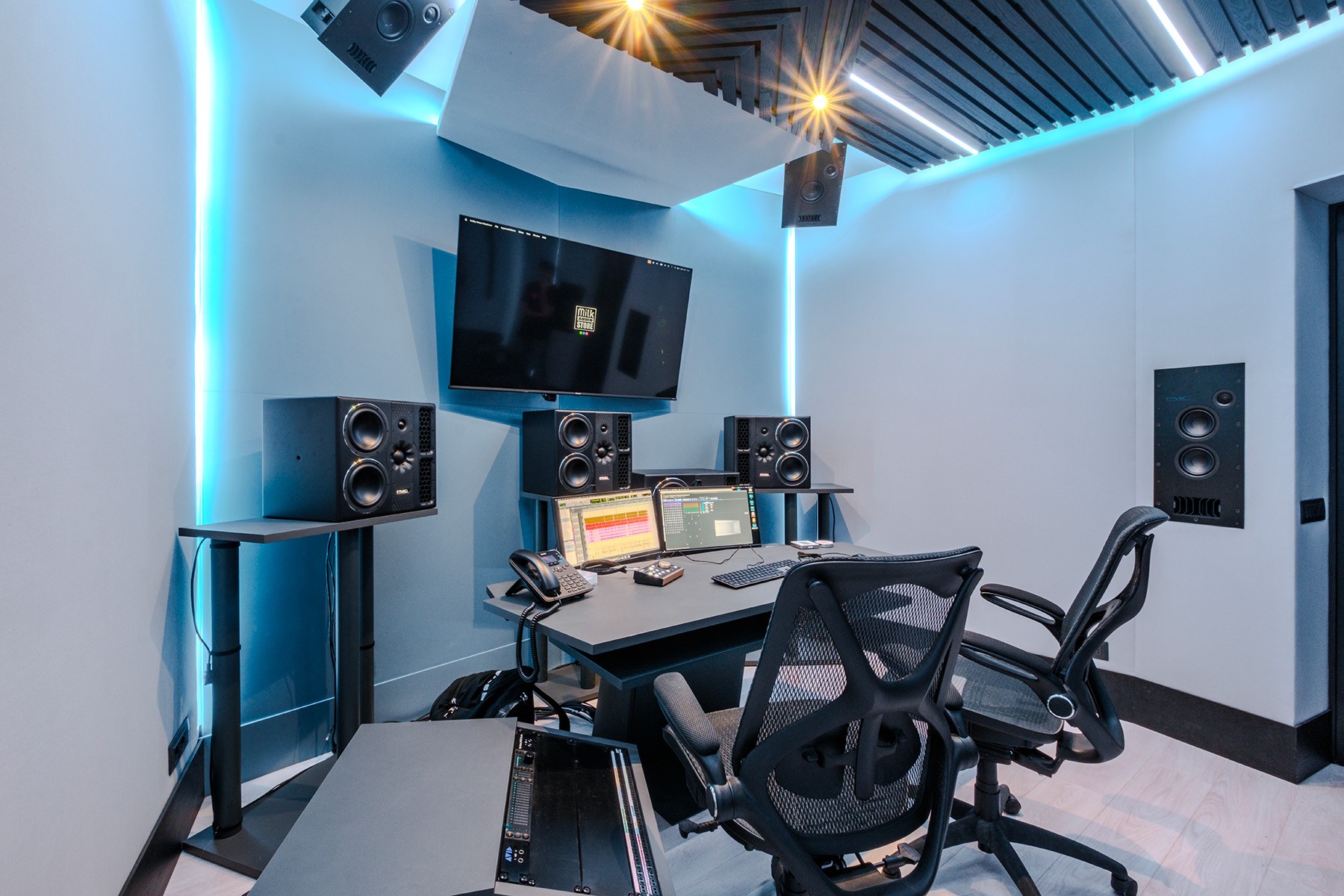
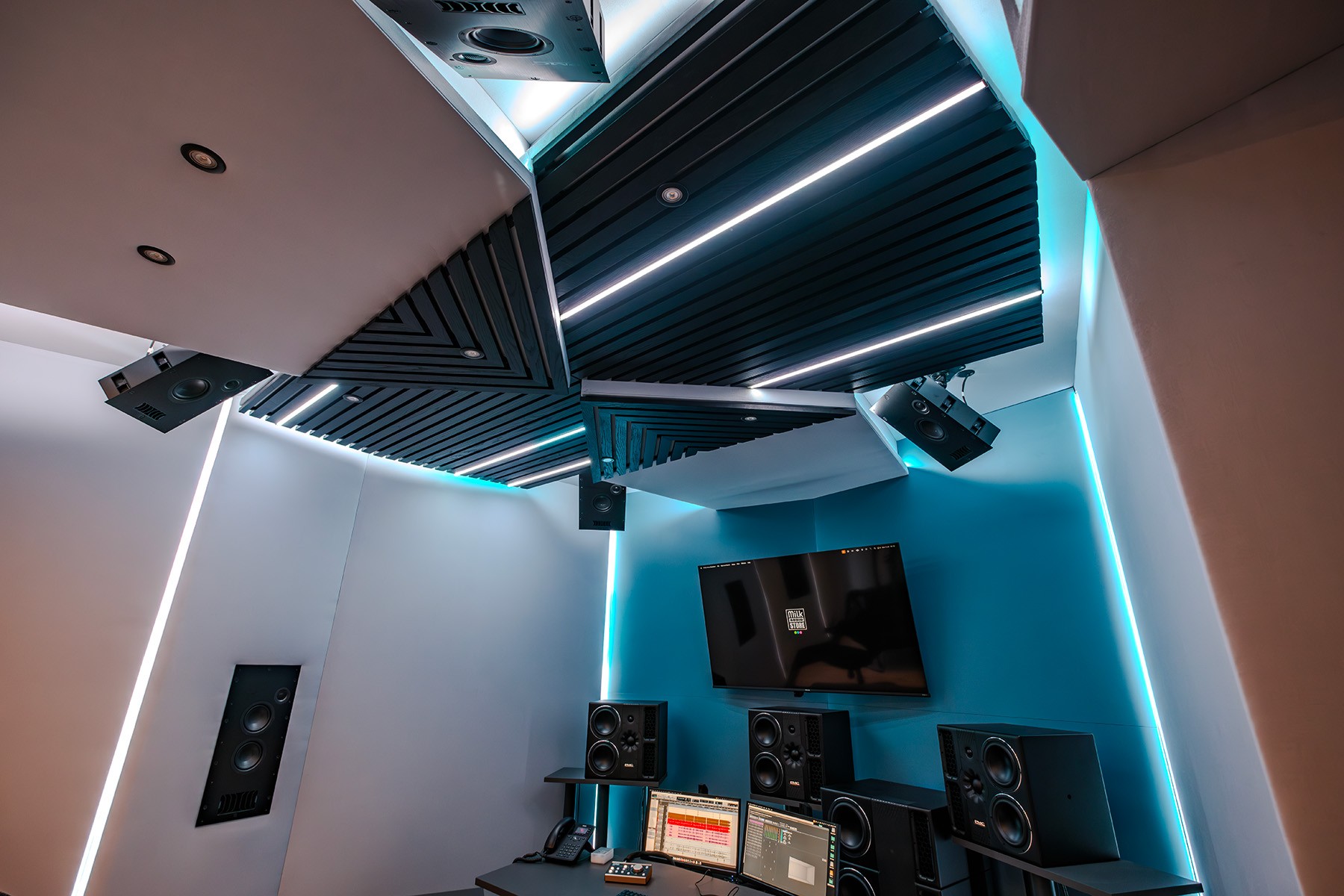
PMC Speakers and Dolby Atmos: integration in immersive systems

PMC is particularly strong here.

Both models:

  • support ceiling mounting as well
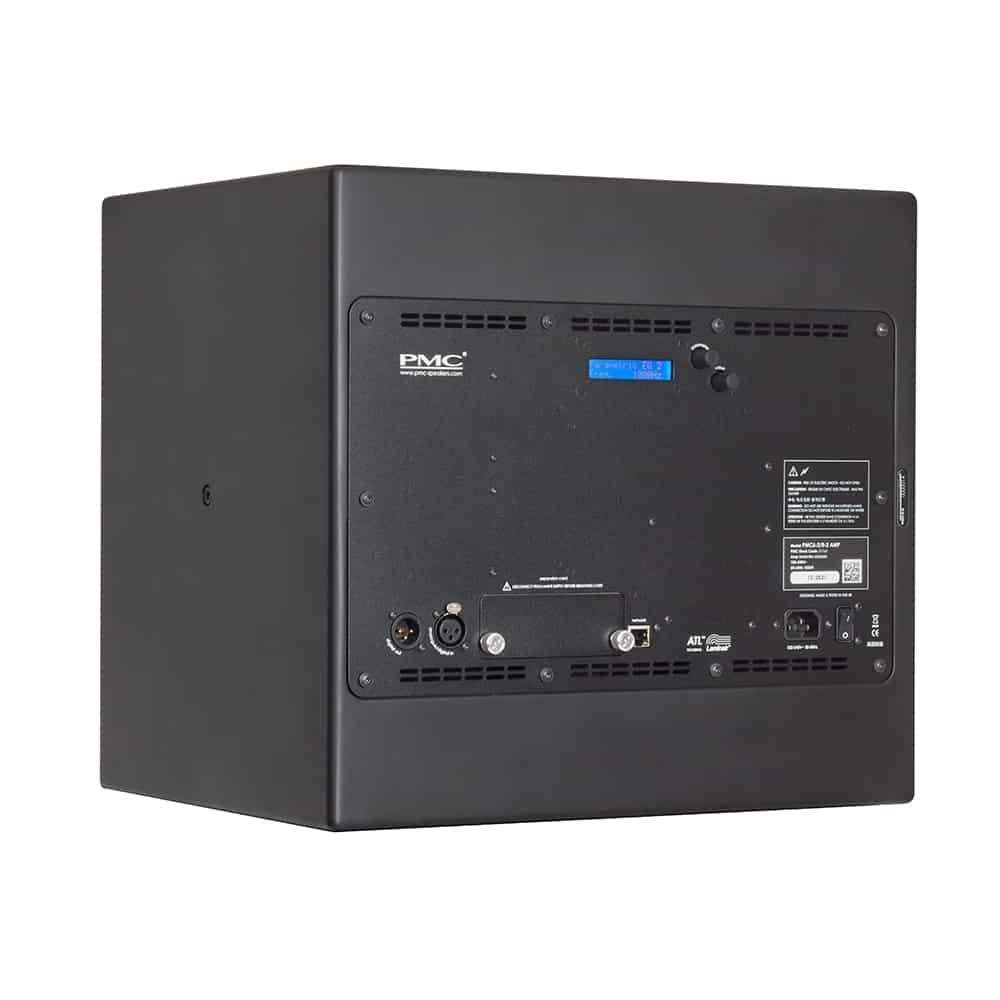
  • have DSP with delay, EQ and phase control
  • are perfect for multichannel setups

PMC 6 in Dolby Atmos

Ideal for:

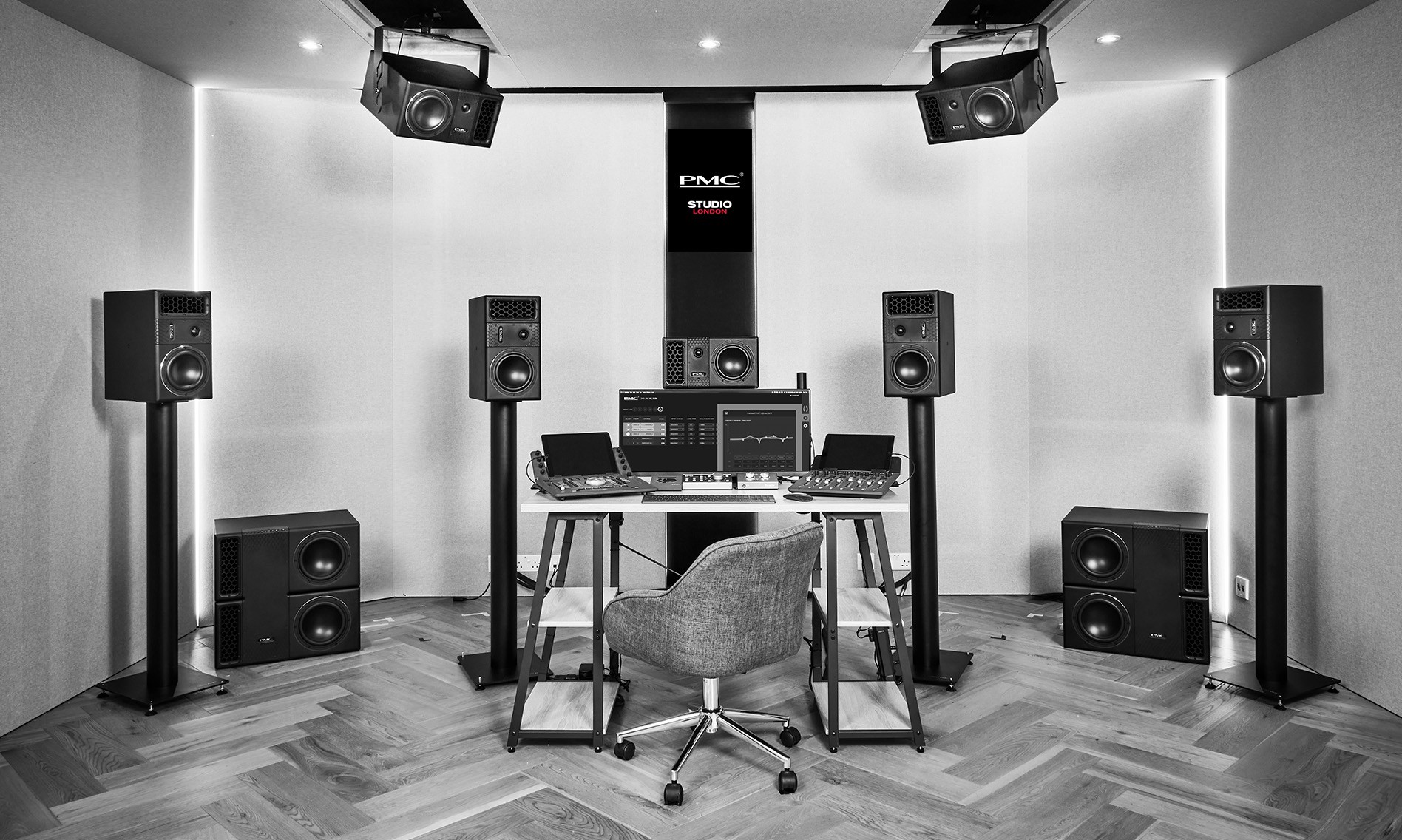
  • 7.1.4 or 5.1.4 systems
  • installations with many speakers
  • small/medium rooms

Why.

  • compact size
  • perfect coherence between channels
  • ease of placement

PMC 6-2 in Dolby Atmos

Ideal for:

  • LCR front ends in advanced Atmos systems
  • post-production studios
  • high-end immersive mix rooms

Often used as follows:

  • PMC 6-2 → front
  • PMC 6 → surround and height

This is a widely used approach in professional setups.

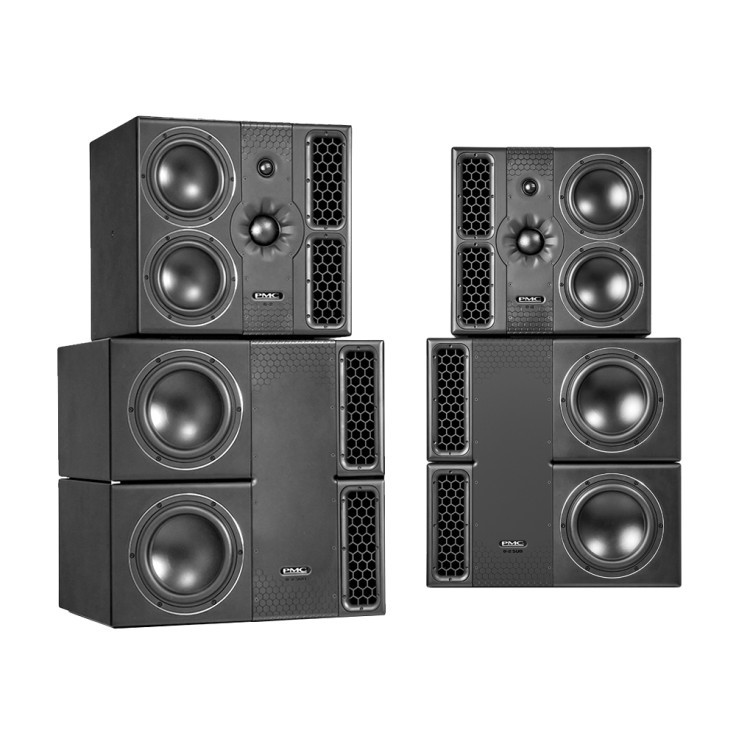
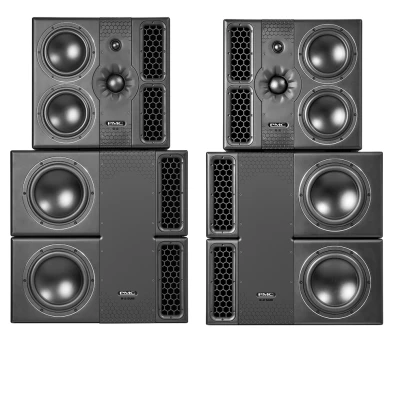
PMC expandability: XBD systems and subwoofers

Both systems can become full-range XBD:
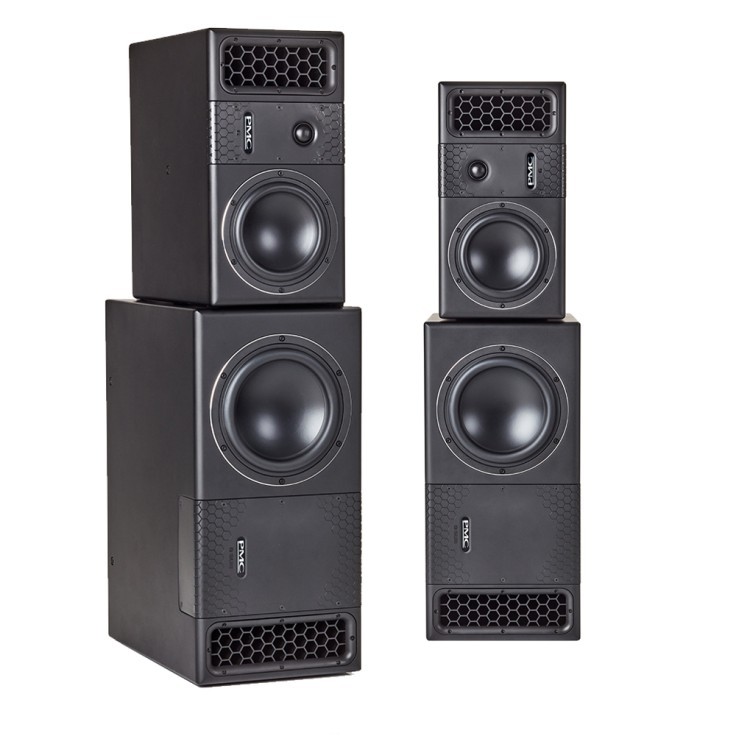
  • PMC6 XBD: PMC 6 + PMC8 SUB → up to 25Hz
  • PMC 6-2 XBD: PMC 6-2 + PMC8.2 SUB → even more headroom

This means you can:

  • start with a basic system
  • evolve it over time
  • maintain total sonic consistency

PMC 6 or PMC 6-2: which monitor to choose for your studio

The most honest (and useful) answer is this:

PMC 6 is a smart choice
PMC 6-2 is a definite choice

Not because one is better than the other, but because:

  • PMC 6 → maximum performance/space ratio
  • PMC 6-2 → maximum level of depth and realism

Milk Audio Store Council

If you are building your own studio:

  • start with PMC 6 if you want flexibility and scalability
  • choose PMC 6-2 if you want to get to the next level right away.

In either case you are entering the PMC world, where mix translation and reliability are the standard.

Conclusion: PMC Speakers as a professional reference

Choosing between PMC 6 and PMC 6-2 is not about choosing "the best," it's about choosing the right monitor for the way you work.

And the most important thing is this:

they both enable you to make better decisions, faster and with more confidence

Check out PMC Speakers at Milk Audio Store

👉🏻 Discover the full range of PMC Speakers at Milk Audio Store and find the perfect setup for your studio.

Stay up to date!

Join us today and get 5% off your next order!
Background newsletter
Your cart

Empty cart

Countries and Languages