
Synthesis and Synthesizers
Published on 21/07/2026


When it comes to preamps and DI boxes for synthesizers, the focus is often on the quality of the converters, the background noise, or the sonic character of the transformers. However, there is one parameter that is discussed much less frequently but can significantly influence the final result: input impedance.
Phoenix Audio has taken a rather unique approach, equipping its Instrument/DI inputs with an input impedance of a full 10 MΩ (megaohms). This value is significantly higher than that of most audio interfaces, mixers, and traditional DI boxes, which typically range between 500 kΩ and 1 MΩ.
This feature makes several Phoenix Audio products particularly appealing not only for guitars and basses, but also for analog synthesizers, Eurorack modular systems, drum machines, and electronic instruments.

Every time we connect an instrument to an audio input, an electrical interaction occurs between the instrument’s output and the recording device’s input.
Generally speaking, the higher the input impedance, the lower the load placed on the instrument. This means that the synthesizer’s output circuit can operate under optimal conditions, preserving:
Phoenix Audio uses ultra-high-impedance inputs designed to prevent excessive loading of the source. This solution keeps the signal open, fast, and three-dimensional, allowing the instrument’s tonal characteristics to shine through.
Many modern synthesizers have active outputs and can be connected directly to the line inputs of an audio interface. However, anyone who records high-quality hardware instruments knows that not all inputs produce the same sound.
The differences can become particularly noticeable with:
The extremely high impedance of Phoenix Audio’s inputs allows the instrument’s output circuit to operate freely, helping to preserve that sense of openness and depth that can be diminished when passing through lower-performance inputs.
The result can be a recording characterized by:
Input impedance is not the only distinctive feature of Phoenix Audio products. The brand’s discrete Class A circuitry and custom-designed output stages also play a significant role.
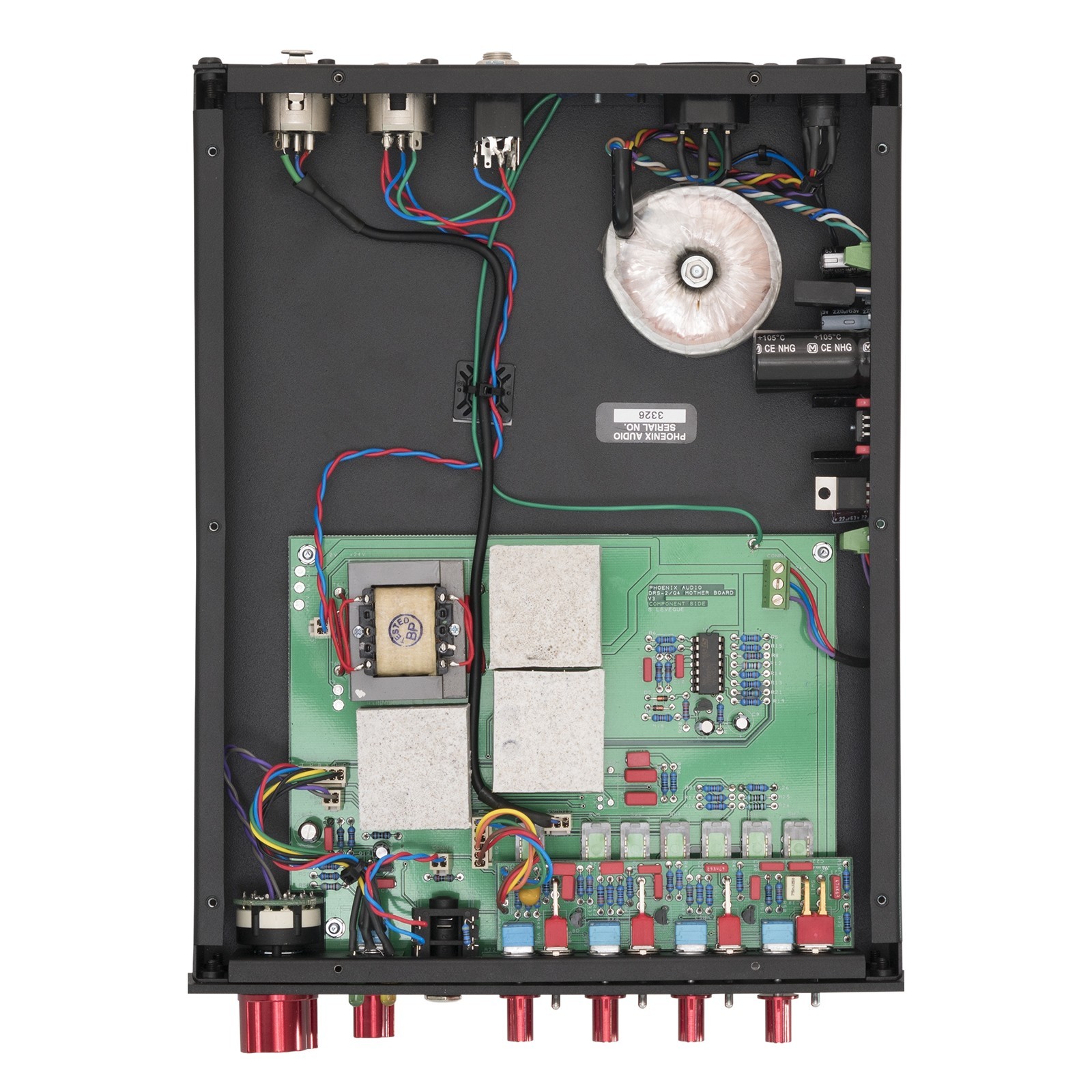
After passing through the ultra-high-impedance input stage, the signal travels through an audio path designed to deliver clarity, dynamics, and musical harmonic saturation.
By appropriately adjusting the gain and output level, you can choose whether to maintain an open and transparent sound or push the circuit further to add density, presence, and harmonic character.
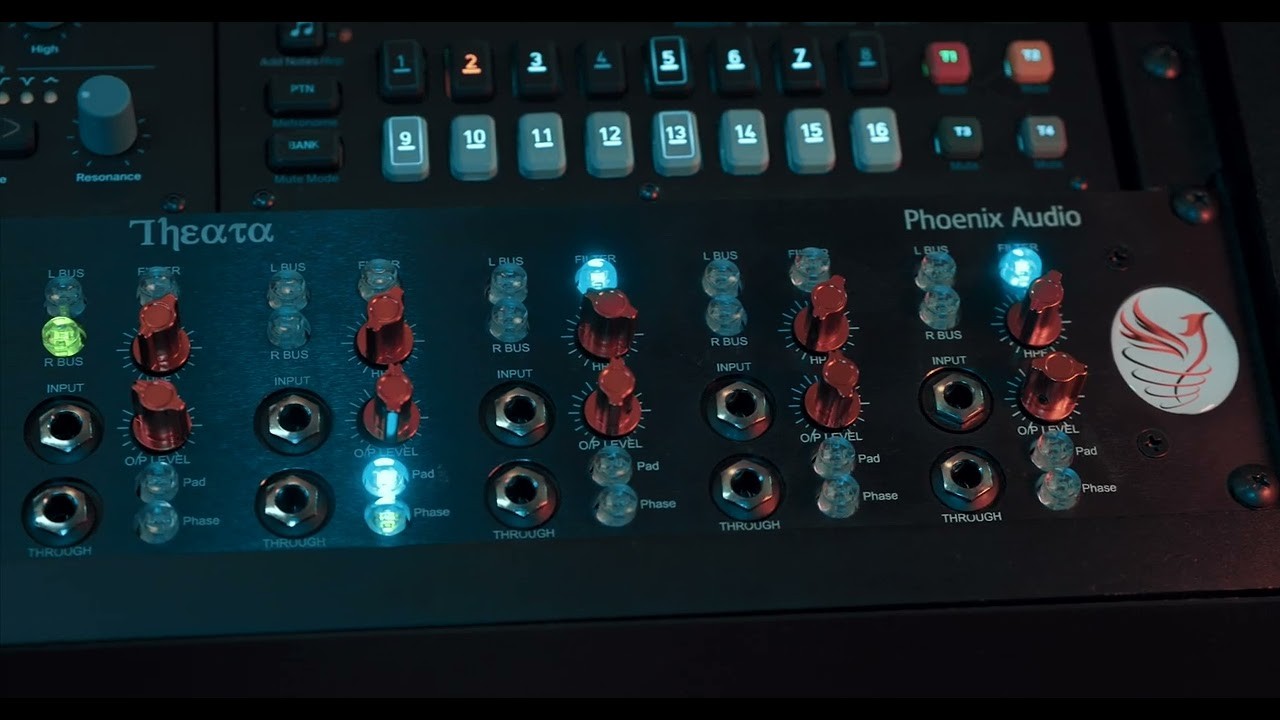
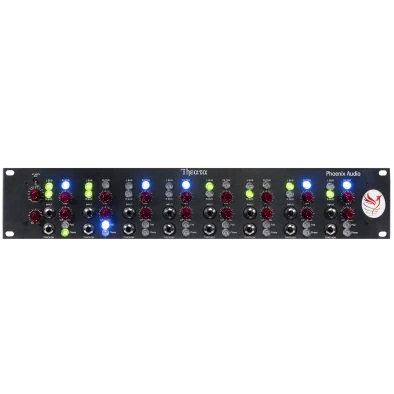
The Phoenix Audio Theata is an extremely versatile solution for those who want to integrate the Phoenix Audio sound character into their studio or a setup dedicated to synthesizers.
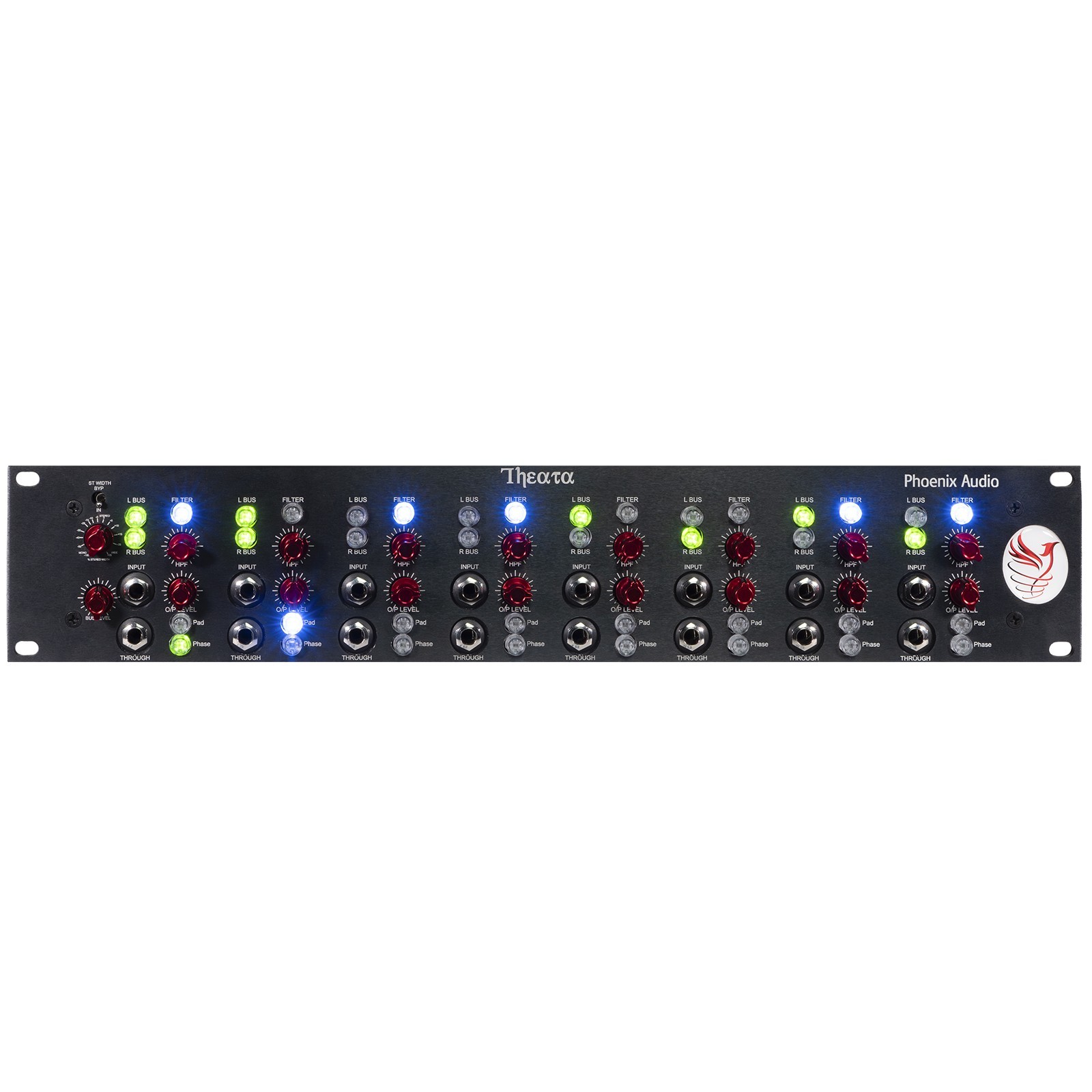
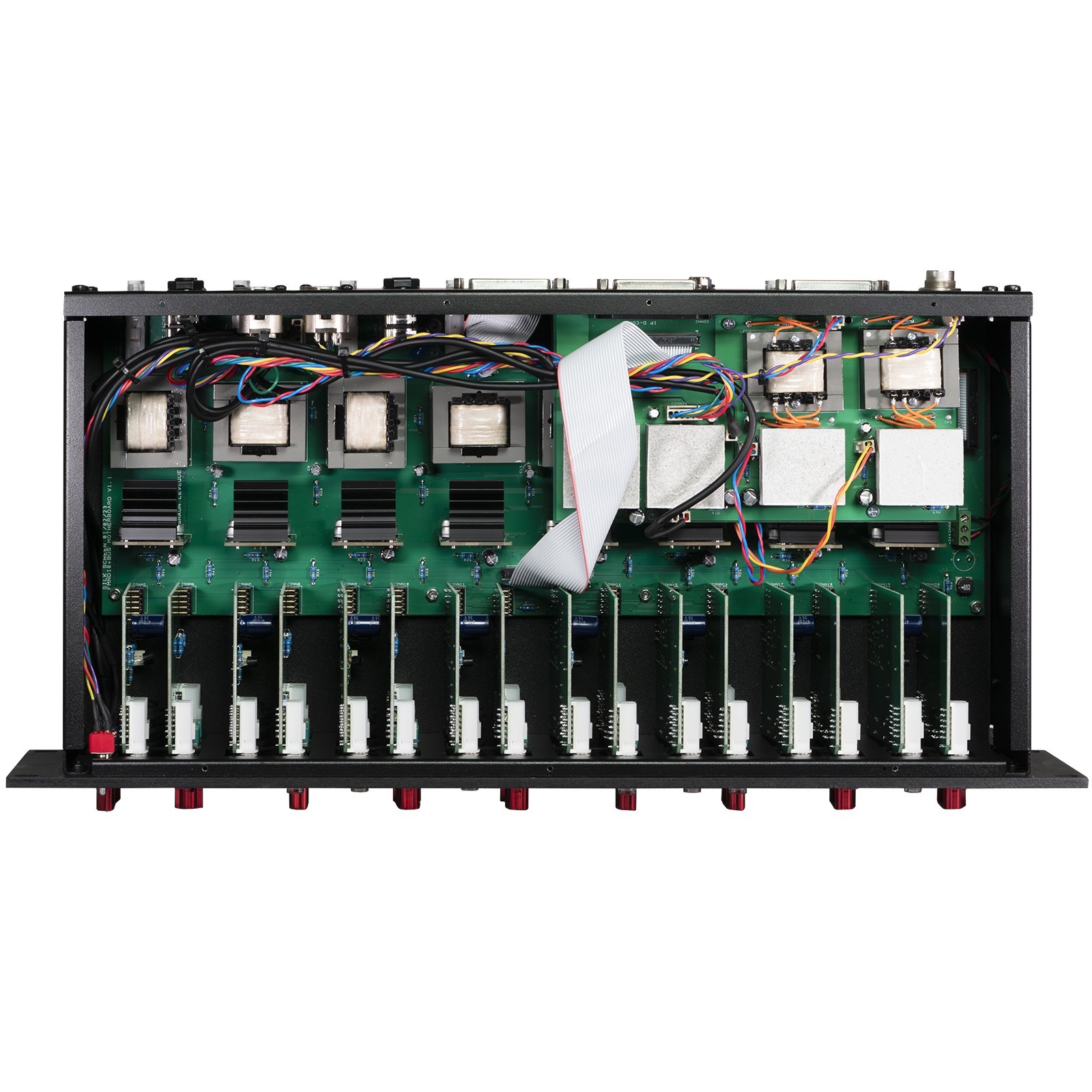
Thanks to its 10 MΩ Instrument input, Theata can capture signals from synths, drum machines, and electronic instruments without overloading their outputs, preserving dynamics and harmonic content.
The discrete Class A circuitry delivers an open, rich, and three-dimensional sound. Theata is therefore an ideal solution for bringing out the best in both vintage synthesizers and modern electronic instruments.
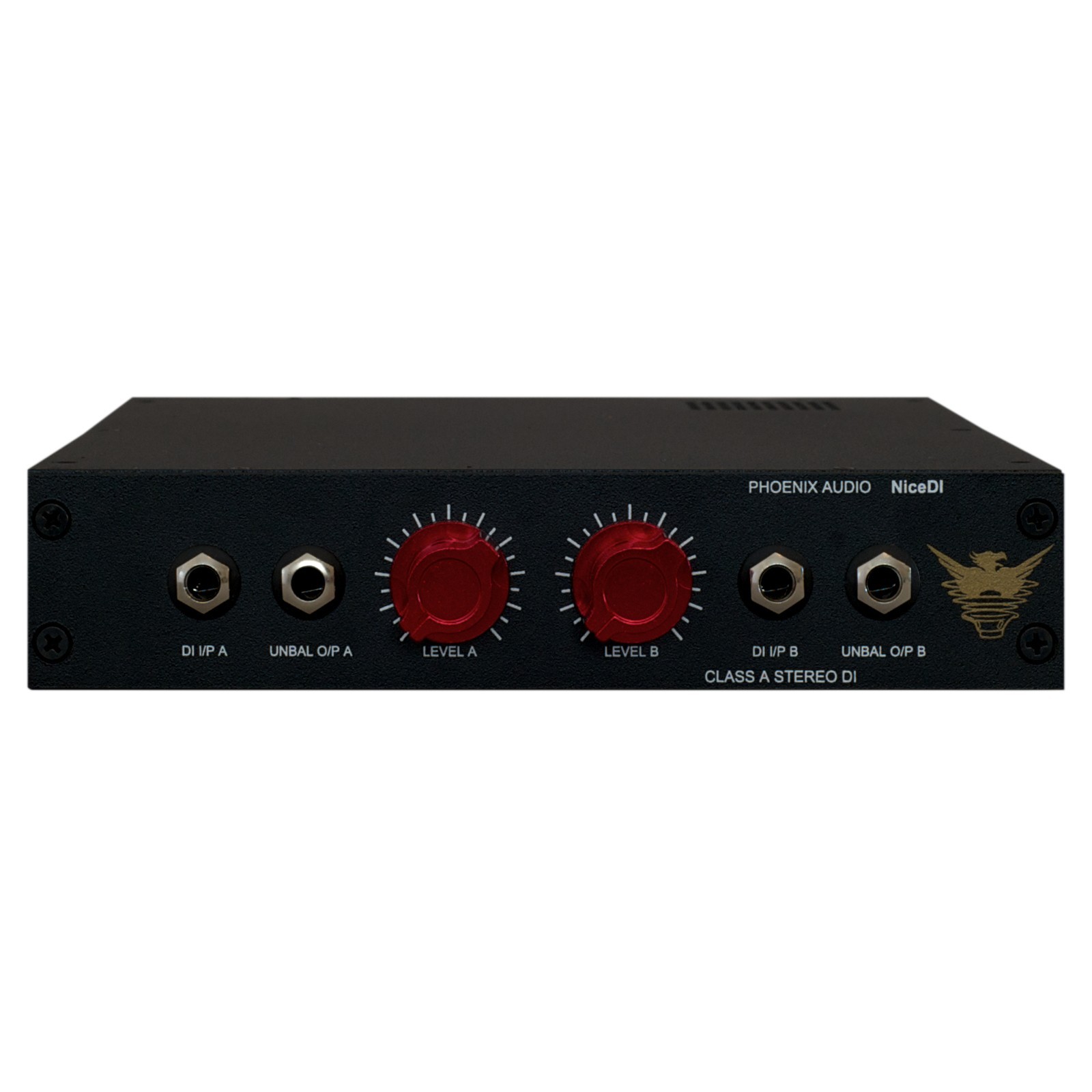
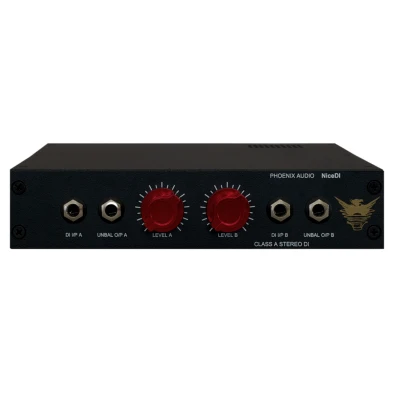
For those seeking a high-quality DI, the Phoenix Audio Nice DI is one of the most compelling options for recording synthesizers and electronic instruments.
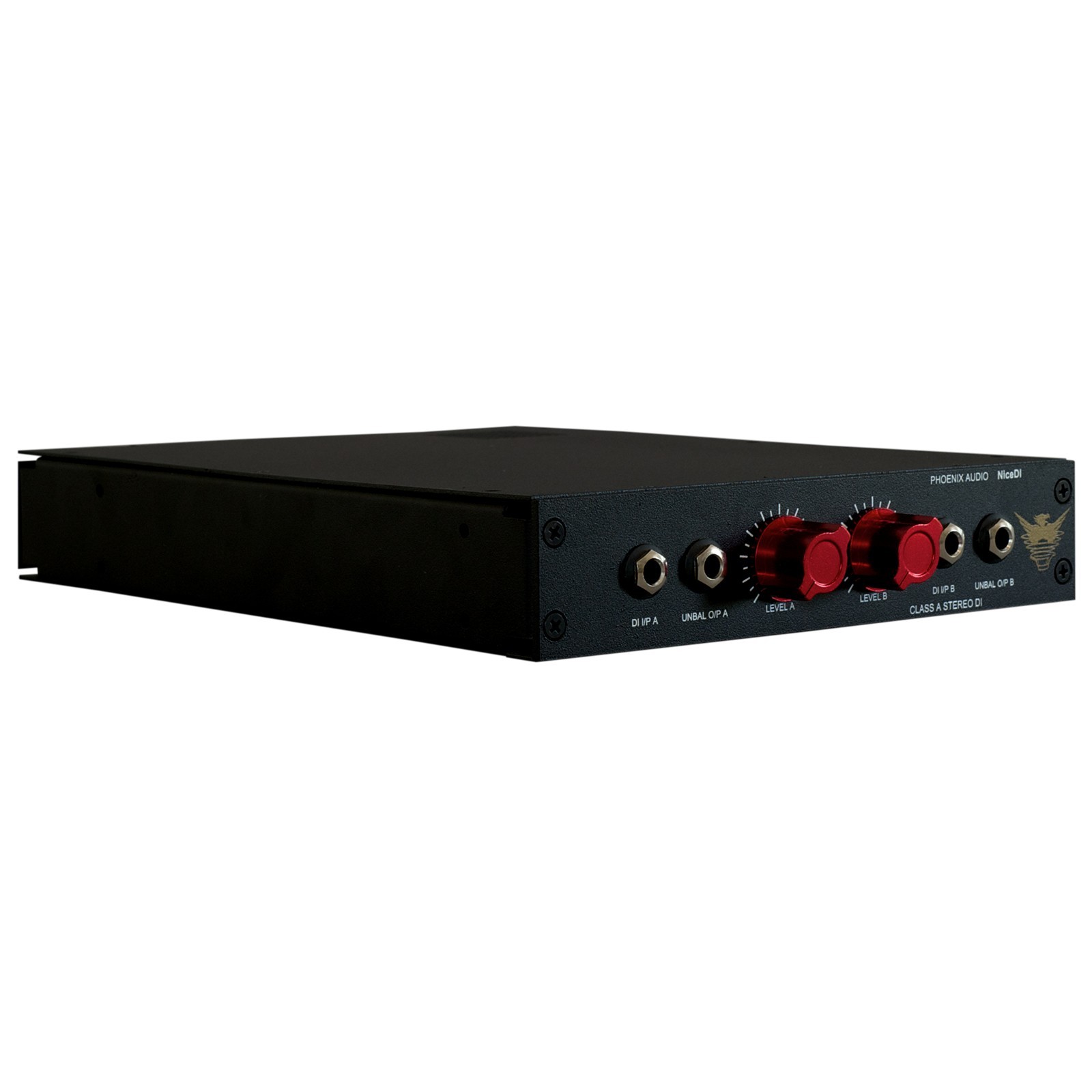
The Nice DI features two channels, making it particularly well-suited for stereo synthesizers, workstations, drum machines, and effects processors.
The 10 MΩ inputs help preserve the instrument’s tonal complexity, while the discrete Class A circuitry and Phoenix Audio output stage can add depth and character to the signal.
Discover the Phoenix Audio Nice DI
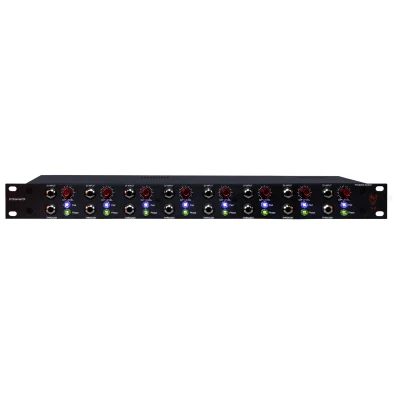
In professional studios or more complex live setups, the Phoenix Audio N-8 DI extends the Nice DI philosophy to eight independent channels.
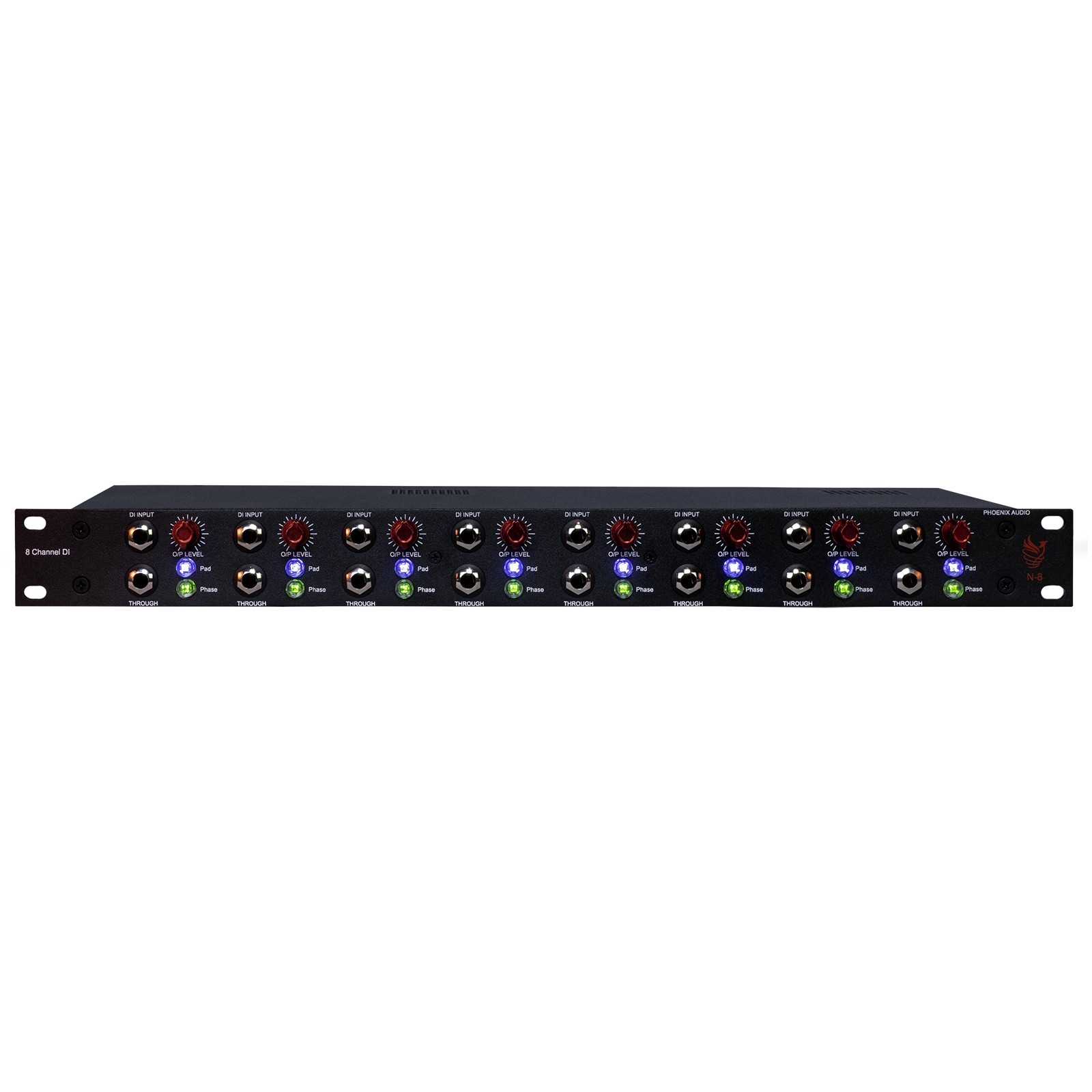
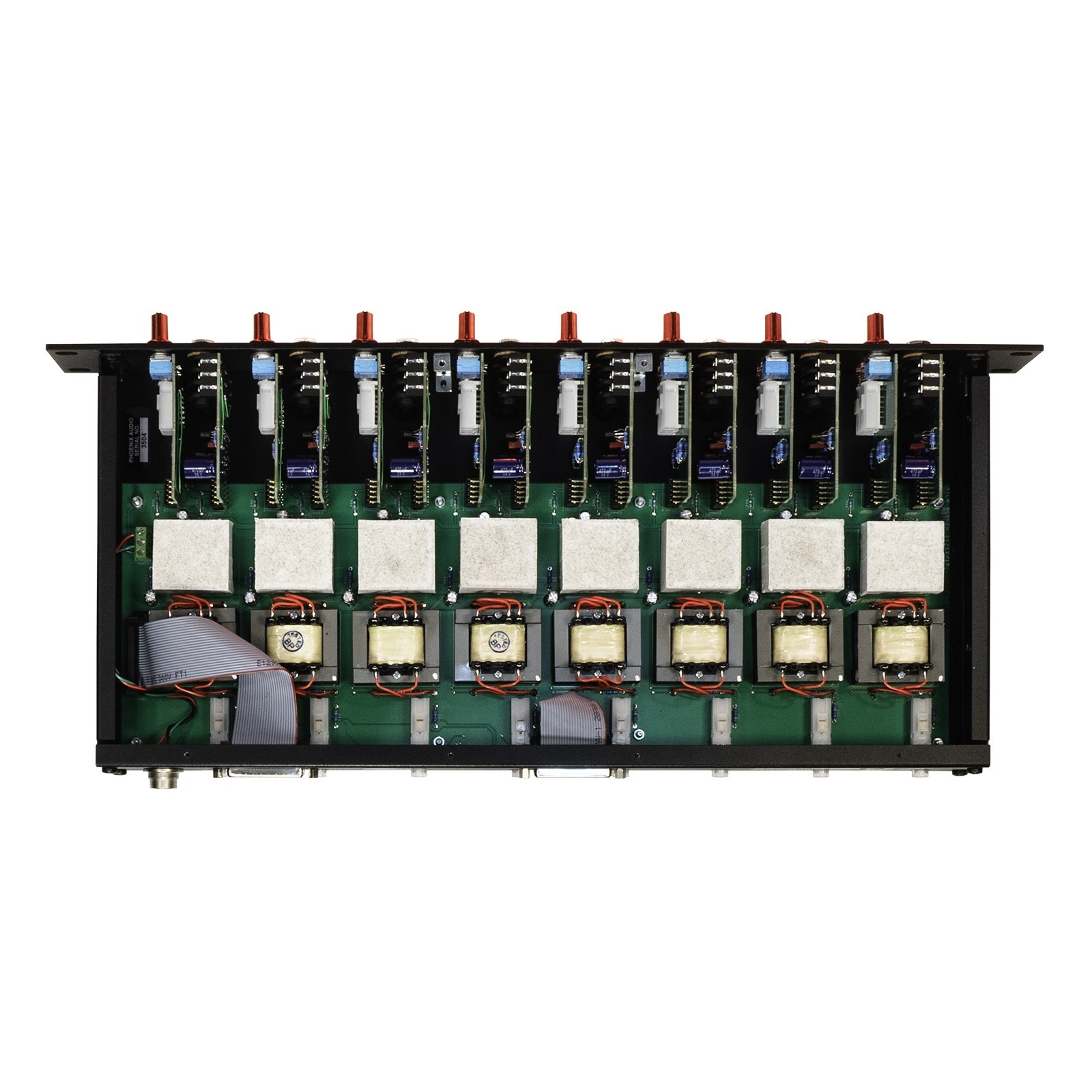
The ability to connect multiple sources simultaneously makes the N-8 DI particularly appealing to users of multiple synthesizers, modular systems, drum machines, samplers, and grooveboxes.
Each high-impedance input allows you to capture instrument signals while maintaining consistent quality throughout the entire recording chain.
Discover the Phoenix Audio N-8 DI
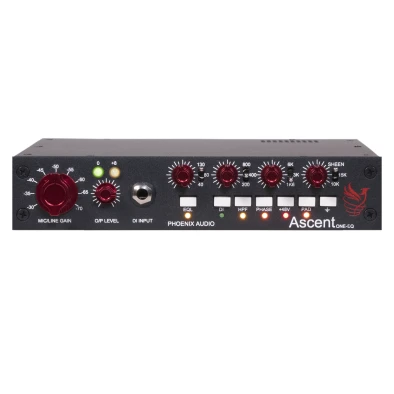
The Ascent One EQ combines the Phoenix Audio signal path with a musical equalizer, designed to naturally shape the signal.
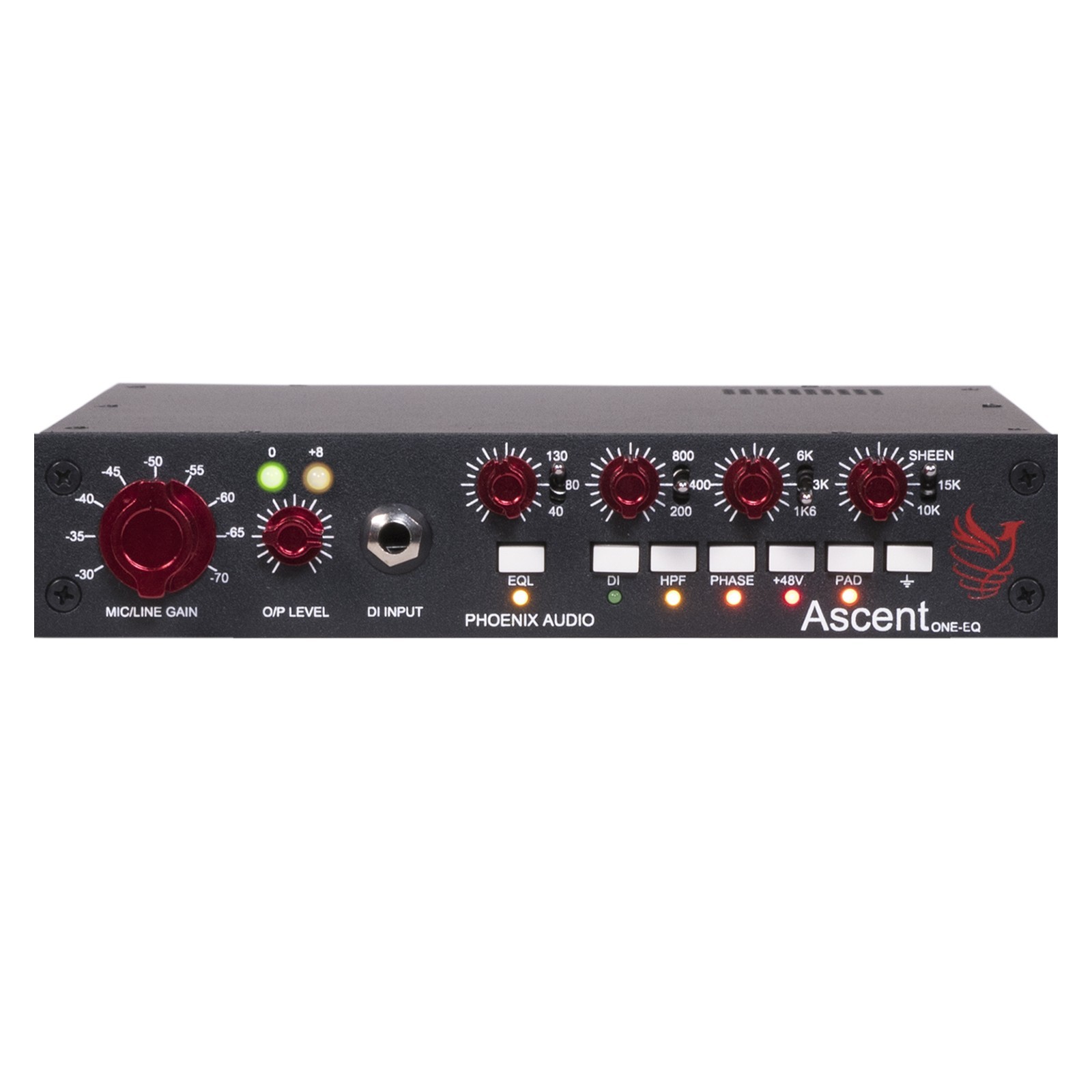
It’s particularly well-suited for monophonic synthesizers, bass synths, leads, analog sequences, and modular sources that require targeted processing right from the recording stage.
The combination of a high-impedance Instrument input, discrete Class A circuitry, and an equalizer allows you to shape the sound while preserving the instrument’s original character.
Discover the Phoenix Audio Ascent One EQ
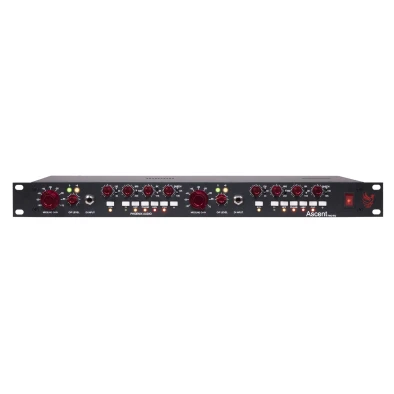
For those who need a stereo solution or want to process two sources simultaneously, the Phoenix Audio Ascent 2 EQ offers two dedicated channels.
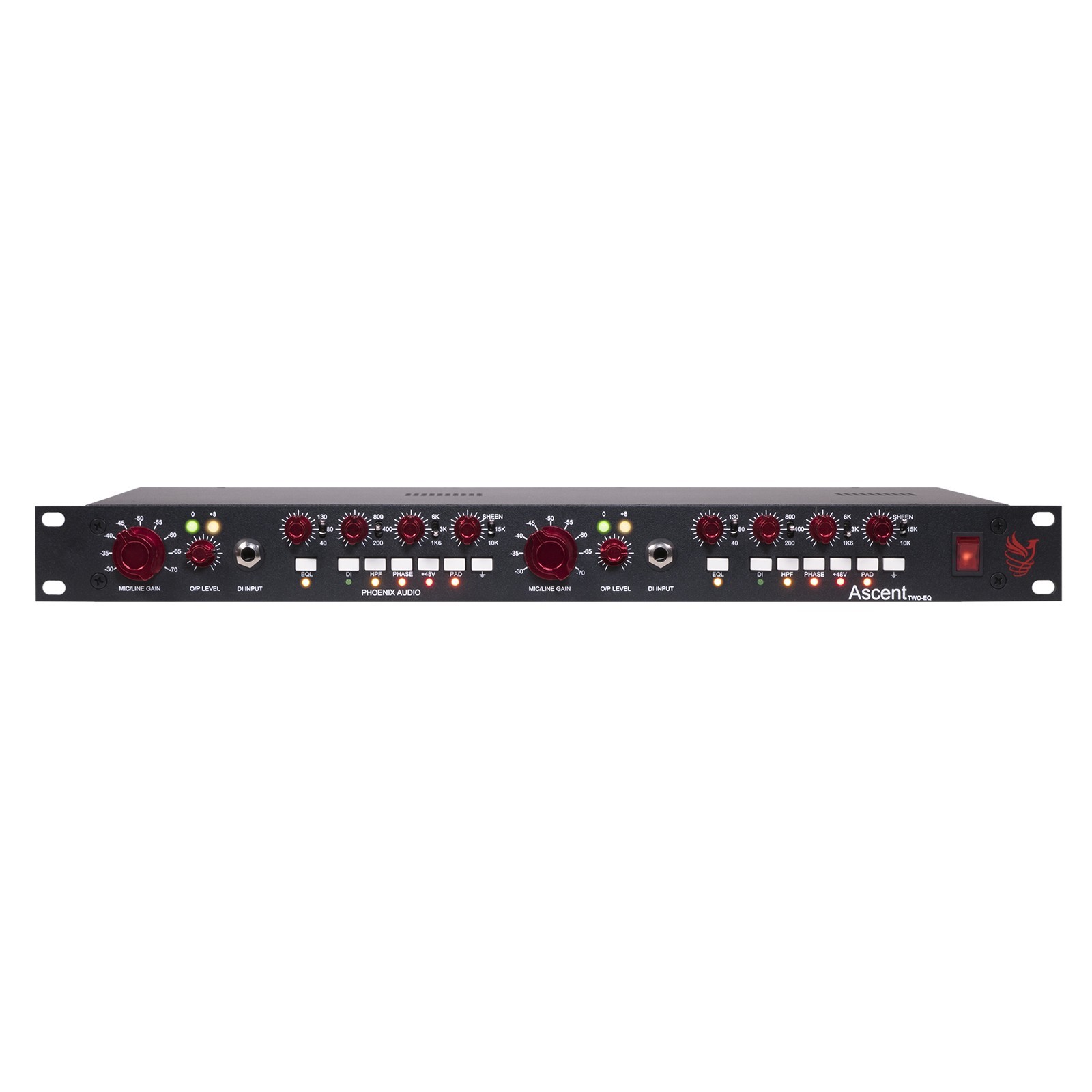
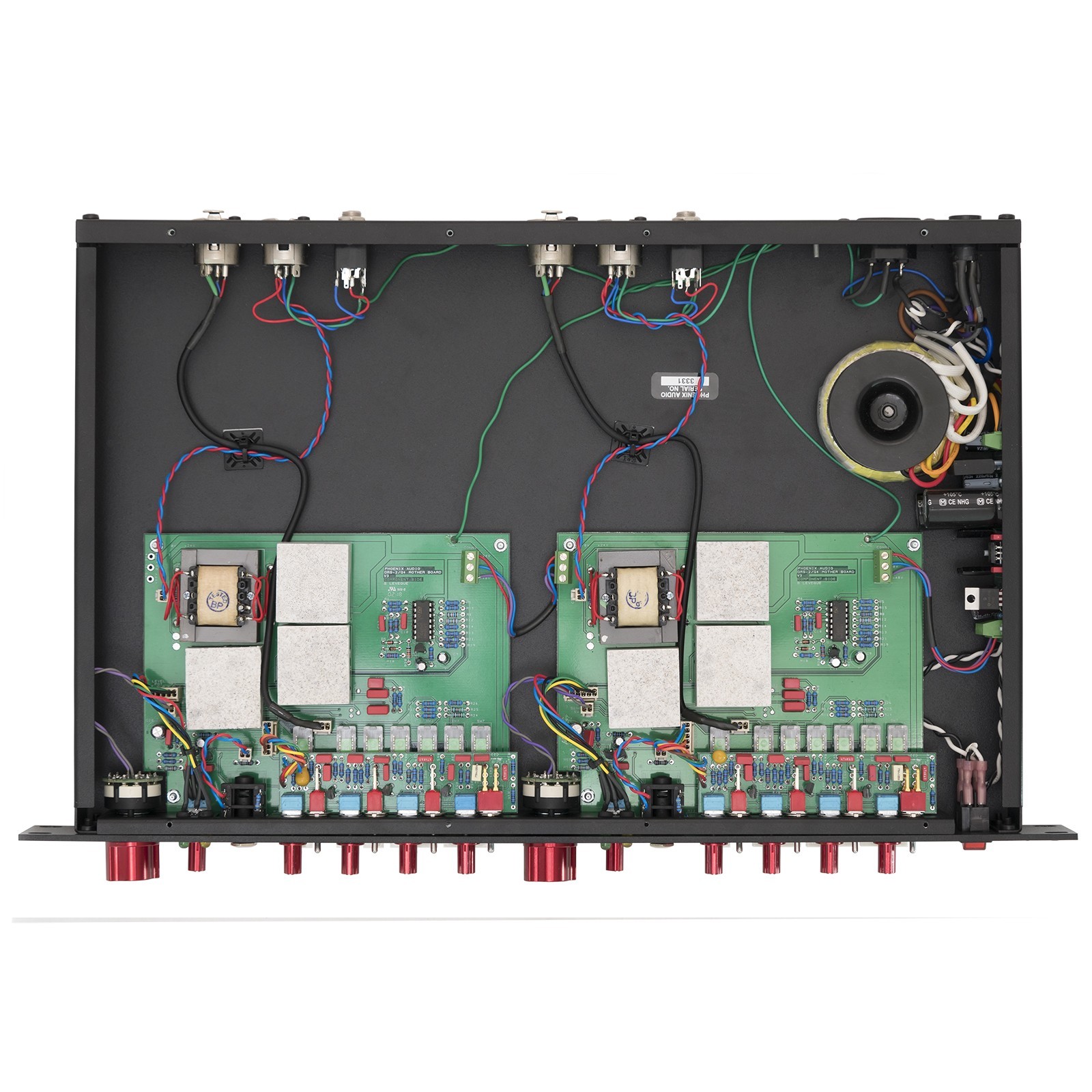
It’s particularly well-suited for stereo synthesizers, workstations, drum machines, stereo effects, and instrument buses.
The combination of ultra-high-impedance Instrument inputs, discrete Class A circuitry, and the Phoenix Audio equalizer allows for detailed recordings and refined EQ adjustments while preserving the instrument’s character.
Discover the Phoenix Audio Ascent Two EQ
The choice depends mainly on the number of instruments you want to record and the type of tone control you’re looking for.
Setups based on hardware synthesizers have become increasingly complex. Recording multiple instruments simultaneously requires DIs and preamps capable of preserving the original quality of the sources without compromising their character.
With products such as Theata, Nice DI, N-8 DI, Ascent One EQ, and Ascent 2 EQ, Phoenix Audio offers a range of solutions that share a feature rarely found in the industry: a 10 MΩ Instrument input.
This exceptionally high impedance is designed to allow the synthesizers’ output circuits to operate under ideal conditions, resulting in recordings rich in detail, dynamics, and depth.
Input impedance isn’t just a technical specification listed on a product sheet. It’s one of the factors that determine how an instrument interacts with the recording system.
With 10 MΩ Instrument inputs, Phoenix Audio offers solutions capable of preserving the harmonic content, dynamics, and transient response of even the most demanding synthesizers.
Added to this feature are the brand’s discrete Class A circuitry and output stages, which allow the recording chain not only to capture the signal but also to enhance its musical character.
For users of hardware synthesizers, Eurorack modular systems, drum machines, or high-end electronic instruments, the Theata, Nice DI, N-8 DI, Ascent One EQ, and Ascent 2 EQ represent benchmark technical and sonic solutions.
Discover the Phoenix Audio lineup available at Milk Audio Store
Related Products
Join us today and get 5% off your next order!
Empty cart
