Recording, Mixing and Mastering
Published on 30/03/2026


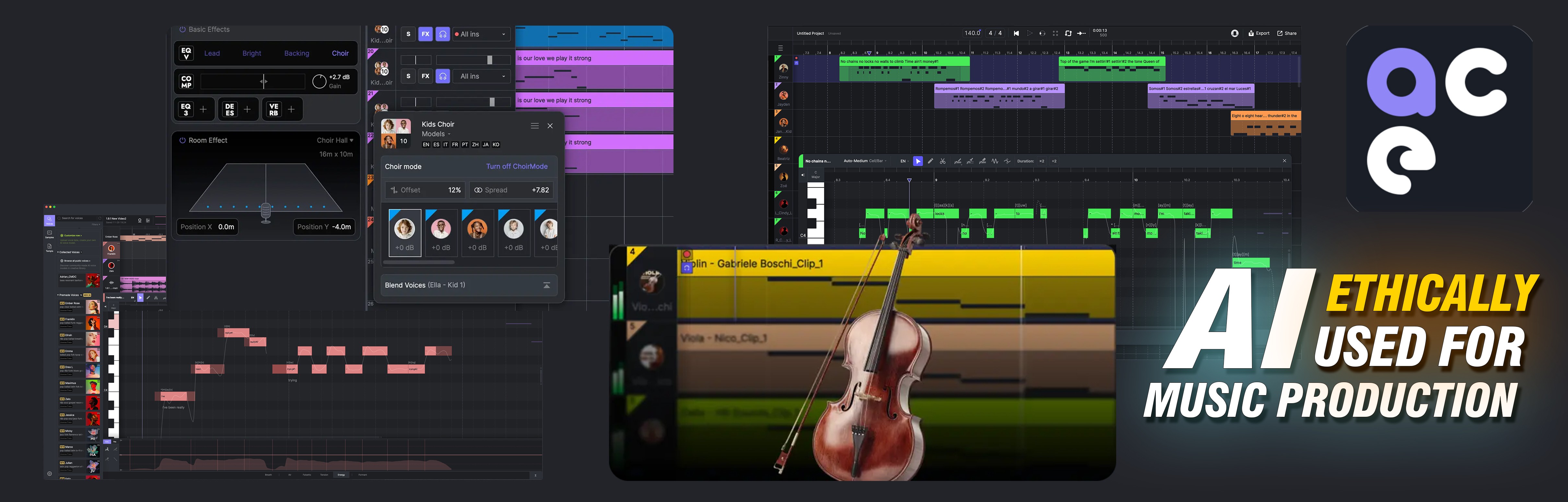
ACE Studio is one of the most interesting names in artificial intelligence-assisted music production. But for those who actually work with arrangements, demos, sound design and pre-production, the right question is not whether AI can replace a singer in the studio. The right question is another: can it become a useful tool for better writing, faster production, and opening up new creative avenues without distorting the role of the human performer?
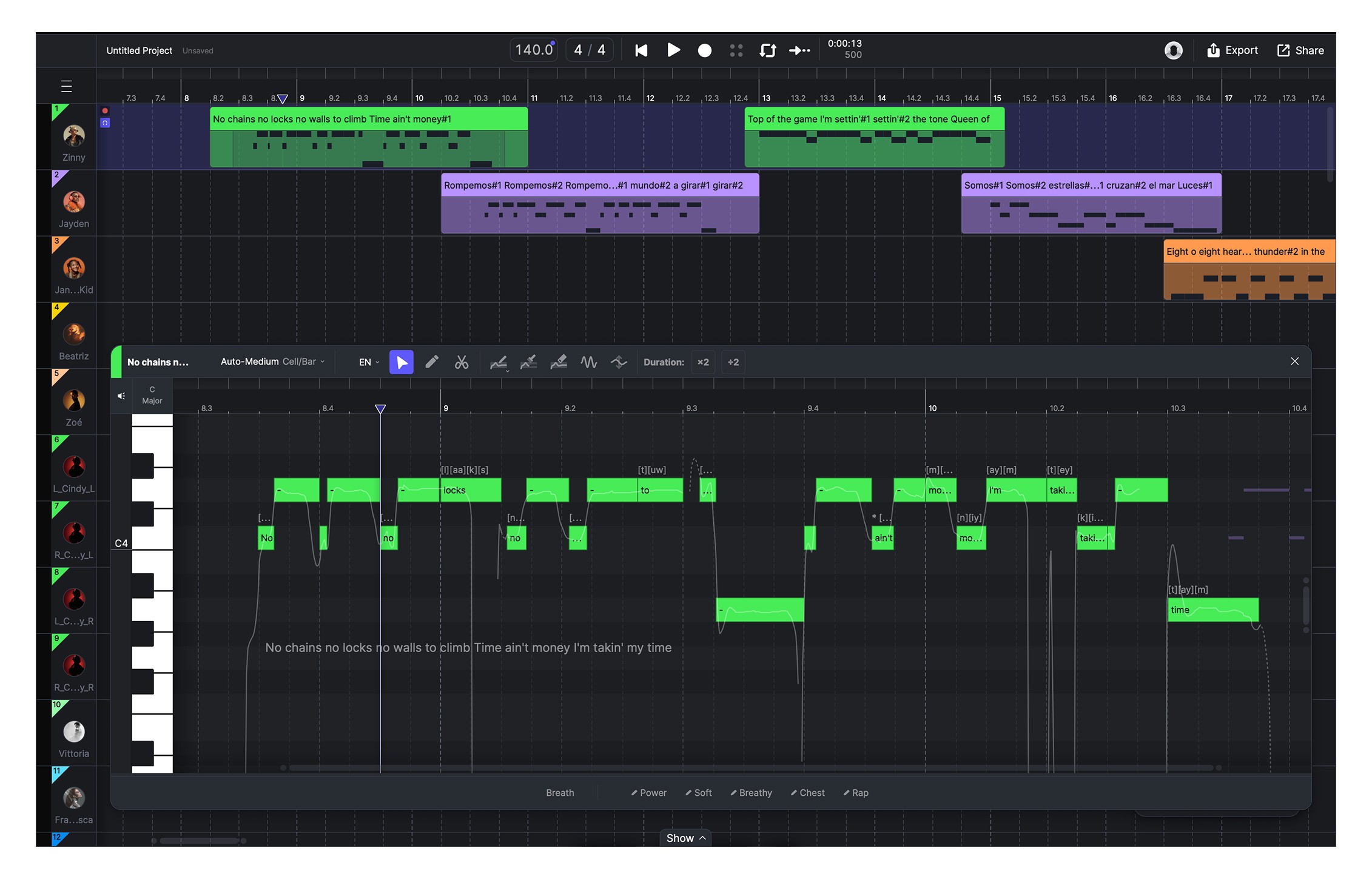

ACE Studio is a dedicated AI music production platform that brings together MIDI singing voice generation and lyrics, vocal transformation, AI-based virtual instruments, voice cloning, and video scoring-related functions. The strong point is not only the quality of the voice synthesis, but the idea of offering a coherent working environment for producers, composers, songwriters and content creators.
This distinguishes it from software created around a single function. Here you don't just find an artificial voice singing a melody, but an ecosystem that tries to really fit into the production workflow: writing, topline testing, arranging, timbre variations, mockups, exporting, and DAW integration.
For those who work in the studio or produce in the home studio, the interest is obvious: ACE Studio can help move faster from idea to credible draft. And when a draft becomes convincing enough to suggest dynamics, phrasing, harmonies, and interlocking with the beat, then the creative value of the tool becomes real.
It is worth making it clear right away: software like ACE Studio does not erase the value of a real vocalist. A real singer brings more than just intonation or timing. He brings intention, reaction, interpretation, microdynamic nuances, presence, interesting human error, improvisation, and above all, dialogue with the producer.
In a real session, the singer is not a "take generator"-he is part of the construction of the song. He changes the weight of a word, suggests an alternative melody, pushes a syllable early, dirties a note just right, turns a demo into a performance.
That is why the most sensible way to read ACE Studio is another: not as a replacement for the human voice, but as a support tool for all those stages where you need to test, sketch, produce, arrange or present an idea in a way that is already far more advanced than a provisional guide.
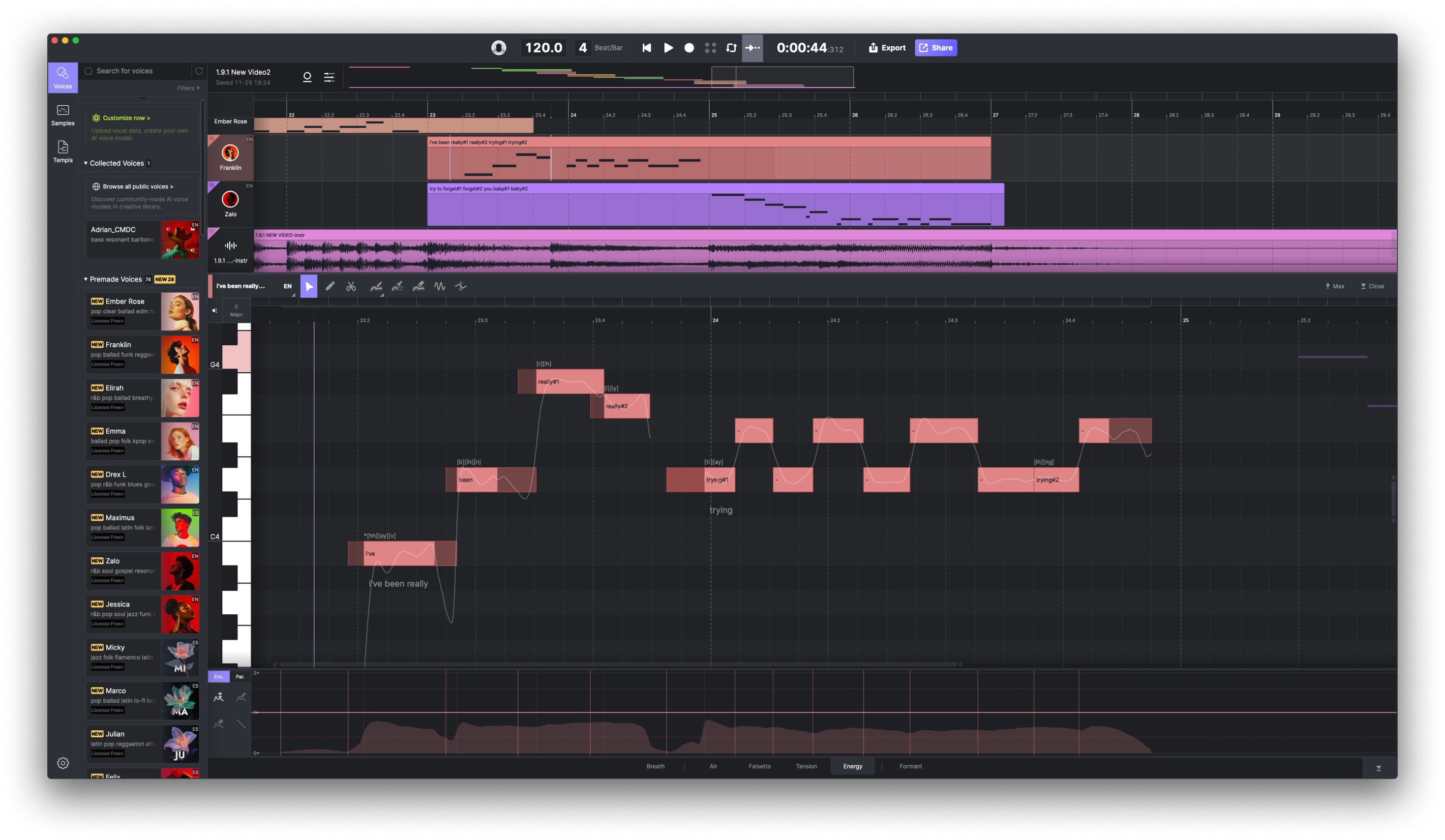
The core function of ACE Studio is the Singing Voice Generator from MIDI and text. The workflow, on paper, is simple: enter a melody line, add lyrics, choose a voice, and then work on the interpretation. In practice, however, the strength of the system lies in how far you can go beyond a simple draft.
ACE Studio allows you to start from MIDI notes and lyrics and turn them into a controllable sung performance. This means that the voice is not treated as a static block, but as a musical material on which to act.
If you work on electronica, contemporary pop, columns, media content, or creator music, this feature can become very practical. Particularly when you need to quickly validate a melody or figure out if a hook really holds up before moving on to a full vocal session.
The value is not just in "making the software sing," but in being able to intervene in the result. ACE Studio claims control tools on pitch, breaths, dynamics, articulation, pronunciation, and shaping expressiveness. It is precisely this part that makes the tool more attractive to producers than simple automatic generation.
The more the software allows you to sculpt a phrase, the more it moves away from the demo-gadget effect and closer to a real working tool. The practical advantage is obvious: you don't have to passively accept the first result, but you can refine the behavior of the voice musically.
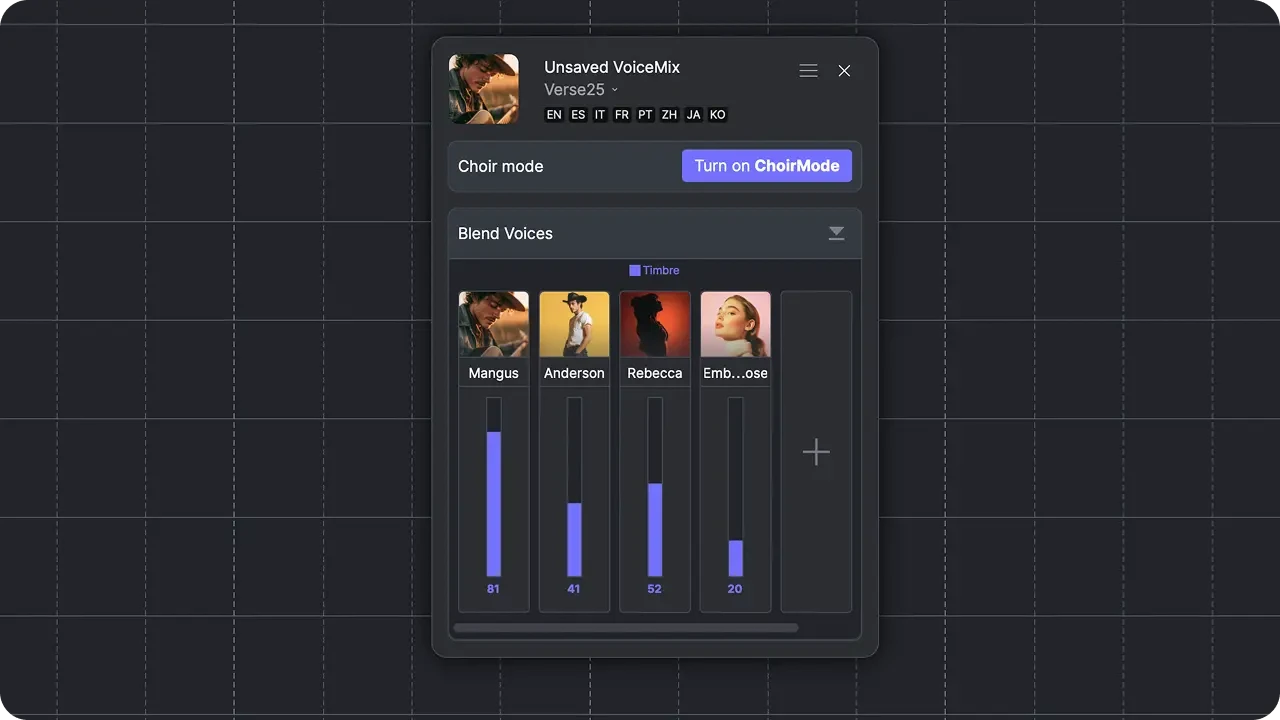
An interesting part of the system is the ability to work with virtual choirs and voice blending.
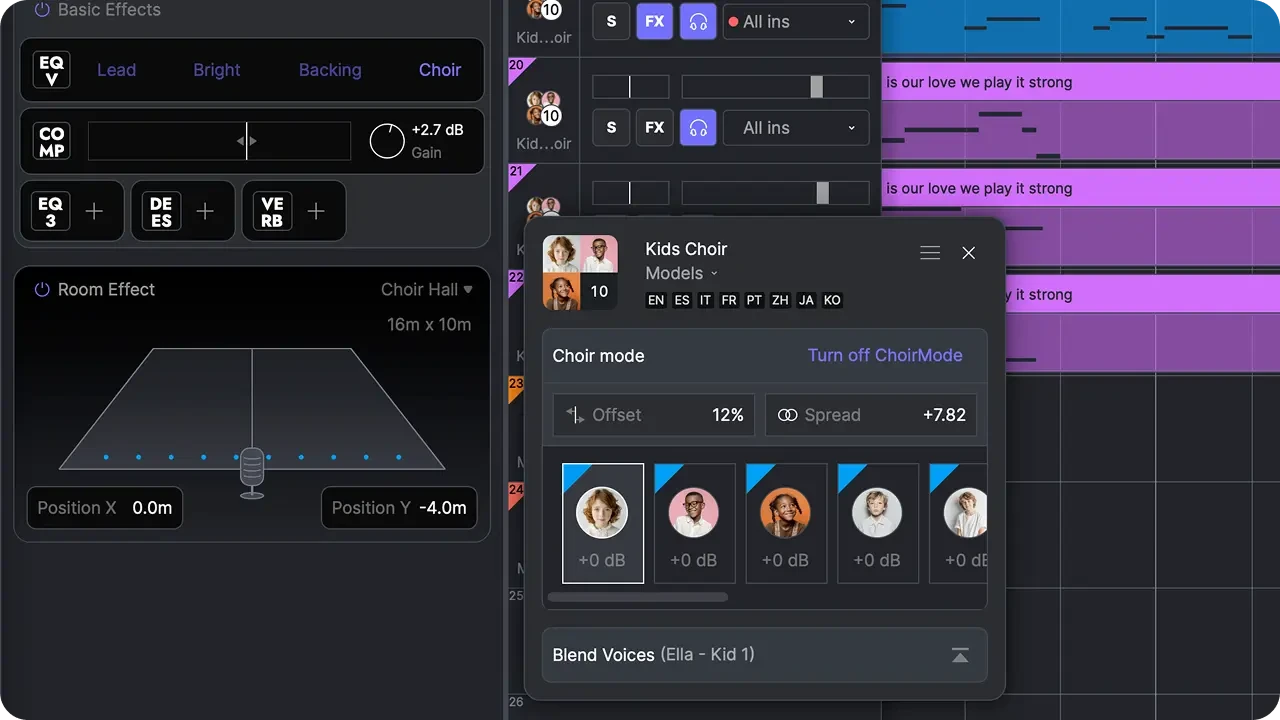
For those producing vocal arrangements, choral pads, pop stacks, kinematic layers, or complex harmonizations, this feature opens up a useful space. Not so much for replacing a real choir in every context, but for quickly building harmonic scaffolding and textures that would otherwise take much longer.
Another important function of ACE Studio is the Voice Changer. Here the idea is different from the classic vocal synth: you don't start from MIDI and lyrics, but from an existing or recorded vocal track on the fly, to transform it into another vocal identity or, in some cases, an instrumental timbre.
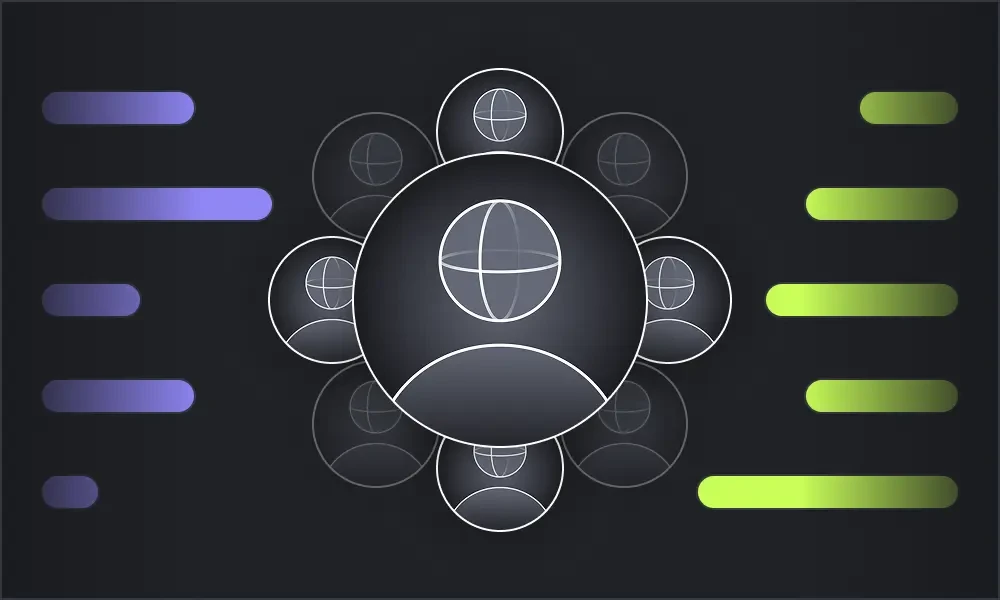
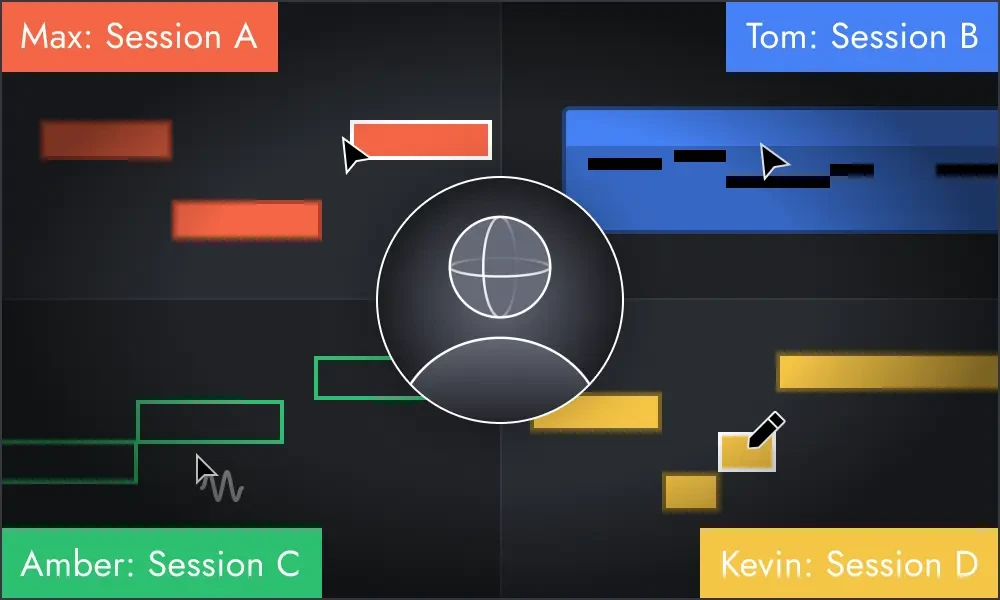
For many producers, this can be one of the most practical functions. Have you recorded a draft, already have a phrasing that works, but want to test another color, another perceived register, or another stylistic direction? Instead of redoing everything, you can use the performance as a base and change the timbral result.
Here again, however, the argument remains the same: very useful as a creative and productive support, much less interesting if you consider it an absolute shortcut that makes a real voice unnecessary. The risk, in that case, is to flatten the identity of the piece instead of strengthening it.
Many people talk about ACE Studio almost exclusively as vocal AI software. In reality, the AI Instruments section is one of the most strategic parts of the entire ecosystem. The idea is to generate realistic instrumental performances from MIDI, with a more natural and less rigid behavior than many traditional libraries handled in a standard way.
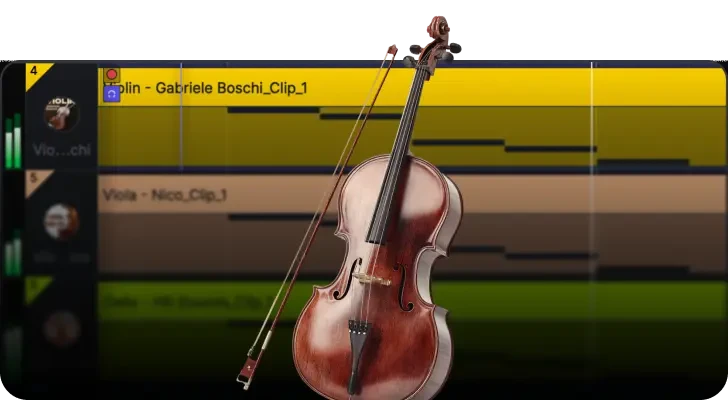
If you're working on mockups, quick arrangements, production by images or compositional sketches, this is a major advantage. Not because it erases the value of orchestral libraries, classical virtual instruments, or real instruments, but because it can speed up the phase where you have to figure out right away if a part works.
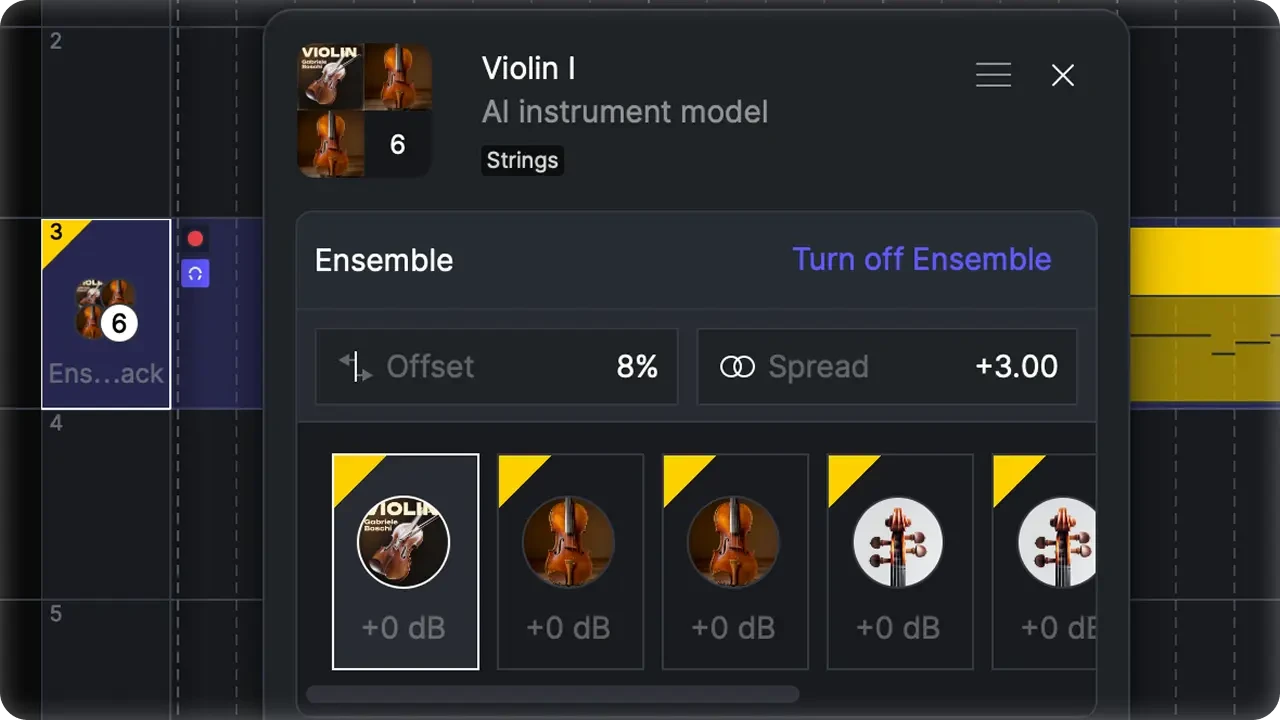
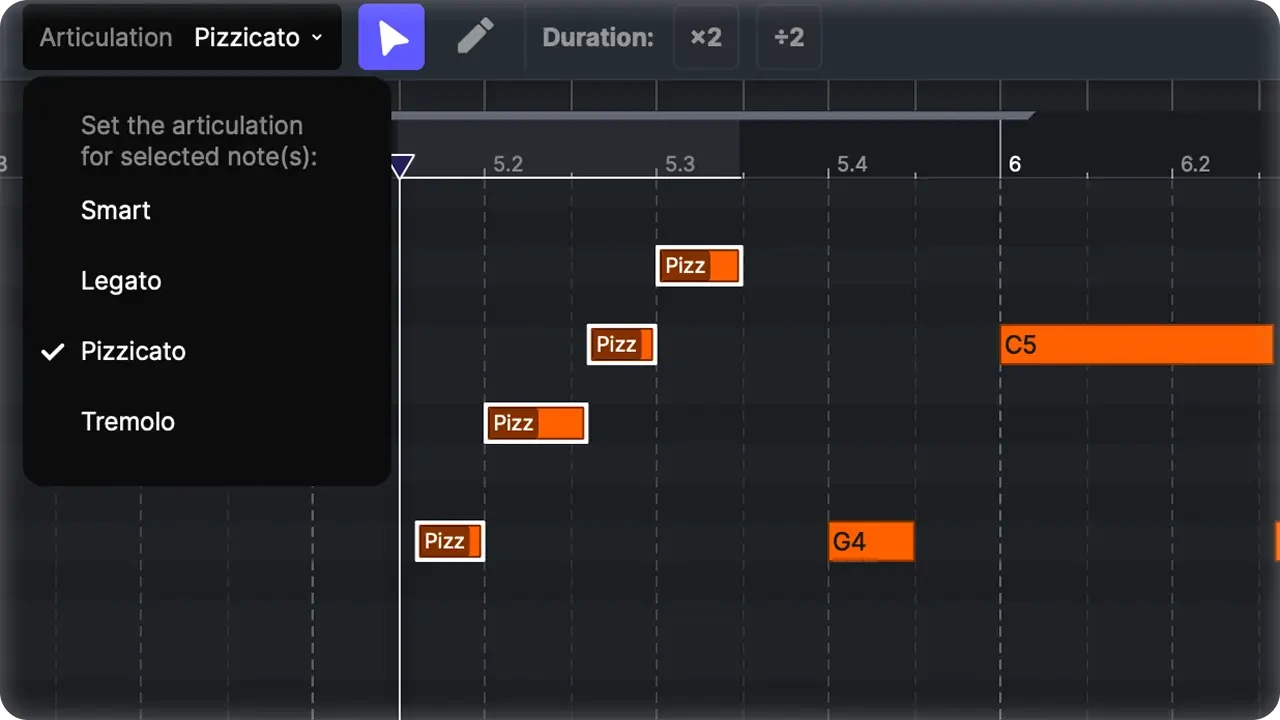
Of course, it must be read realistically. In top-notch orchestral productions, in arrangements where every inflection of the bow counts or where a real musician can change the meaning of a phrase, the question remains open. But as a supporting tool, especially in composition, the idea is strong.
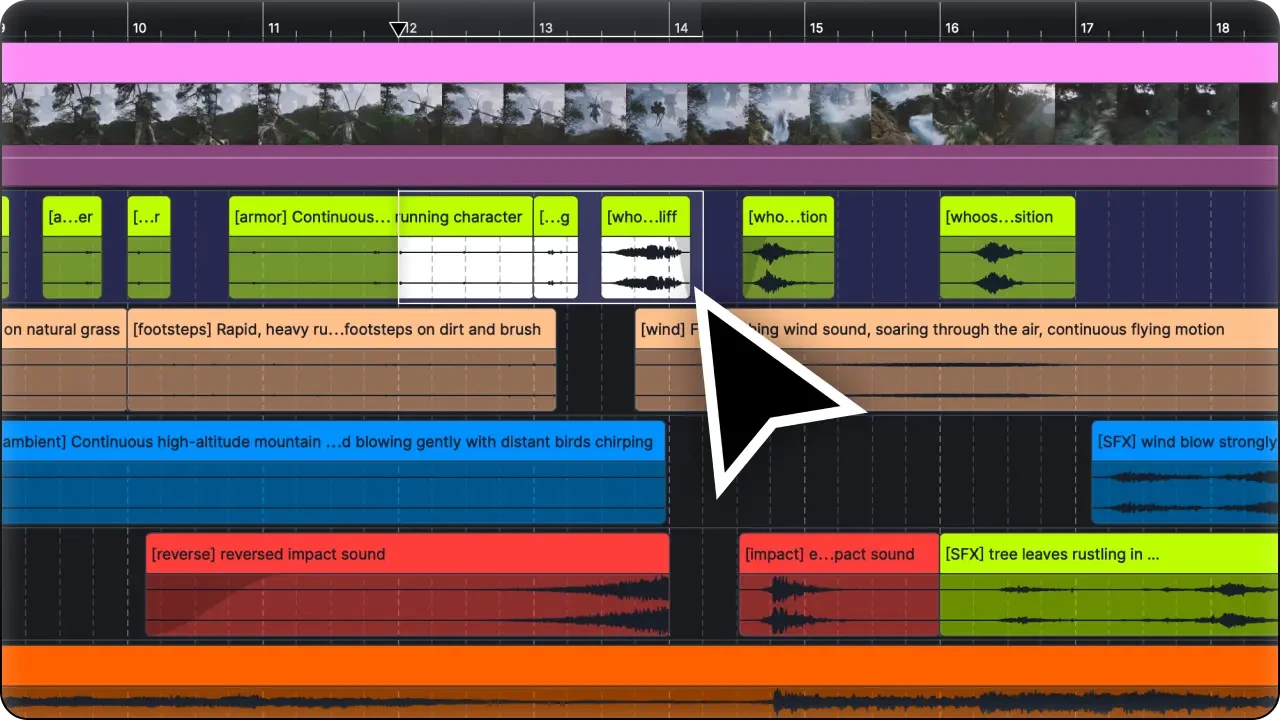
ACE Studio also includes a function dedicated to the relationship between audio and video. The Video Composer is designed to generate soundtracks and sound effects in relation to images. For producers, content creators, sound designers and realities working on online content, this section greatly expands the software's scope of use.
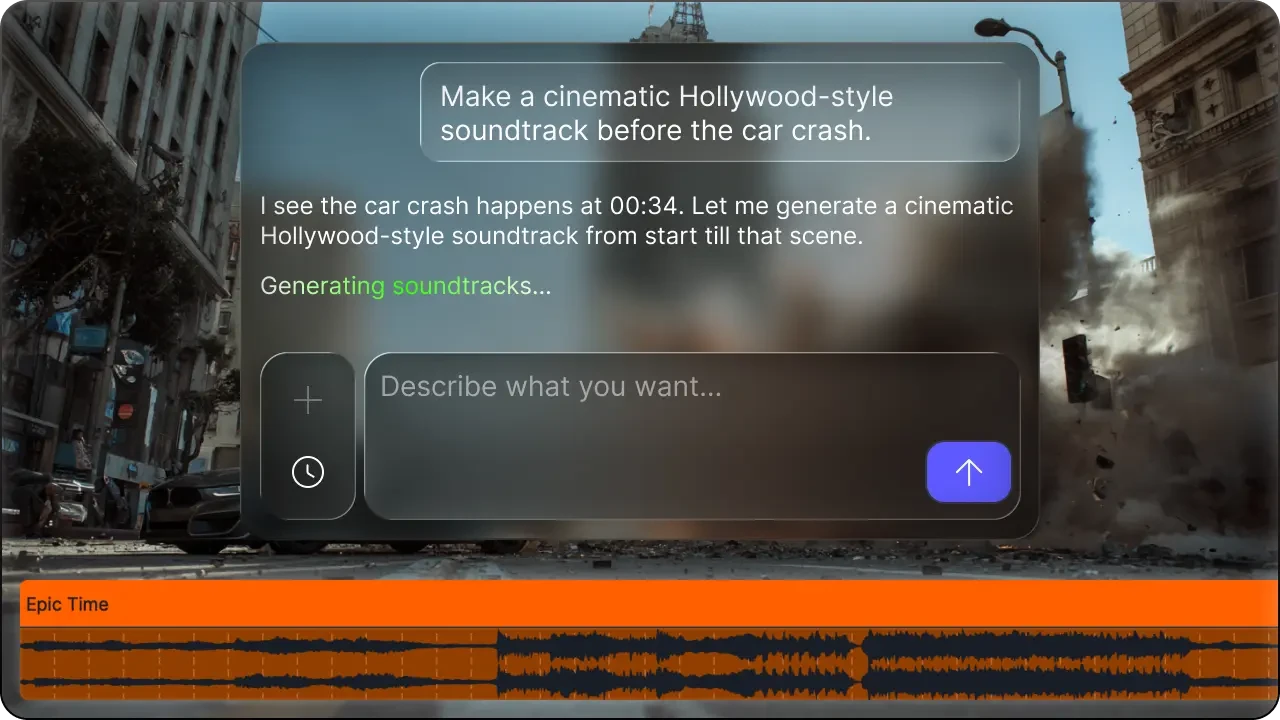
Here ACE Studio stops being just a tool for "making a machine sing" and tries to become a broader production platform, also suitable for those working with audiovisual content, teasers, promos, shorts, visuals, video demos or quick synchronizations.
Logic, again, remains interesting when used well: not as a magic button that replaces the composer or sound designer, but as an operational assistant that speeds up the early stages, suggests directions, and produces material for refinement.
The part devoted to voice cloning is perhaps the trickiest and most fascinating. On the one hand there is the possibility of creating a custom AI voice, linked to a specific artist or project. On the other, there are all the artistic, ethical and production implications involved.
In a positive sense, voice cloning can become a powerful tool for:
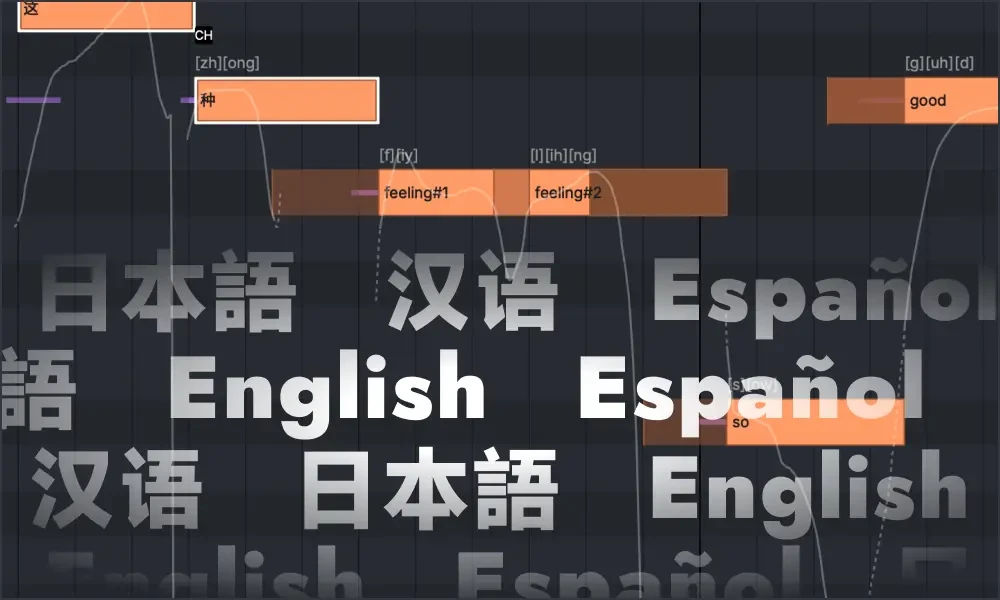
In a less naïve sense, it is also the function that requires the most clarity. A voice is not just a sound: it is an artistic, human, and identity marker. Therefore, talking about custom voice in a serious way always means holding creativity, consensus, licensing and responsibility together.
In a context like Milk Audio Store, the right way to tell about this function is to emphasize its productive and creative value, without slipping into the superficial narrative of "no more singers will be needed." This is neither the most useful nor the most credible direction.
This is precisely the strongest point: ACE Studio can become the bridge between idea and real production. Not necessarily the end point, but a much more useful step than the traditional rough draft.
Pitting ACE Studio against a real singer in a dry comparison risks missing the point. In practice, the two approaches can coexist.
| Scenario | ACE Studio | Singer in the studio |
|---|---|---|
| Quick topline writing | Very effective | Less immediate if vocalist not available |
| Demo and pre-production | Excellent tool | Excellent, but more session-intensive |
| Deep emotional interpretation | Limited compared to human | Main reference |
| Timbral experimentation | Very fast | Depends on voice, artist, and available time |
| Creative interaction in session | Absent as human presence | Fundamental |
The conclusion, then, is not "better this" or "better that." The more useful conclusion is: ACE Studio works very well when it helps the musician, producer, or composer work better. It works less well when it is loaded with an ideological promise that it really fails to deliver today.
The most interesting side of ACE Studio is not simple automation. It is the idea of being able to stay in the creative flow longer. Those who produce know that often the most fragile idea is also the most important: just interrupt it too soon and you lose it. If a tool allows it to be quickly fixed in an already compelling form, then it is not trivializing creativity: it is protecting it.
This is perhaps the correct way to read ACE Studio today. Not as a shortcut that eliminates craft, but as a support that smooths the transition from intuition to real work.
ACE Studio is one of the most interesting pieces of software in the current AI music production landscape because it is not limited to a single function. It combines vocal synth, voice changing, AI instruments, custom vocals, and additional tools within an ecosystem designed for creative work.
Used well, it can become a great companion for writing, production, and pre-production. Used poorly, it risks being read as too extreme a promise, that of replacing the singer in the studio and simplifying to the point of emptying. It is a reading we do not share.
In the real musical world, the more interesting direction is another: using technology to expand possibilities, speed up workflow and generate new ideas, but leaving the human component at the center of the artistic experience.
And it is exactly in this hybrid, concrete, creative space that ACE Studio makes the most sense today.
If you want to integrate ACE Studio into your production, songwriting, or sound design workflow, you can delve deeper into the product and evaluate it as a creative tool to complement your setup. The point is not to replace the artist, but to have an extra tool to produce better, faster and with more possibilities.
Related Products
Join us today and get 5% off your next order!

Empty cart
