
Events and News
Published on 16/06/2026


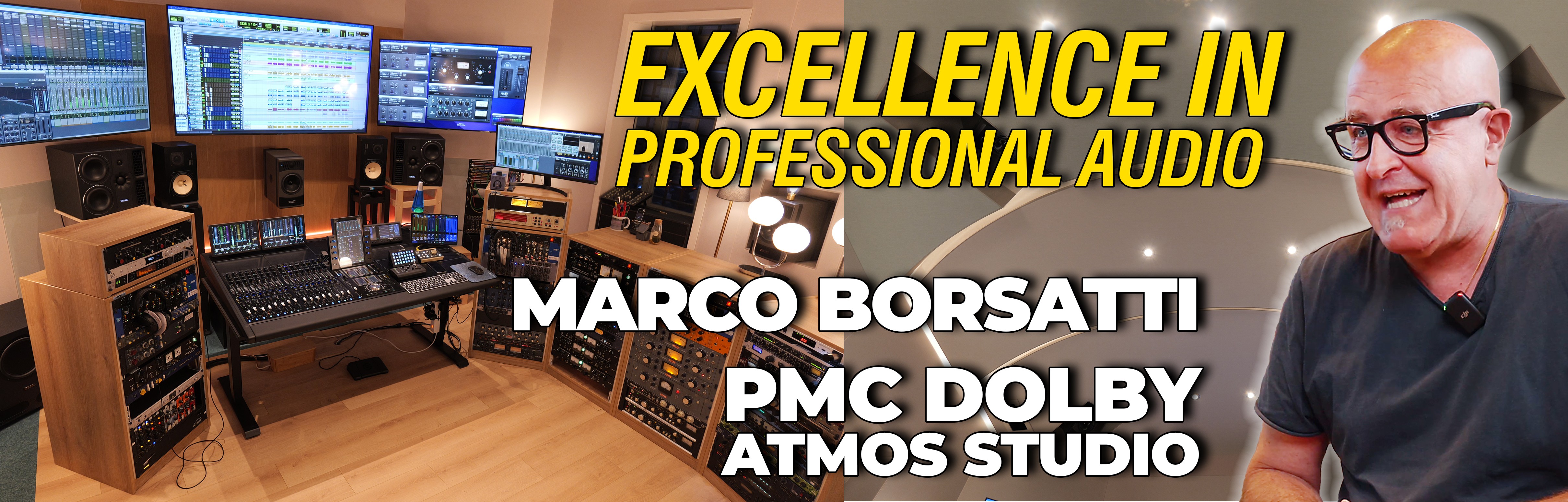
With this video, we launch a new series dedicated to Italian excellence in the world of professional audio.
Our first guest is Marco Borsatti, a leading figure in the Italian music production scene, who welcomed us to his new Dolby Atmos studio in Bologna, equipped with PMC monitors.
The interview is a journey through the evolution of professional audio: from tape recorders to analog studios, all the way to modern immersive productions in Dolby Atmos. Marco discusses his career path, the studio’s design, the acoustic work carried out with Donato Masci and Studio Sound Services, and why he chose PMC as the reference system for his studio.

Marco Borsatti began working in audio when the recording world was still dominated by tape recorders, analog studios, and an extremely hands-on approach to the signal. During the interview, he recounts his early experiments as a teenager, leading up to his professional experience in a studio in Bologna, where he also worked with Celso Valli.
That technical training—involving calibrating equipment, monitoring signals, and studio sessions with major Italian artists—became the foundation of his current approach: understanding sound in depth even before technology.
“The best part was the knowledge and having to calibrate the equipment almost every day, understanding the entire workflow, the entire signal path: it’s something that taught me so much.”
Speaking of Dolby Atmos, Marco immediately highlightsthe most emotional aspect of immersive listening: the ability to be at the center of the music, surrounded by sound elements in a three-dimensional space.
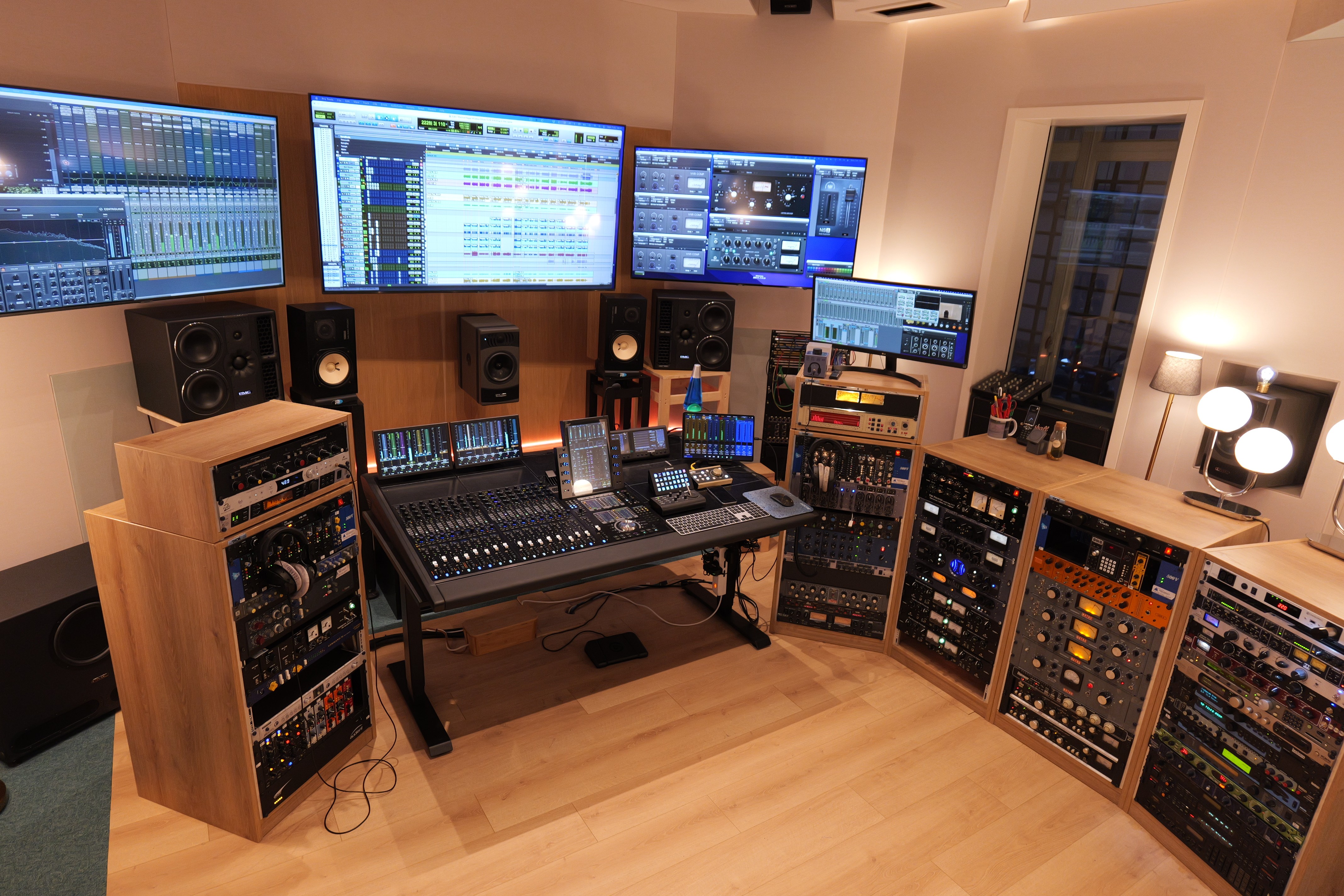
Unlike stereo, where everything must coexist between two speakers, Atmos allows instruments, effects, and ambient sounds to be distributed across a wider sound hemisphere. This reduces masking between elements and makes the arrangement clearer, more detailed, and more engaging.
“The beauty of mixing in Dolby Atmos is spreading all the instruments across 180°, as if we were inside a hemisphere.”
In 2023, Marco built his new studio in the center of Bologna, designed for working in Dolby Atmos with a professional listening system. The room wasn’t simply created as a space filled with speakers, but as a space built around a specific goal: to ensure a reliable, consistent response that translates accurately to other listening systems.
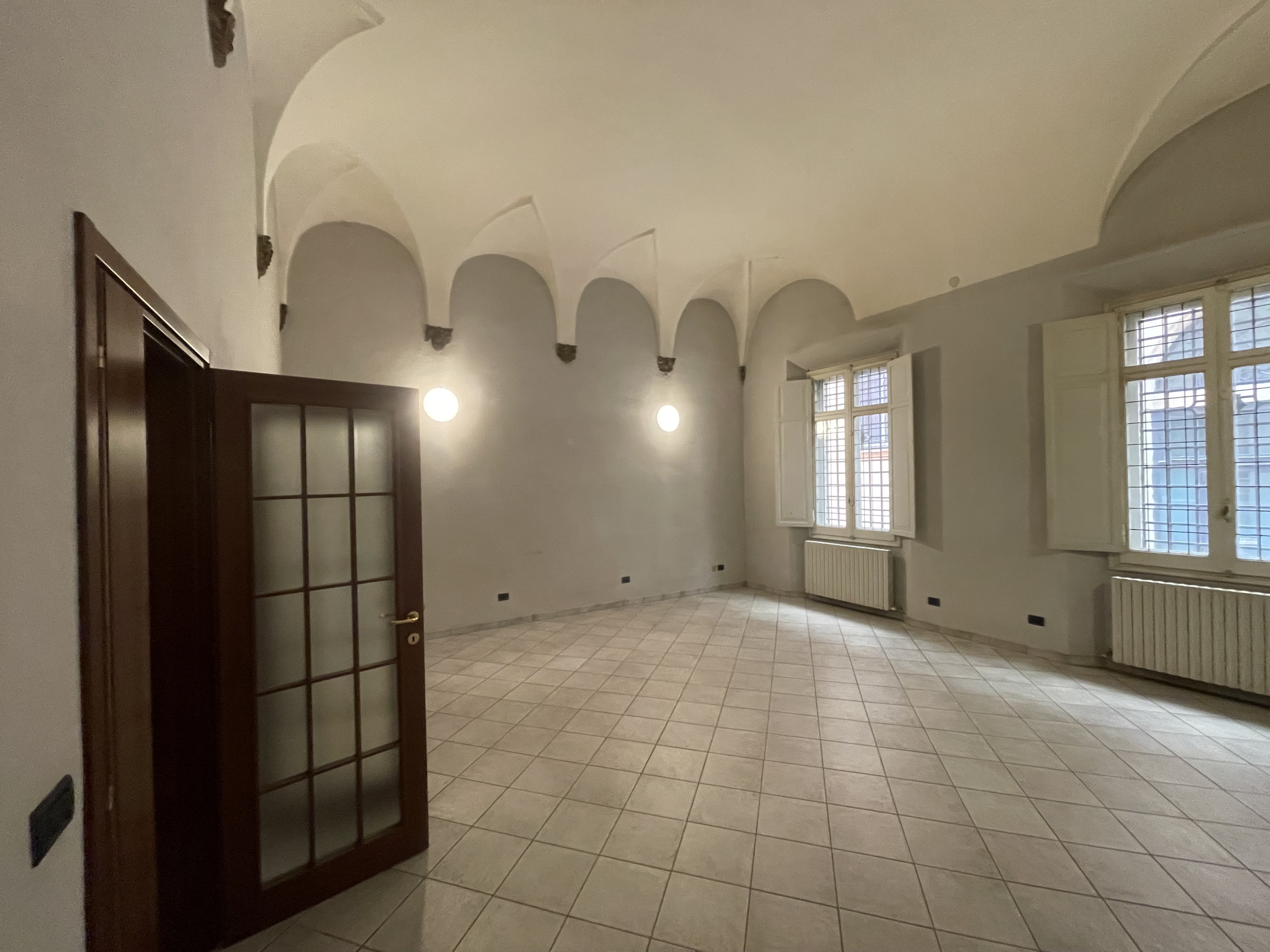
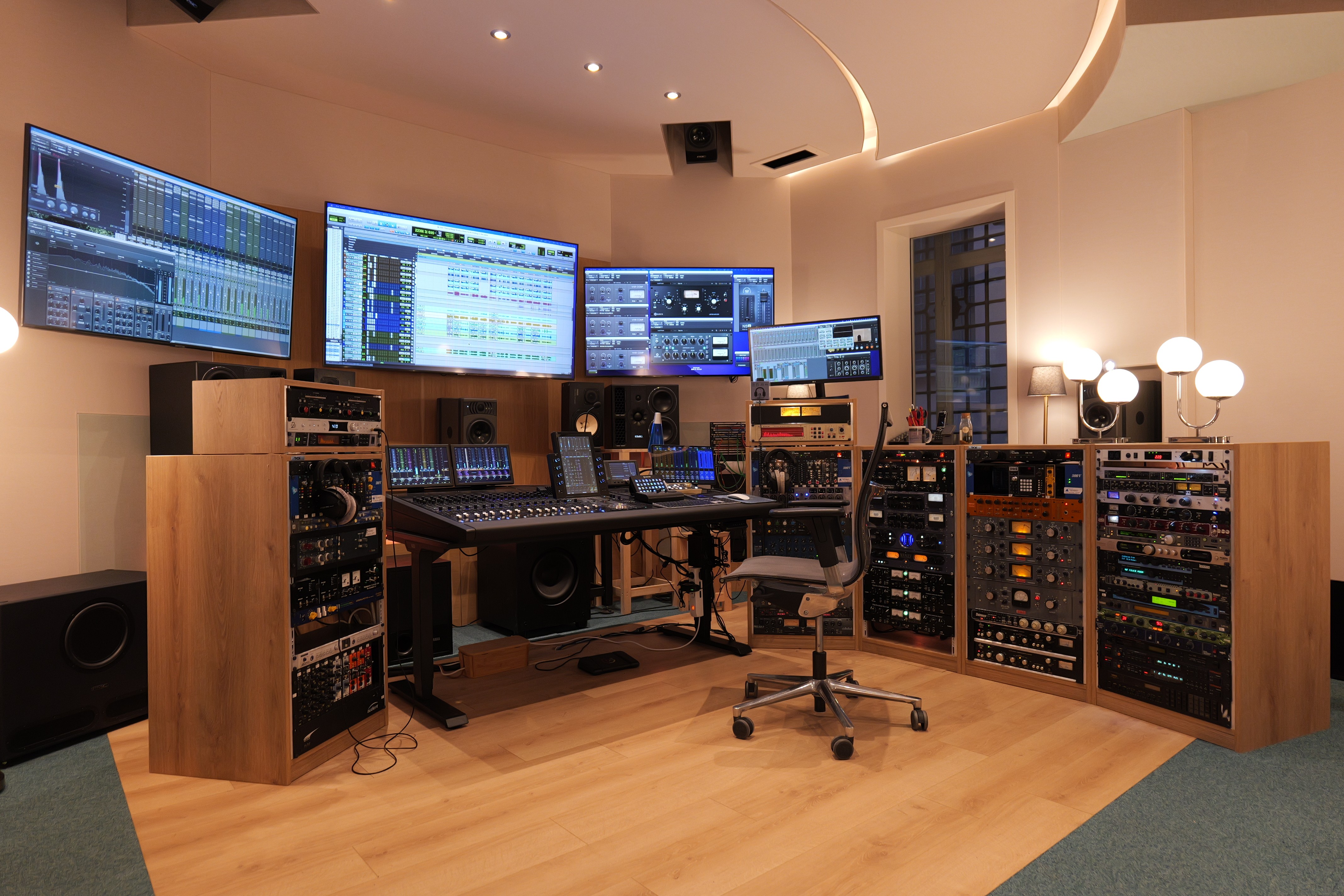
For Marco, a professional listening room must allow for confident decision-making. What you hear in the studio must then be reproduced, with the right proportions, on other systems as well: headphones, soundbars, home audio systems, or professional listening rooms.
A central part of the interview concerns the acoustic design, carried out with Donato Masci and Studio Sound Services. Marco explains that he requested a room capable of delivering the same level of reliability he was accustomed to in the top-tier studios where he had previously worked.
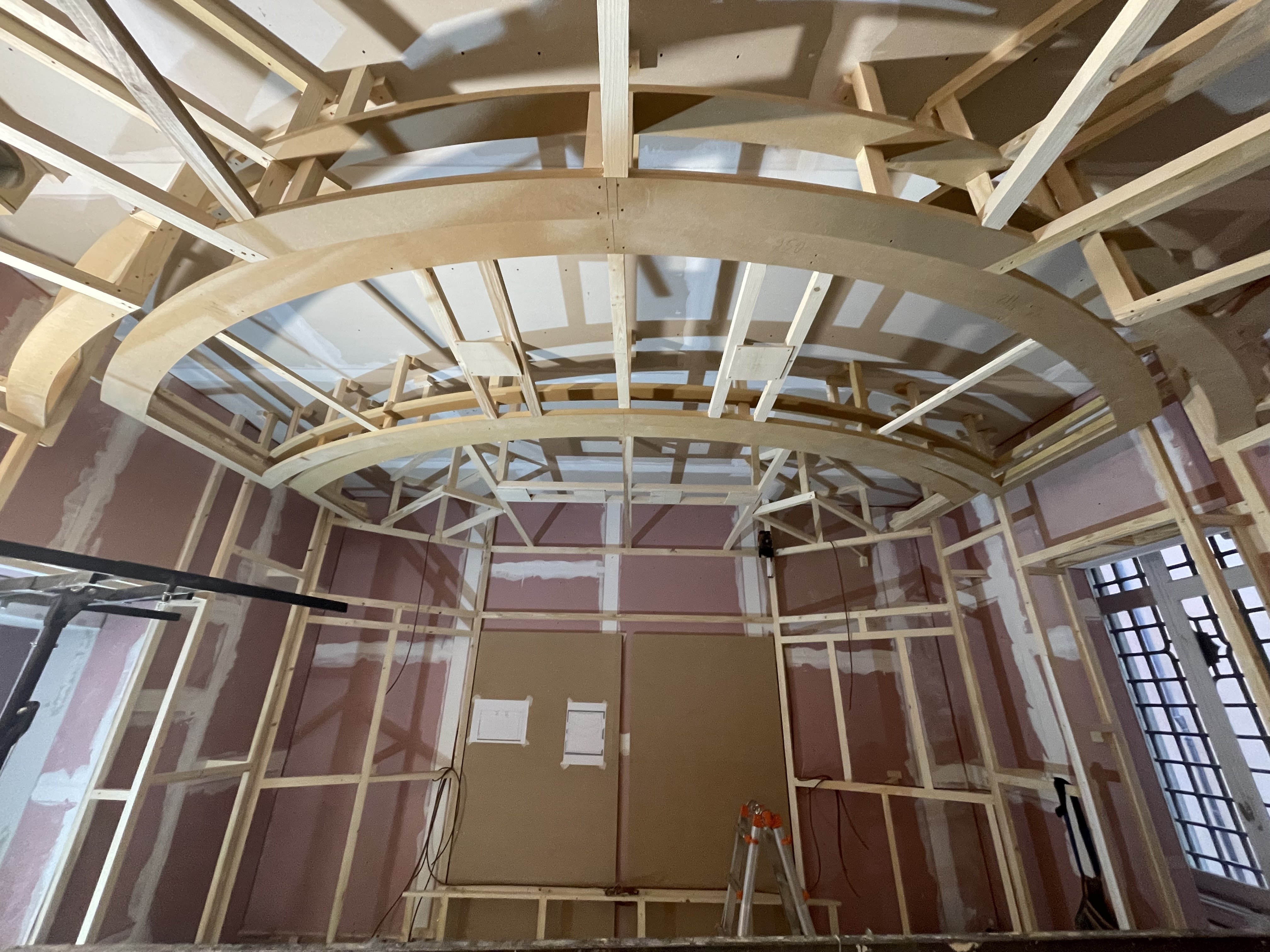
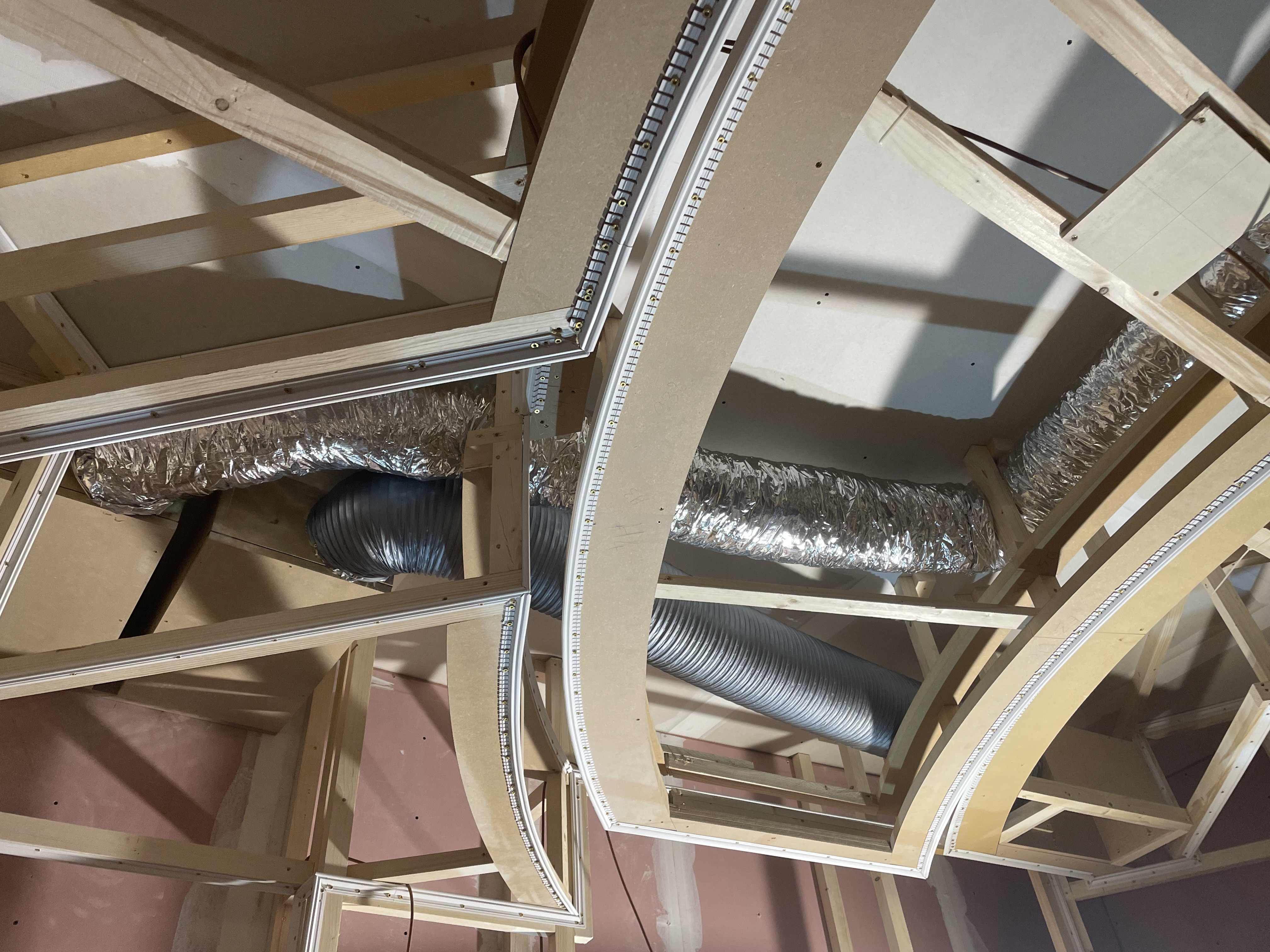
The acoustic work was essential to achieving a linear, controlled, and precise room without having to artificially correct the system with invasive equalization. The result is a room designed to function naturally, where the room’s behavior complements that of the monitors.
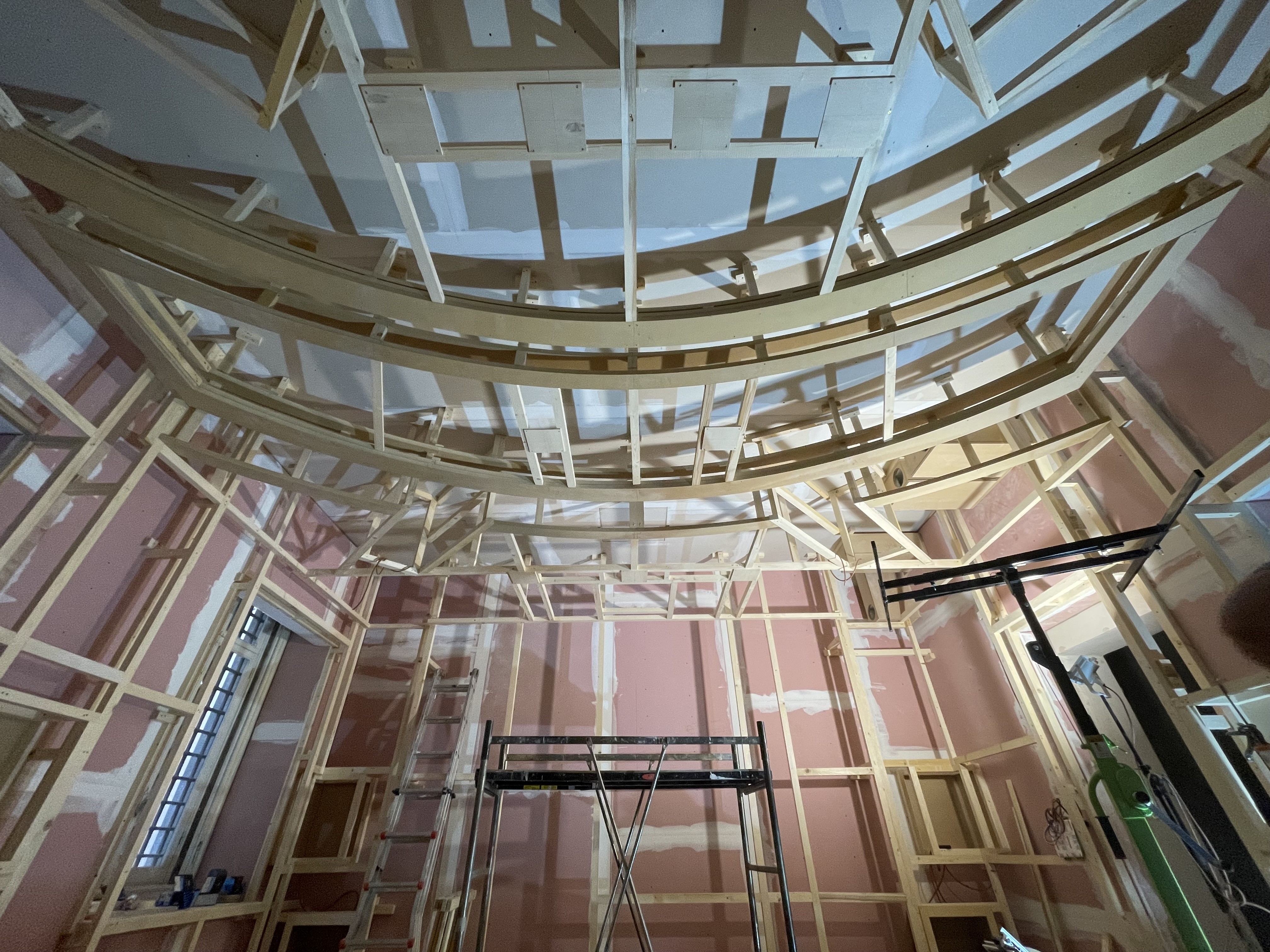
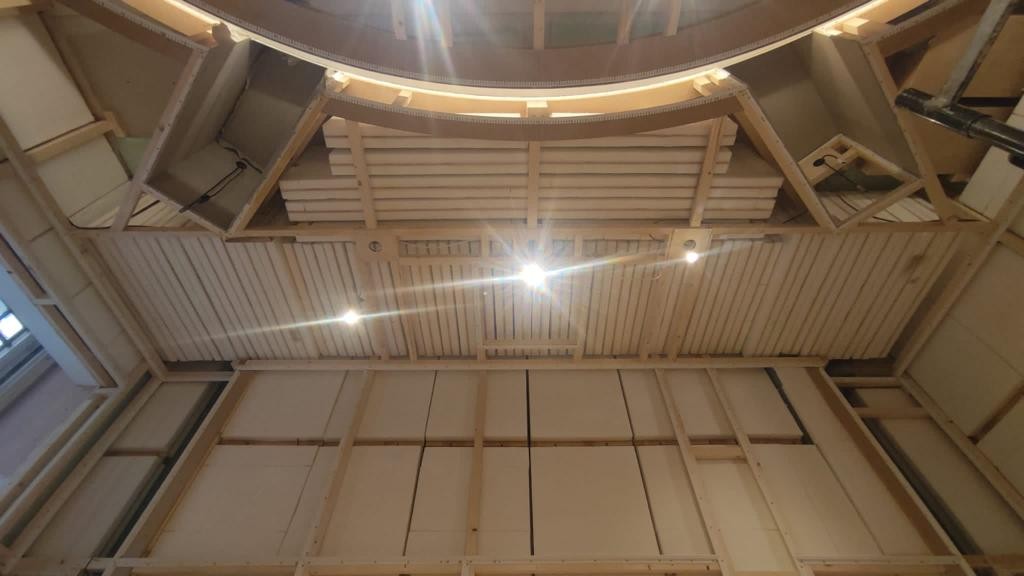
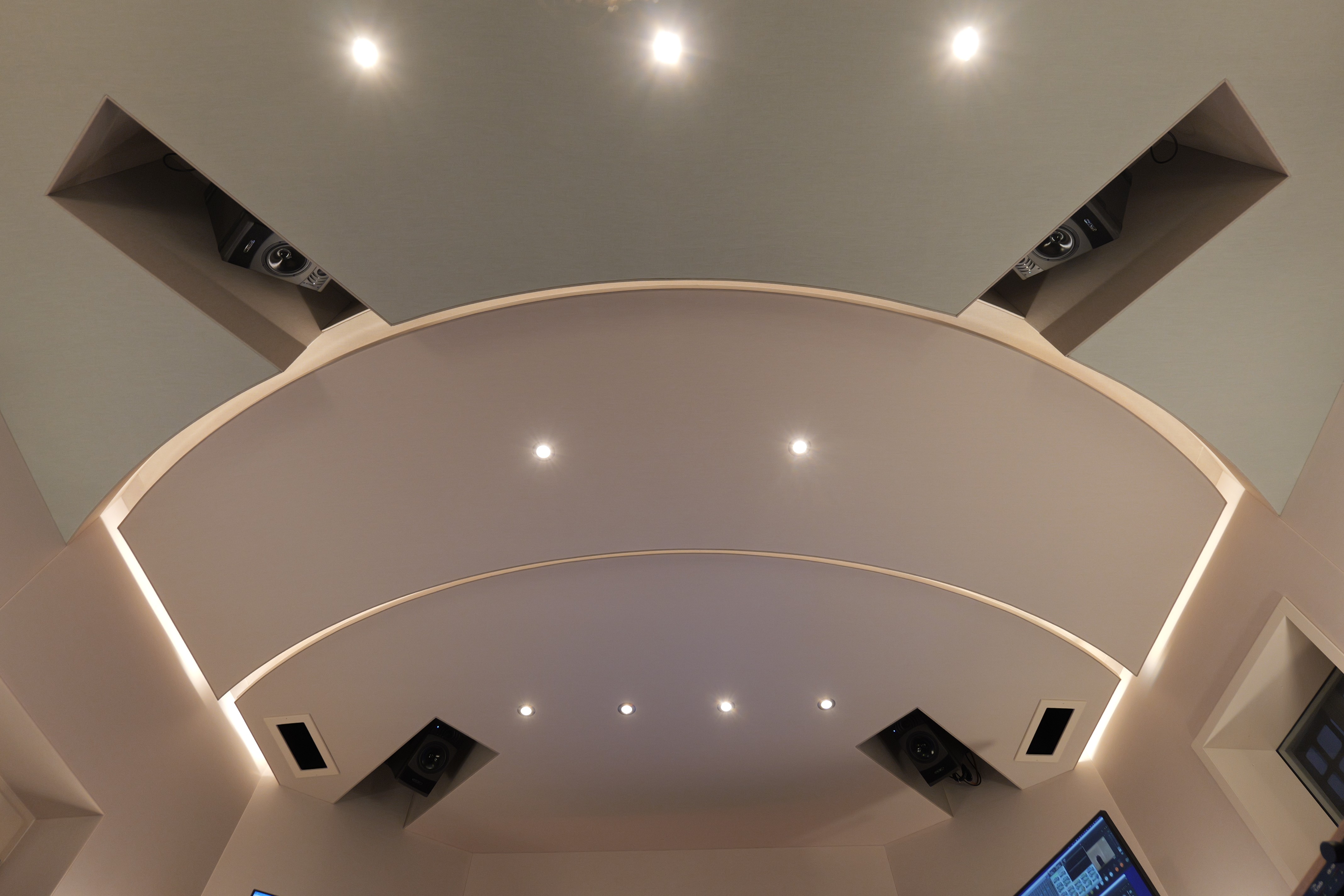
“Now this room is completely flat using only acoustic traps.”
This aspect is particularly important in Dolby Atmos: in an immersive system, every speaker contributes to the construction of the soundstage. If the room isn’t controlled, there’s a risk of losing coherence, depth, and precision in mixing decisions.
The technical heart of the studio is the PMC monitoring system. Marco explains that the choice was not random: he had previously worked with a PMC 5.1 system and had been impressed by its precision, range, and reliability.
When the time came to build the new Dolby Atmos system, he had no doubts about which brand to choose. For him, PMC is the gold standard for professional work, especially when it’s necessary to hear every detail without sacrificing naturalness and coherence.
“When I had to install the new Dolby Atmos system, I had no hesitation in choosing PMC, because to me they are the Rolls-Royces of speakers.”
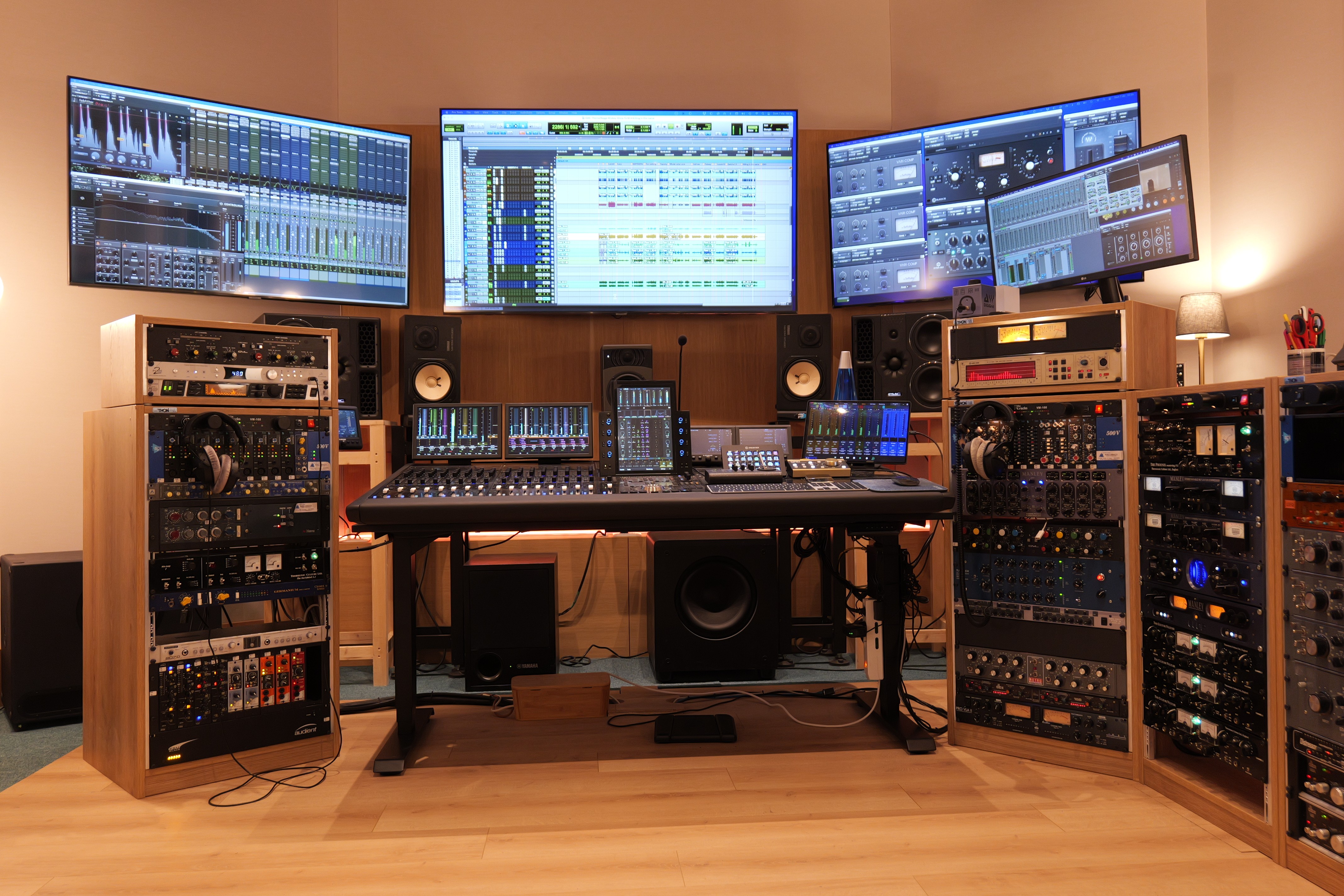
In his studio, the PMC monitors allow him to work with a complete system capable of extending well into the low frequencies and maintaining a precise response without having to rely excessively on the subwoofer. In an Atmos setup, this is a significant advantage because it allows for greater coherence between channels and better management of the soundstage.
One of the most interesting points that emerged from the interview concerns listening fatigue. Marco works many hours a day in the studio, and for him it is essential to have a system that remains clear even at low volumes.
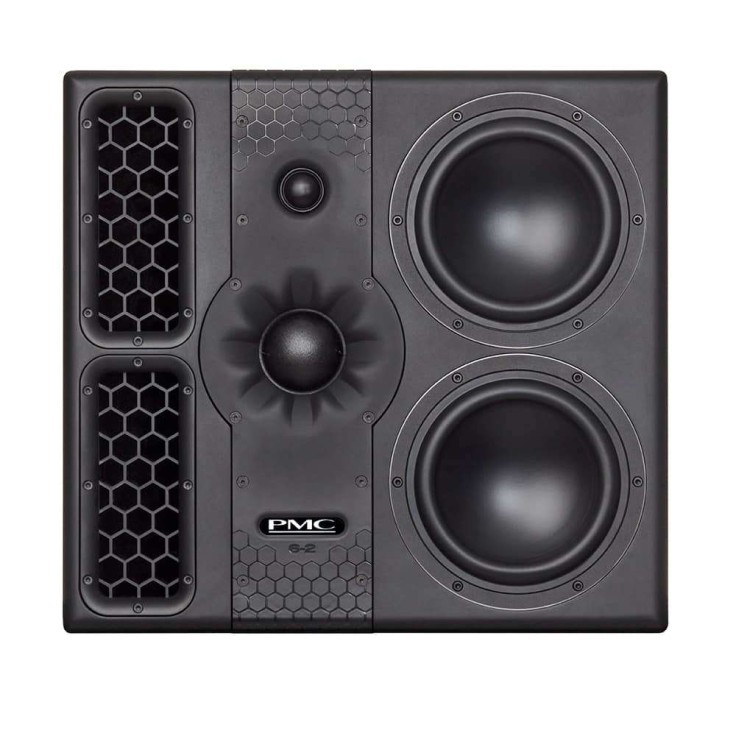
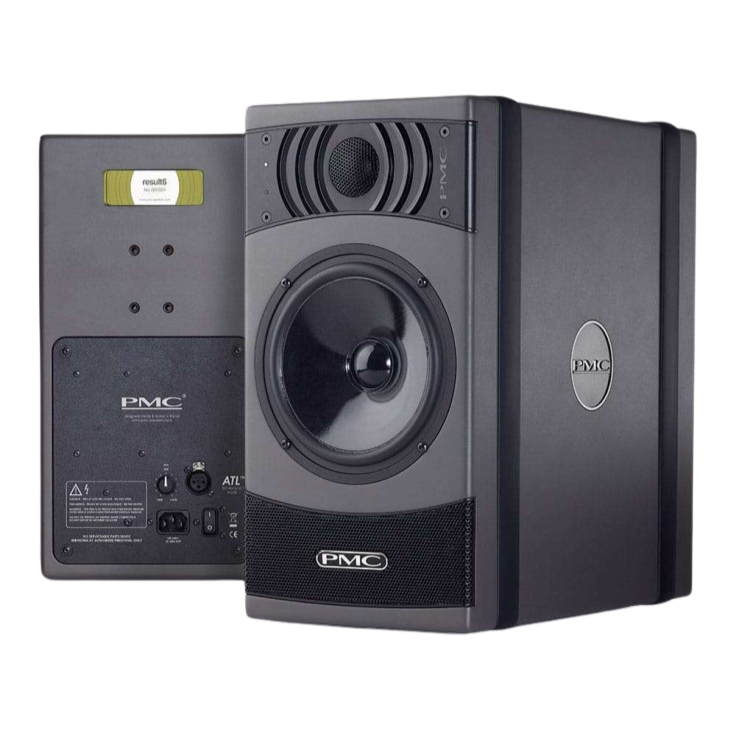
According to Marco, the PMC monitors allow him to work for long periods without feeling exhausted by listening by the end of the day. The sound remains consistent at both low and high volumes, a fundamental characteristic for those making mixing decisions for many consecutive hours.
“With PMC, I can even work at very low levels. I don’t feel fatigued, and the sound remains consistent whether at low or high volume.”
Marco distinguishes between two main situations: when he personally creates both the stereo mix and the Atmos version, and when he receives the stems from other mix engineers.
In the first case, he already knows the proportions, levels, reverbs, and creative intentions of the track, so he can move with greater freedom within the immersive space. In the second case, however, he works with constant A/B comparisons against the original stereo mix to respect the artistic choices that have already been approved.
“I don’t like to mess with things that took two days to mix. The Dolby Atmos mix must faithfully reproduce the stereo mix.”
This approach reflects a very practical view of Atmos: not merely a technological demonstration, but a creative tool that must respect the track, the artist, and the work already done in stereo.
After maintaining the right balance with the original mix, Marco also uses Atmos creatively. An effect that moves around the listener, a voice coming from an unexpected position, or a wider soundscape can highlight the immersive nature of the project.
The point is not to fill the space at all costs, but to use depth and movement to enhance the listener’s engagement.
During the interview, the state of the Atmos market in Italy is also discussed. Marco draws a parallel with the old 5.1 system, which never achieved truly widespread adoption because it required complex and expensive home setups.
Dolby Atmos, on the other hand, has different potential: it can be experienced in a professional theater, but also through headphones, on compatible soundbars, and via streaming platforms. This makes the format much more accessible than in the past.
Another important factor is the role of digital platforms, which are driving the immersive format forward in terms of both distribution and content visibility.
For those looking to build a professional Dolby Atmos system, Marco emphasizes the importance of relying on knowledgeable professionals and retailers with real-world experience. The choice of speakers, room, and configuration cannot be improvised.
An immersive system must be designed based on the space, the work objectives, and the required standards. Only then can it become a true professional tool and not just a spectacular setup.
Marco Borsatti’s new Dolby Atmos studio is a concrete example of how Italian excellence in professional audio can combine experience, acoustic design, technology, and musical sensitivity.
In this context, PMC is not simply a monitor brand, but a central work tool: a reference system chosen to ensure precision, reliability, consistency, and listening comfort in a professional immersive environment.
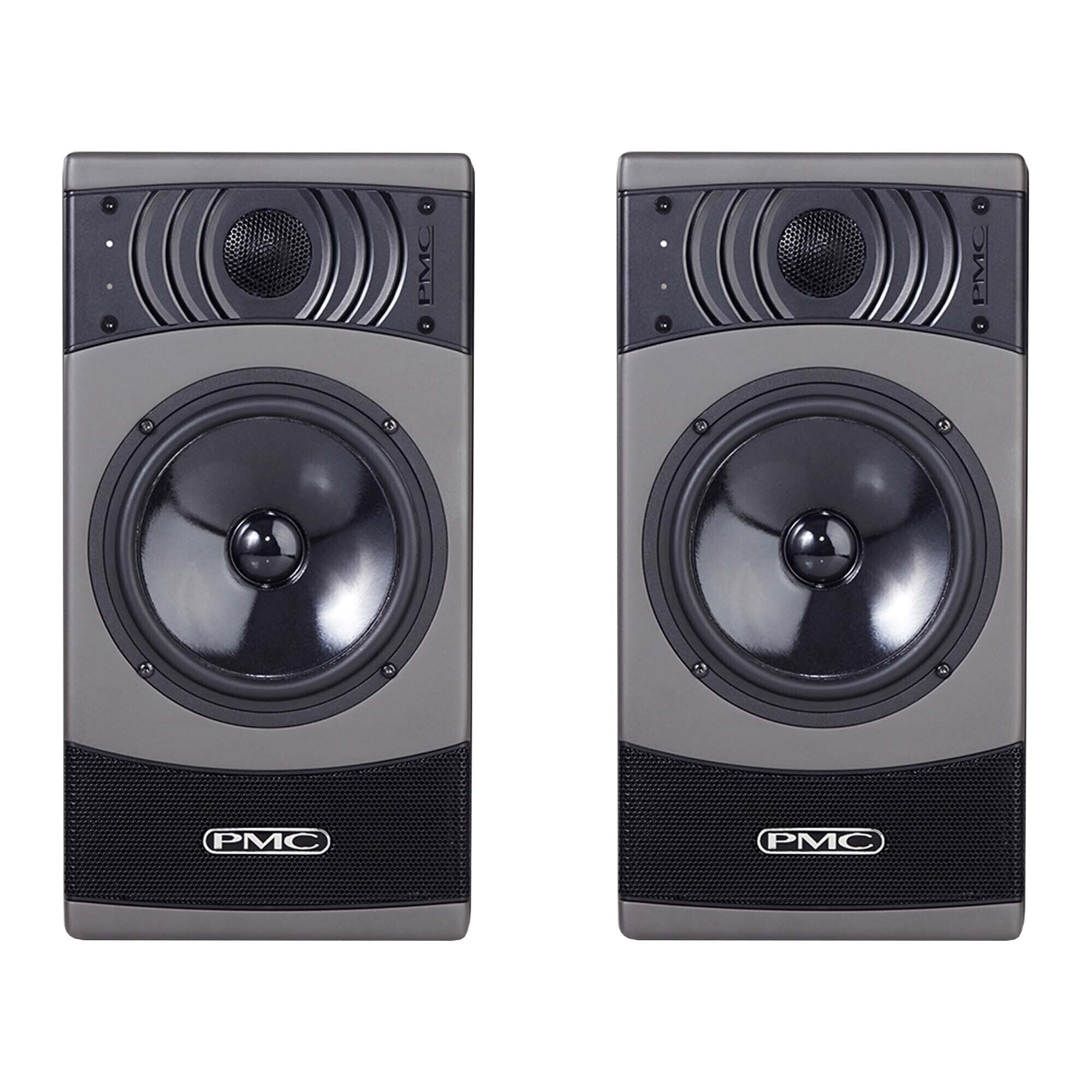
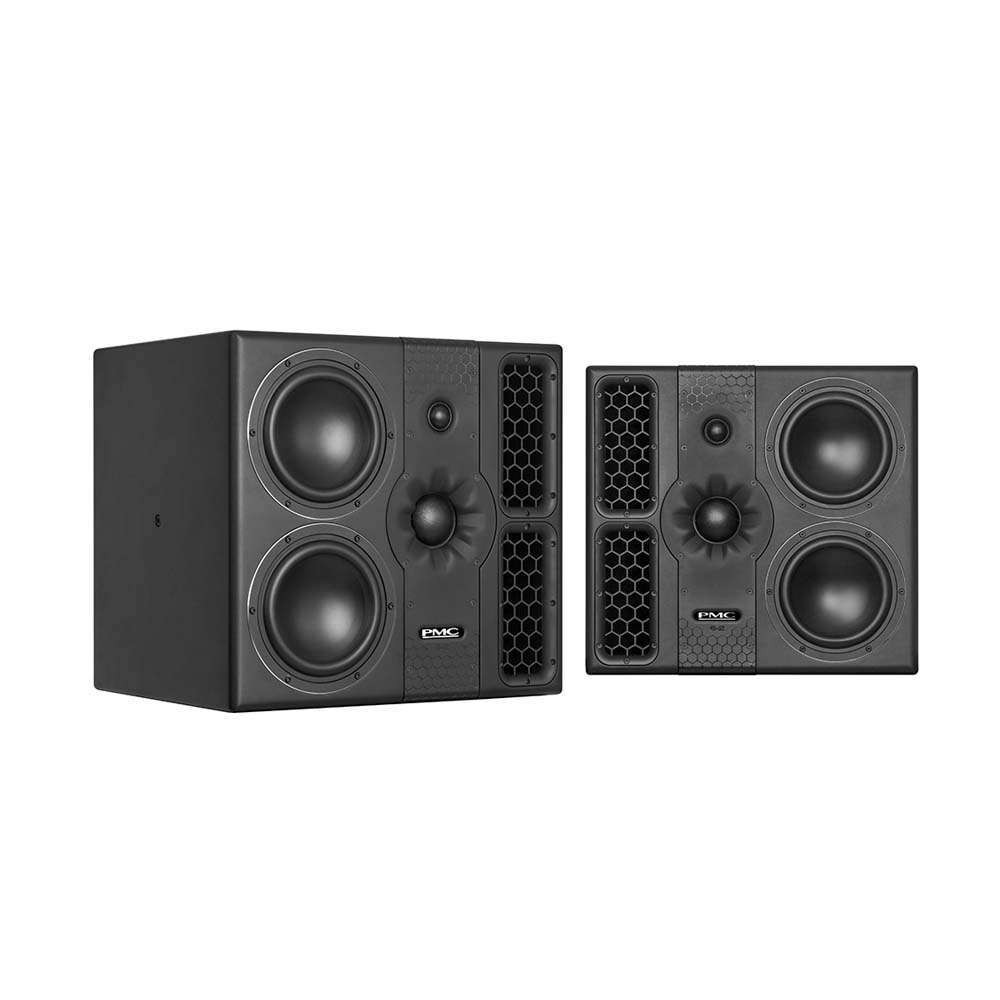
👉🏻 Discover the PMC 6-2: https://www.milkaudiostore.com/intl/shop/pmc-6-2/
👉🏻 Discover the PMC Resut6: https://www.milkaudiostore.com/intl/shop/pmc-result-6/
For those working today in music production, mixing, and sound design, immersive audio represents one of the most significant developments in the industry. And studios like Marco Borsatti’s demonstrate just how essential it is to tackle it with the right tools and expertise.
Related Products
€ 2.130,33 Ex VAT
 For European customers, select your country to view the correct price including VAT.


€ 9.467,21 Ex VAT
For European customers, select your country to view the correct price including VAT.
Join us today and get 5% off your next order!

Empty cart