
Events and News
Published on 21/04/2026


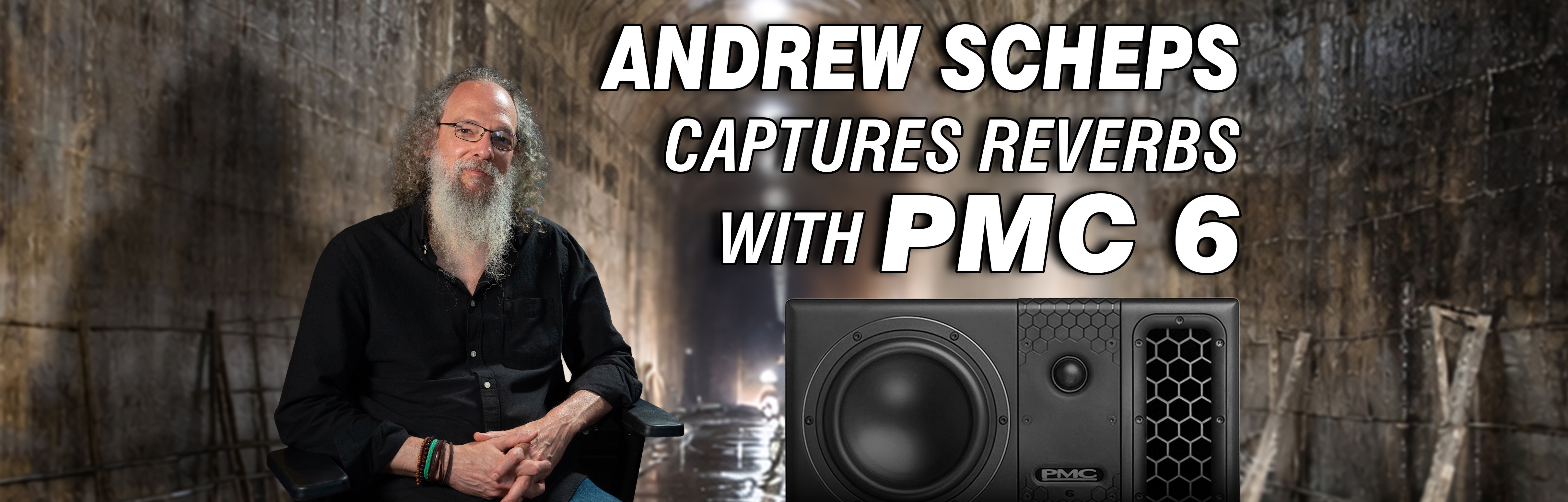

There are reverbs.
And then there are places that become reverb.
When it comes to pushing the concept of sonic space beyond all limits, it is impossible to ignore Inchindown Oil Tanks, in the Scottish Highlands: an environment so extreme that it holds the world record for the longest reverberation ever recorded in an artificial structure.
And that is exactly where Andrew Scheps decided to take his sound.
The Inchindown Tanks are not a studio, nor a concert hall. They are six huge military tanks built in 1938 for the Royal Navy, hidden under a hill near Inverness.
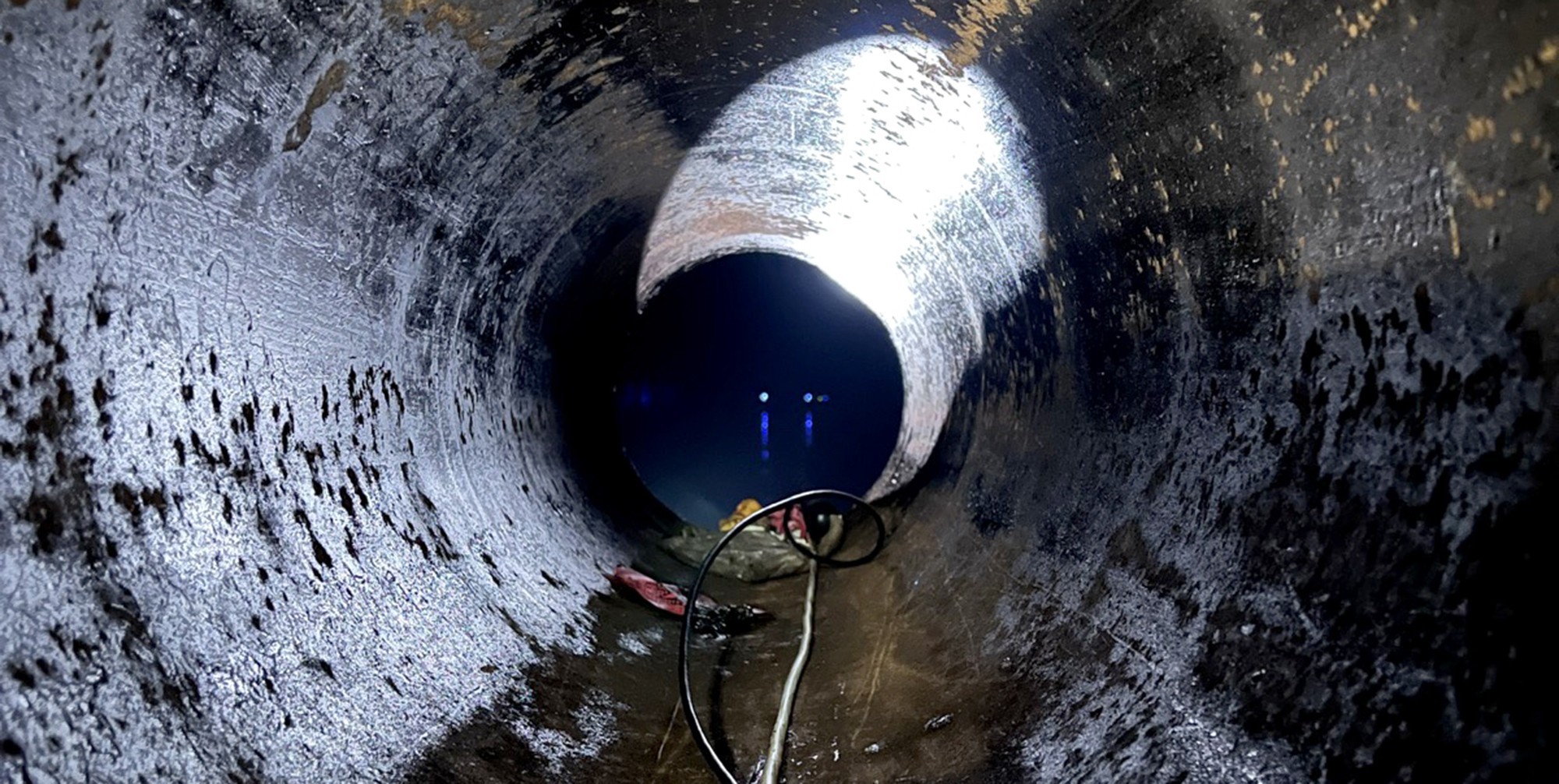
Numbers that throw off the sense of scale:
In 2012, Professor Trevor Cox recorded a 112-second impulse response here. For comparison? The previous record was 15 seconds.
Here we no longer speak of "reverberation." Here sound lives in space.
Forget any romantic notions.
To enter the tank:
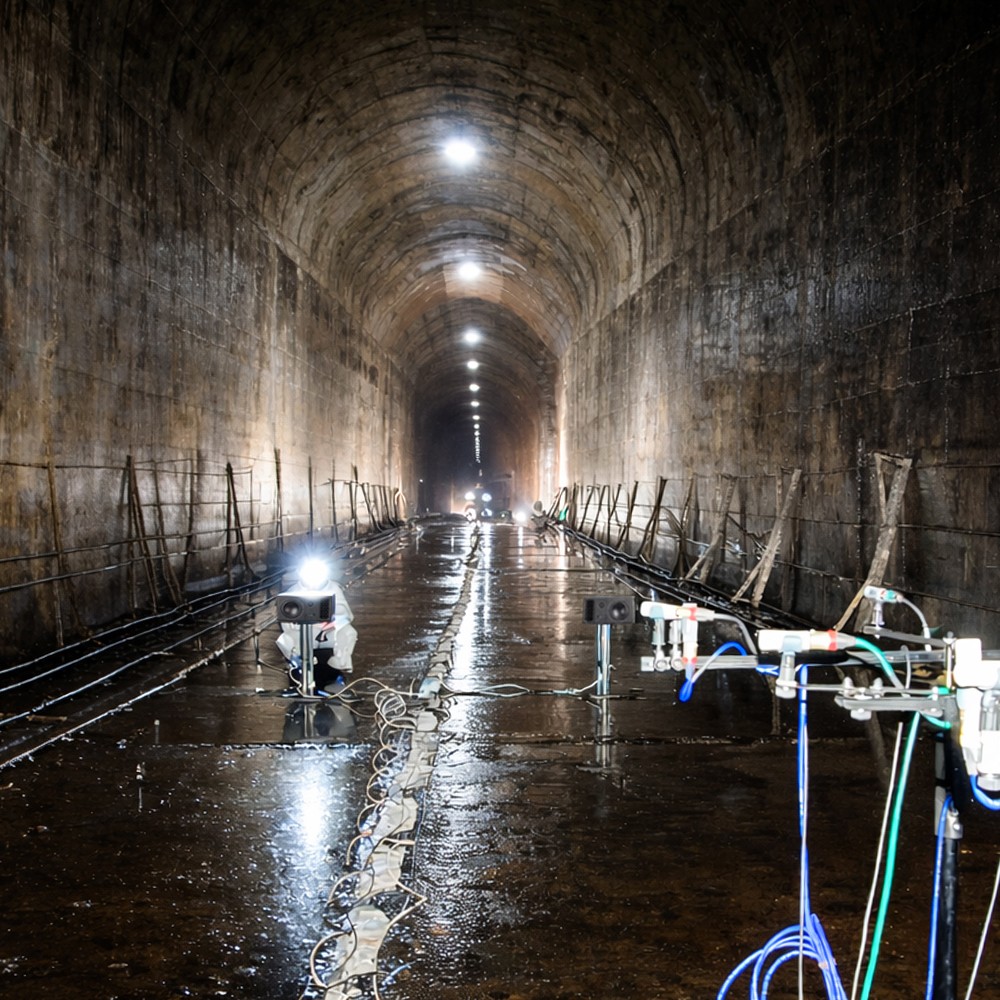
Inside?
Poor condition. Perfect acoustics.
The reason is simple: the oil sealed the imperfections in the concrete, creating almost completely smooth surfaces. Result: endless reflections and incredibly uniform.
Scheps did not get there to tour.
His setup was basic but surgical:
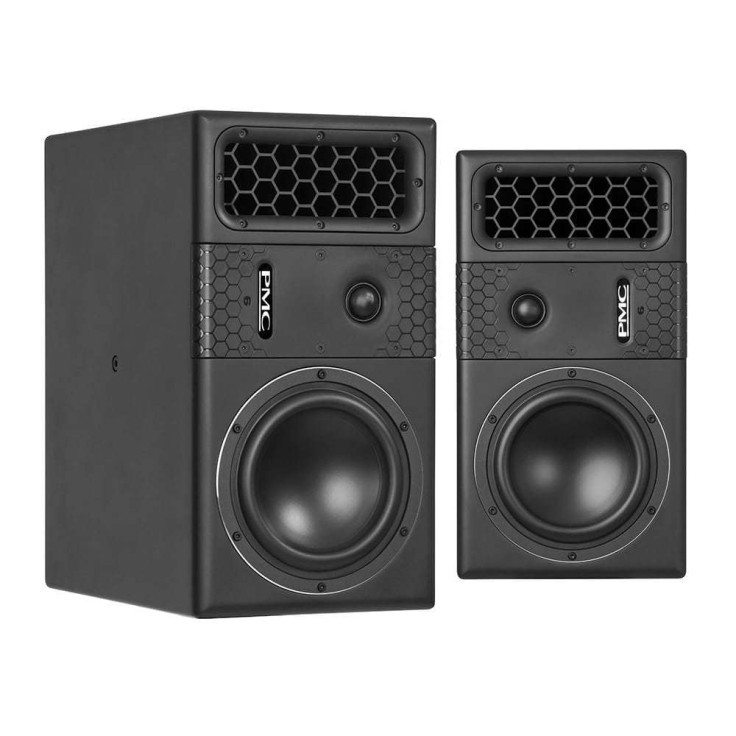
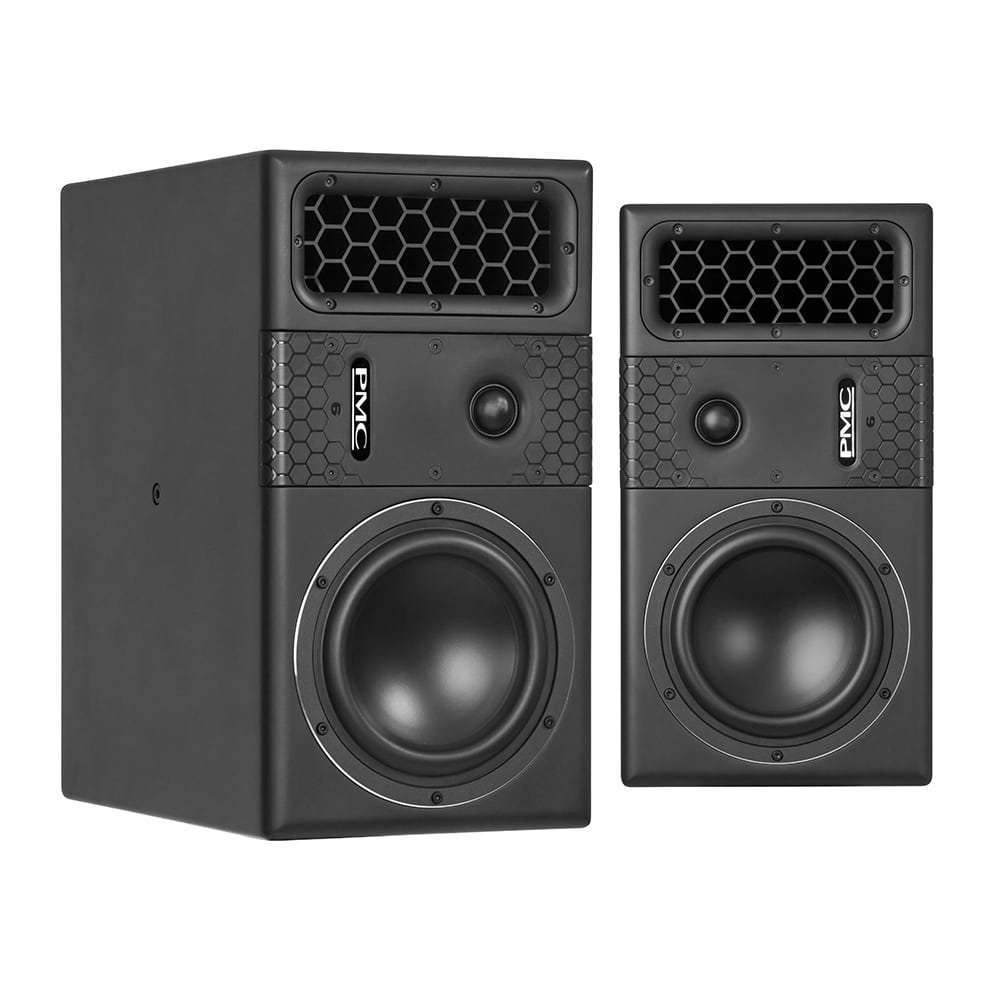
The choice of PMC6s is not random. Something was needed that was:
Scheps makes it clear: many small monitors simply couldn't do it.
The heart of the project? Re-amping.
Among the materials used was House in the Woods by Low Roar, released on Tonequake Records.
The process:
The result is not a simple effect. It is a physical transformation of sound.
In addition to the tracks, full impulse responses were also recorded, which are essential for those working with convolution and virtual environments.
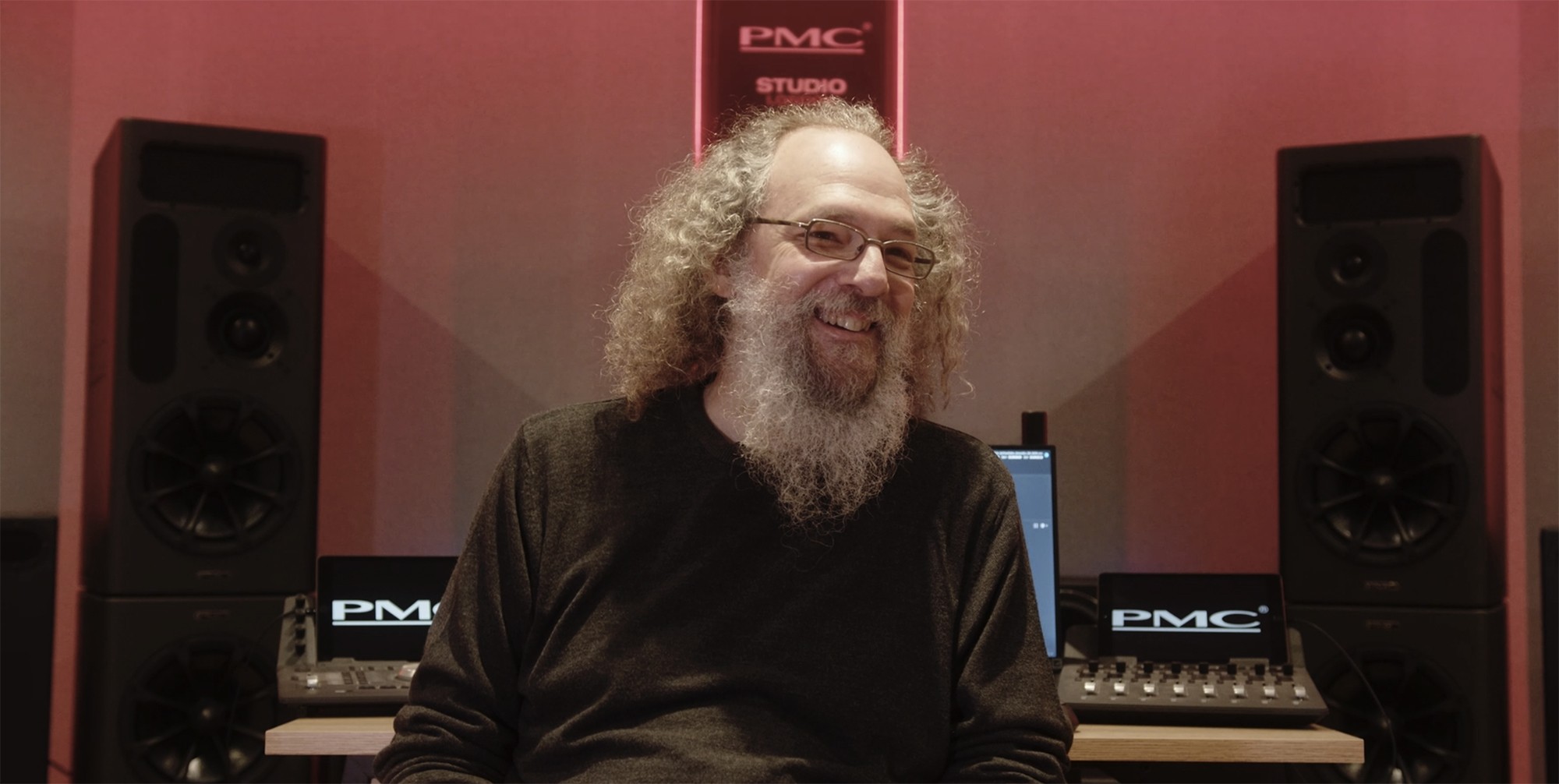
Scheps already works in full PMC in his studio, with an immersive 9.1.4 setup based on MB3 XBD-A and wafer2.
Bringing the PMC 6s inside such an environment was not just a matter of logistics, but of trust: he already knew their response, their balance, and how they would translate the material into such an extreme space.
And yes, there was also a real risk of ruining them in oil and mud.
Spoiler: they survived. Unlike hundreds of meters of cables, which ended up directly to be thrown away.
This was not an isolated experiment.
Scheps is considering turning it into a series of recordings in extreme spaces around the world.
Because in the end the question is always the same: How much can sound really affect a space?
Above all:
If you want something unique, you have to get out of the studio.
👉🏻 Discover the PMC Speakers range
Related Products
€ 5.245,08 Ex VAT
 For European customers, select your country to view the correct price including VAT.

Join us today and get 5% off your next order!

Empty cart